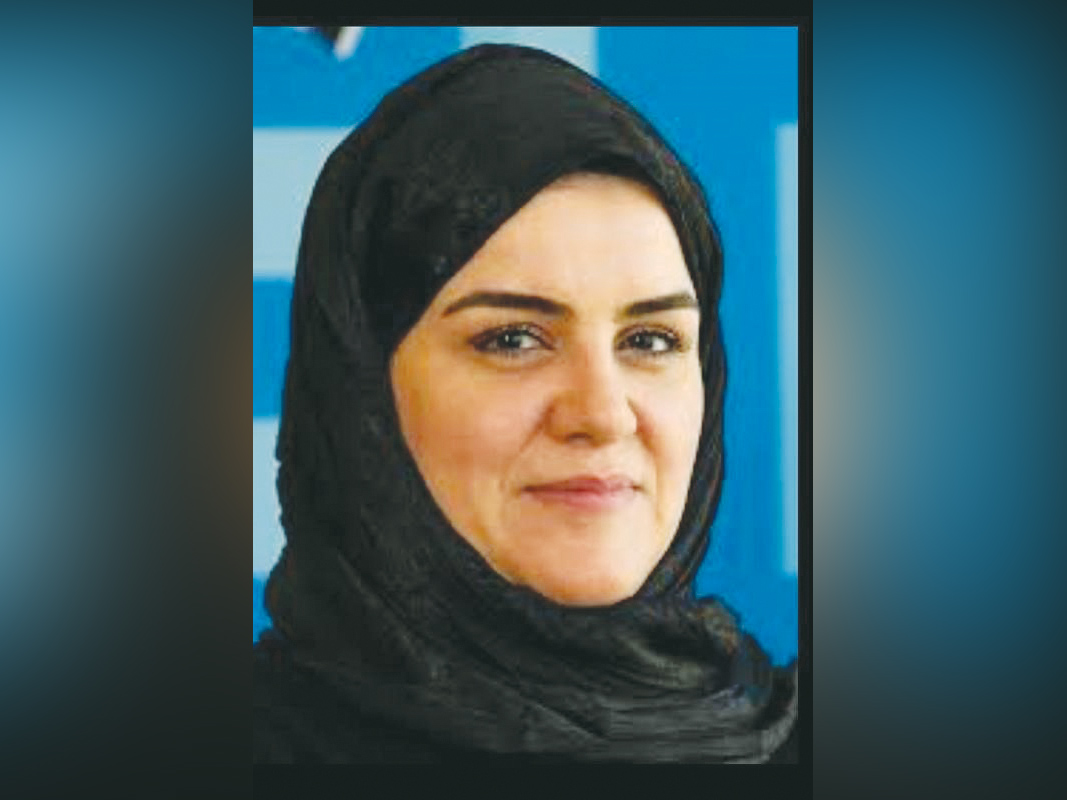
Dr. Sadriya Al Kohji
Doha: The Ministry of Public Health (MoPH) and the World Health Organization’s Regional Office for the Eastern Mediterranean organised a virtual workshop to introduce the Healthy City Programme and launch the Healthy City Network of Qatar.
The Healthy City network serves to mobilise different sectors and civil society at the national and local levels for health and wellbeing and provide all necessary technical assistance for briefing policy-makers about needs and evidence.
The Network members include stakeholders from various sectors, including primarily governmental entities but also non-governmental and private institutions.
The members are responsible for conducting needs assessments, setting priorities, planning, coordinating implementation, and undertaking monitoring and evaluation of different initiatives in the context of Healthy Cities Programme.
Together, the members work towards achieving one of the main aims of the National Health Strategy 2018-2022, which is to introduce an inter-sectoral approach to legislation and policy through ‘Health in All Policies’ and to achieve the WHO Healthy City Awarding by 2022.
This is in line with the Helsinki statement of June 2013 to adopt Health in All Policies as an approach to public policies across sectors that systematically takes into account the health implications of decisions, seeks synergies, and avoids harmful health impacts in order to improve population health and health equity.

Dr Roberto Bertollini
Senior Advisor to the Minister of Public Health and Deputy National Lead for Health in All Policies, Dr Roberto Bertollini indicated that Qatar is developing and has begun the implementation of a National Health in All policies strategy and plan of action with the goal of embracing the Healthy Cities approach, also in view of supporting readiness for the Qatar 2022 World Cup.
The “Healthy City for Children” symposium held in October 2019 laid the foundation for the development of an action plan for a healthy city for children in Qatar and focused on addressing childhood obesity in the urban environment. The Healthy City approach stems from the WHO Health for All strategy and the Ottawa Charter for Health Promotion. This holistic approach integrates multi-disciplinary action across sectors through community participation, partnership, empowerment, and equity.
As highlighted by the National Lead for Healthy Children and Adolescent and the Chair of the Healthy City Network, Dr. Sadriya Al Kohji, “The Healthy City Programme promotes community empowerment and enhances community participation. It helps also creating organisational structures for implementing public health programmes and fostering cross-sectoral synergies and collaborations. This network provides the platform for all key stakeholders to come together and build a healthier future for ourselves and our children”.
She added, “The goal of the Healthy Cities for children is to strengthen availability of and access to public health services and contribute to healthy urban environments where children thrive.” The Healthy City Programme was launched by the WHO Eastern Mediterranean Regional Office in 1990 and the Regional Health City Network has been established in 2012, which currently has 98 cities from 15 Member States.