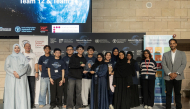
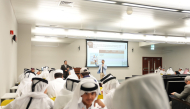
Doha, Qatar: Qatar University (QU) has launched Masar by QU, a smart mobility app designed to make journeys to and around campus easier and more efficient.
Its launch makes QU the first university in Qatar to introduce a dedicated smart mobility app, using technology and real-time data to help its community navigate the campus.
Masar uses AI-powered cameras and sensors to provide real-time information on traffic conditions, campus gates, and parking availability, helping users plan their journeys and choose the most suitable routes. It also provides congestion alerts and information on university bus routes and schedules.
With around 200,000 cars entering campus each week, the Masar app is the latest step in QU’s wider approach to creating a smarter, more connected and sustainable campus. By bringing together transport services, infrastructure and technology, QU is making it easier for its community to move around campus while encouraging shared transport and reducing unnecessary journeys.
QU’s Vice President of Administration and Financial Affairs, Dr. Mai Al-Naemi, said, “Masar reflects our approach to enhancing the student experience through the application of knowledge and technology. The app supports the goals of Qatar National Vision 2030 to harness technology and innovation to improve quality of life and advance sustainable development.
“At QU, this means creating a campus where smart solutions make everyday life easier for those who study, work and visit, while helping us make better use of our resources and infrastructure.”
Associate Vice President for Operations Support and Associate Professor in the Department of Civil and Environmental Engineering, Dr. Mohammed Elshafie, said, “Our approach to improving campus mobility is based on understanding the needs of the university community and daily travel patterns. Students played an important role in testing and developing Masar to respond to those needs.”