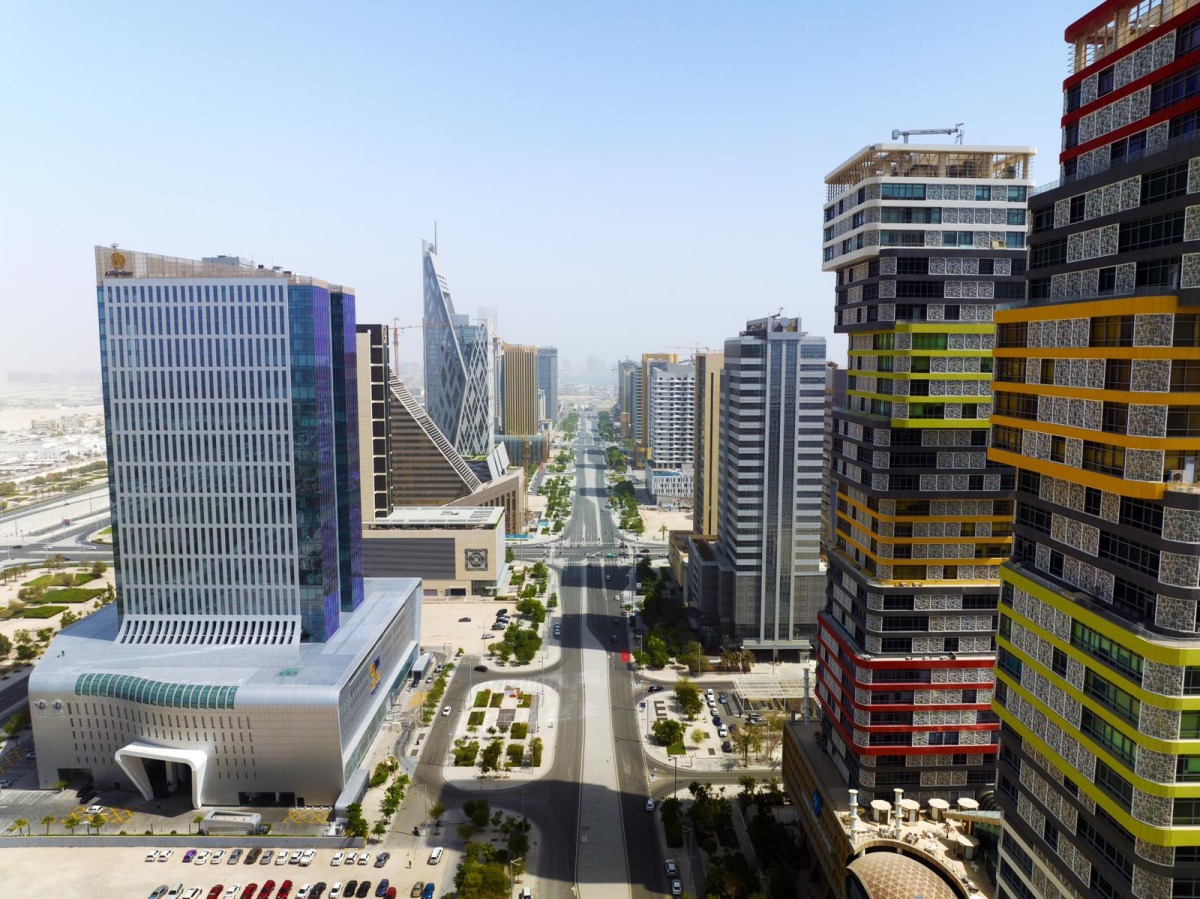
File photo of Lusail skyline
Doha, Qatar: Qatar is advancing a range of sustainable urban development initiatives, from smart city solutions and AI-powered building permits to expanding green spaces and waste management projects, as it seeks to enhance quality of life and build healthier, more liveable cities.
Marking World Cities Day on October 31, the Ministry of Municipality highlighted the country’s achievements in sustainable urban development, reaffirming its commitment to developing well-balanced cities that improve the efficiency of public facilities and services while supporting comprehensive development in line with the Qatar National Vision 2030.
Qatar has achieved international recognition for its efforts to promote healthier urban environments, becoming the first country in the world to have all its cities designated as ‘Healthy Cities’ by the World Health Organization (WHO).
Qatari cities are also active participants in the Unesco Global Network of Learning Cities, reflecting the country’s efforts to promote knowledge, education and sustainable development at the urban level.
The Ministry said the implementation of Qatar’s comprehensive urban plan is fully aligned with the Qatar National Vision 2030, with a focus on developing sustainable cities and achieving balanced development across the country.
Several pioneering initiatives are also being implemented to support these objectives. They include the initiative to plant 10 million trees to enhance biodiversity, the introduction of smart city solutions and a waste-sorting-at-source project aimed at contributing to the national ‘Qatar Zero Waste’ goal.
The ministry has also launched a project to introduce artificial intelligence-powered building permits, reflecting efforts to harness advanced technologies to improve municipal services and streamline procedures.
Expanding green spaces and making urban environments more people-friendly remain central to Qatar’s development plans. The country’s green areas have increased tenfold since 2010, alongside continued efforts to establish more parks, recreational facilities and landscaped spaces for residents.
Among the country’s notable public amenities is the world’s longest air-conditioned walking and running track, located at Rawdat Al Hamama Park. The facility reflects efforts to encourage outdoor activities and promote healthier lifestyles, particularly during warmer months.
The Ministry also highlighted its commitment to making parks and public facilities more accessible by addressing the needs of people with disabilities, ensuring that public spaces cater to different segments of society.
Through these initiatives, Qatar is seeking to combine environmental sustainability, technological innovation and inclusive urban planning to create cities that offer a higher quality of life while supporting the country’s long-term development ambitions.
World Cities Day, observed annually on October 31, marks the conclusion of Urban October, an initiative that raises awareness of urbanisation and sustainable city development. First celebrated in 2014, the occasion seeks to highlight global urbanisation trends and challenges, encourage international cooperation and promote efforts to build inclusive, prosperous and sustainable cities that offer better living environments and quality of life.
This year’s World Cities Day is being observed under the theme “Regenerating the City: Adequate Housing for All”, with the global observance taking place in Fuzhou, China. The theme highlights the importance of urban regeneration in expanding access to adequate housing and creating more inclusive and climate-resilient neighbourhoods.
The focus comes amid growing global challenges, including housing affordability, ageing infrastructure, underutilised urban land, climate-related risks and widening social inequalities. Urban regeneration is increasingly viewed as an opportunity to address these issues through integrated planning that connects housing with improved public spaces, infrastructure, connectivity and environmental resilience.
The 2026 theme also emphasises the importance of community participation in urban development, ensuring that regeneration projects benefit existing residents while promoting inclusive neighbourhoods and preventing displacement. It calls for coordinated efforts by governments, international organisations, the private sector and communities to develop practical solutions for the cities of the future.