DOHA: The Qatar technology market is valued at $1.2bn, based on a five-year historical analysis from 2025 to 2030, according to a recent report by Ken Research.
Analysts emphasise that this growth is primarily driven by the rapid digital transformation across various sectors, increased internet penetration, and the rising demand for data-driven marketing solutions, which was witnessed throughout this year.
Meanwhile, companies are increasingly adopting advanced marketing technologies to enhance customer engagement and optimise their marketing strategies.
Experts state that last year, the country has solidified its position as a vibrant hub for technology and innovation by hosting a series of high-profile events that have attracted global industry leaders, investors, and policymakers.
Global events such as Web Summit Qatar and WSJ Tech Live convened thousands of delegates to discuss frontier technologies, including artificial intelligence, cloud computing, and digital governance, offering local startups exposure to global capital and facilitating partnerships that experts say are crucial to economic diversification efforts.
Economists say these gatherings have had measurable economic ripple effects, giving Qatar’s tech ecosystem a platform to showcase its strengths while drawing foreign investment into the country.
Government initiatives have complemented these events with strategic policy frameworks aimed at boosting the tech sector’s contribution to the economy.
“Tech-driven growth is increasingly becoming a core part of Qatar’s economic narrative, contributing to GDP by not only creating new revenue streams but also enhancing efficiencies in traditional sectors,” said Farooq Abdul, a regional tech economist, noting that digital industries are helping stabilise growth beyond hydrocarbons.
Officials from the Ministry of Communications and Information Technology have outlined frameworks targeting an increase in the digital economy’s GDP contribution by more than QR40bn by the decade-end while creating thousands of new ICT jobs, underscoring the state’s commitment to a knowledge-based economic model.
Industry leaders also highlighted that investments in digital infrastructure and connectivity have been central to this transformation.
“Qatar now boasts among the world’s highest mobile internet speeds and near-universal coverage, forming a foundation for innovation in areas from e-government services to smart city applications”, Abdul said.
Strategic partnerships with global technology firms have bolstered efforts to integrate advanced capabilities such as machine learning and cybersecurity into public and private sector operations, further enhancing economic productivity and competitiveness.
Local tech champions and emerging startups have similarly benefitted from the lively event calendar. “Participation in global summits has enabled Qatari innovators to secure mentorship, funding, and market access, while sectoral growth has supported job creation and stimulated ancillary industries such as digital services, fintech, and creative technology,” Abdul said.
“These synergies are widely credited with reinforcing Qatar’s broader economic diversification goals under the Qatar National Vision 2030.”
Industry analysts also highlighted that Qatar’s “deliberate focus” on digital transformation is opening new avenues for international collaboration and investment.
The expert further said that “Events like the World Summit AI Qatar have not only spotlighted Doha as a regional hub for artificial intelligence but also strengthened ties with multinational corporations seeking entry points into the Middle East’s burgeoning tech markets.”
As the year comes to a close, the momentum of the technology sector appears poised to continue into the coming years, with government support, global engagement, and private sector dynamism contributing to a more diversified and resilient economy.
With digital transformation now firmly embedded in national planning and economic strategy, Qatar’s tech achievements this year are widely seen as a foundation for long-term GDP growth and sustainable development.
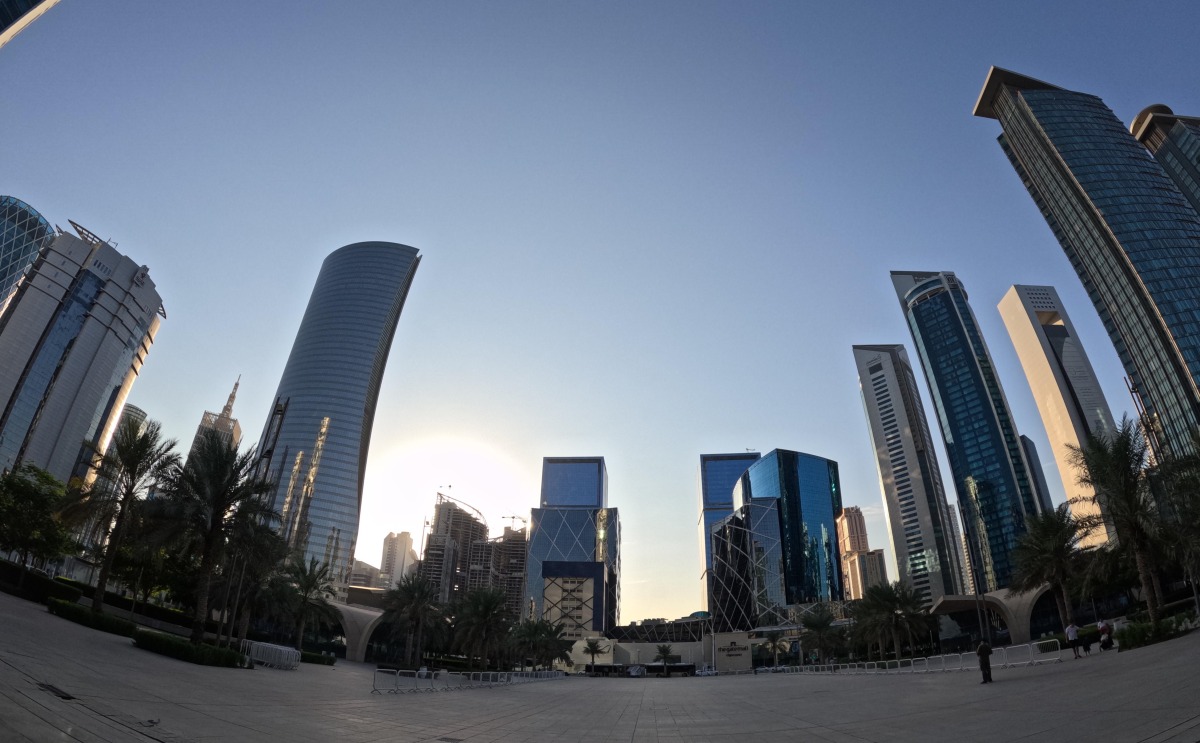
The report added that Doha leads the Qatar marketing technology market, reflecting its role as the nation’s capital and main economic centre. Al Rayyan and Al Wakrah are gaining prominence as their commercial activity expands and investments in technology continue to grow.