Doha, Qatar: As Qatar continues building a knowledge-based economy, investment in digital infrastructure, advanced connectivity and emerging technologies such as artificial intelligence (AI), 5G and smart infrastructure is creating new opportunities for innovation, growth and digital transformation. These investments are helping shape new opportunities across industries and support the country’s broader digital transformation ambitions.
However, the success of digital transformation is not determined just by the technologies that are deployed. Its long-term impact depends on the people who can understand, apply and innovate with these technologies in ways that create meaningful value for businesses and communities.
As industries continue to evolve, developing the skills and capabilities needed to translate technological advancement into real-world solutions is becoming increasingly important. Beyond technical knowledge, students will need opportunities to collaborate across disciplines, solve complex challenges and gain exposure to the industries they will help shape.
Creating these opportunities requires collaboration between academia and industry. By working together, organisations can help bridge the gap between education and workforce needs, ensuring that students are not only equipped with knowledge, but also with the experience and perspective needed to contribute to future economic.
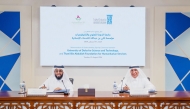
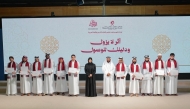
A recent example of this approach is Vodafone Qatar’s Infrastructure Intelligence Hackathon, organised in partnership with the University of Doha for Science and Technology (UDST). Bringing together students, academics and industry professionals, the initiative provided participants with the opportunity to explore emerging technologies, develop innovative solutions and apply their knowledge to real-world challenges. The initiative also created an environment where ideas could be tested, collaboration encouraged and practical learning reinforced through direct engagement with industry.