DOHA: The “effective implementation” of mandatory ‘G Mark’ quality certification for lighting products in Qatar and other GCC markets is expected to give a major boost to the demand of smart lighting solutions, says an industry expert.
After the implementation of ‘G Mark’ quality certification for appliances using electricity, the Gulf Cooperation Council (GCC) member countries are working to expand soon the certification standard for lighting products such as bulbs and other power saving lighting devices to restrict the sales of energy inefficient products in the region.
The ‘G Mark’ certification system will help achieve the similar objectives like the ‘CE’ and ‘UL’ serving in Europe and America, respectively.
“The governments in the region, despite being rich in fossil fuels, are promoting energy efficient technologies and renewable sources of energy in a big way as part of their commitments towards climate change agreements.
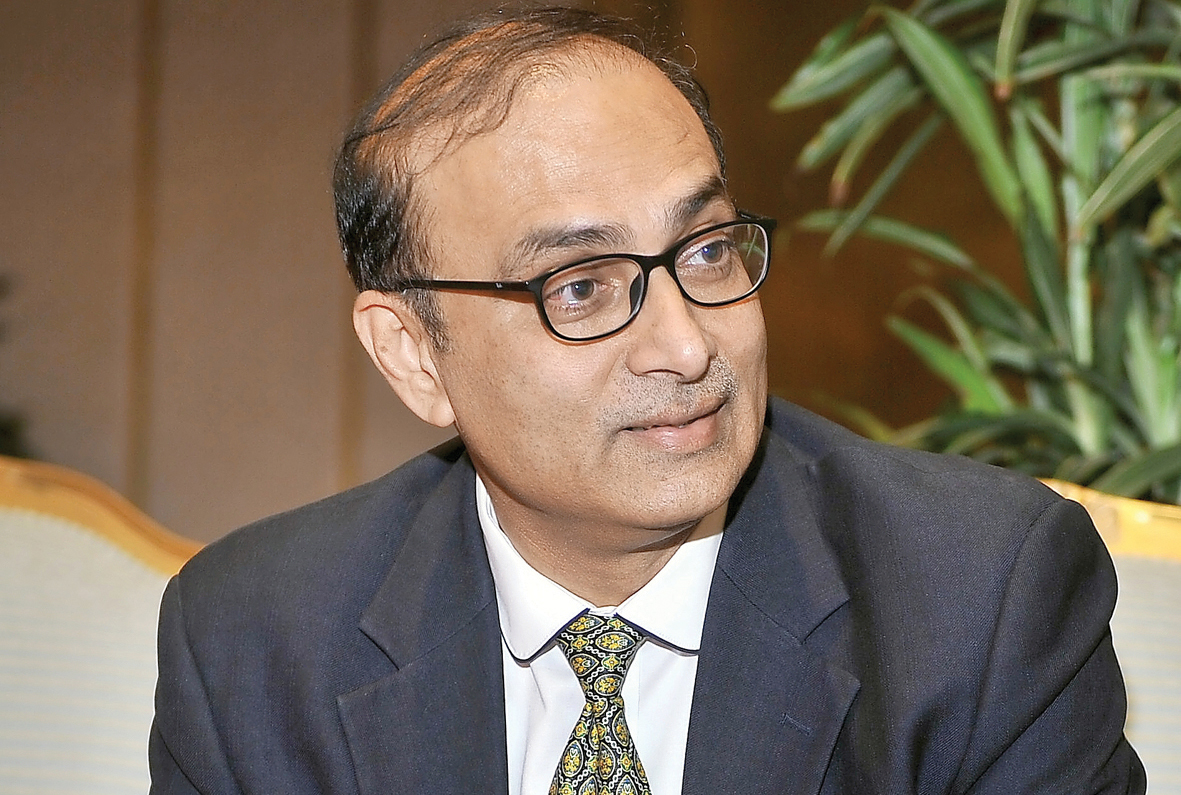
The GCC states are implementing ‘G Mark’ certification system which will restrict the entry of energy inefficient products coming from mushrooming companies,” Manish Sharma (pictured), CEO at Maximus, a UK-based energy saving lighting solutions provider, told The Peninsula.
“Once fully implemented, only ‘G Mark’ approved products and appliances will be allowed by custom authorities to enter the GCC markets. This will not only be safeguarding the consumer rights but also help conserve energy significantly,” he added. Manish, an industry expert, who was here to participate at an international event on green technology, said that concerned authorities such as Qatar’s General Organization for Standards and Metrology; Emirates Authority for Standardization and Metrology (ESMA) and Saudi Standards, Metrology and Quality Organization (SASO) are working in close cooperation with the GCC Standardization Organization (GSO) in this regard.
He said the use of energy efficient lighting solutions and smart technologies can save up to 90 percent of energy by switching from GLS (General Lamps Sources) and Halogen lamps to LED and CFL. Due to growing environmental concerns, more than 50 percent of GSL lamps have been converted into energy saving lamps such as CFL and LED system.
He stressed that even CFL lamps (which are itself energy efficient), if replaced with LED, consumers can further save up to 33 percent on energy bills.
“By choosing smart lighting solutions, more than 50 percent of world electrical loads for lighting can be brought down which will have positive impact both on demand and supply side… Governments are taking initiatives by enforcing companies to bring quality parameters and promoting the construction of green buildings, but more should be done to accelerate the pace,” said Manish.
Energy saving lighting solutions are relatively expensive in terms of cost but experts suggest that it should be seen as an investment for consumers as they will be able to recover the cost within 6-8 months.
Thereafter it is like opening a saving account for the entire life of LED lighting system, which can be up to 25,000 hours depending on manufacturers.
Of the total generated electricity, some 17 percent is consumed for lighting. And out of this nearly 20 percent is used for outdoor lighting such as street lamps and flood lamps. If sensors are used to dim lights, when no one is around, a lot of additional energy savings can be achieved.
“Outdoor lighting including street lighting and flood lighting contribute a healthy two digit in the total lighting load. So there is a great amount of saving potential possible when countries infrastructure moves from HID lighting to LED lighting system,” he said.