Doha, Qatar: The World Bank Group’s growing presence in Doha is expected to deepen cooperation with Qatar, facilitate overseas investment by Qatari companies and mobilise innovative financing for development in emerging and fragile markets, said an official.
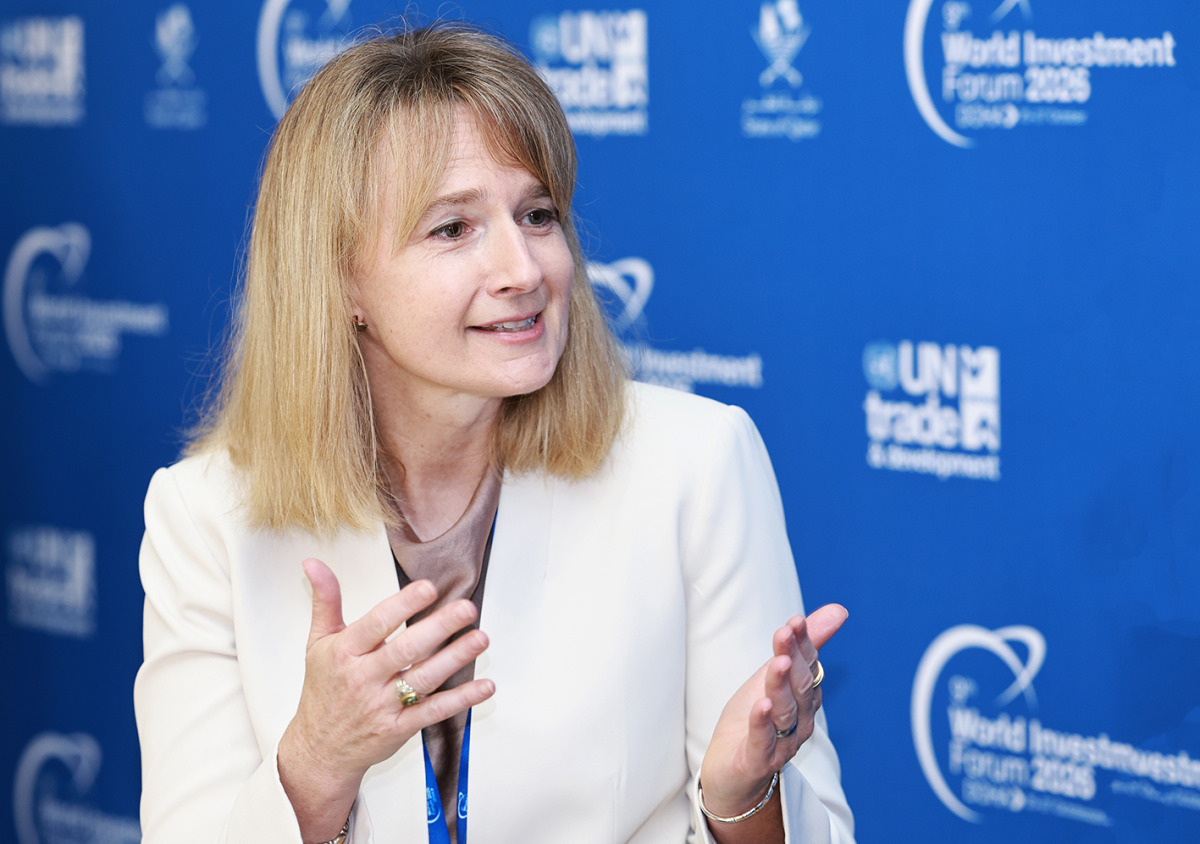
In an interview with The Peninsula, Country Manager for Qatar at the World Bank Group, Holly W Benner, noted that the establishment of the Group’s office in the Qatari capital marks a significant shift in its engagement with the country, bringing its expertise and financing capabilities closer to local public and private sector partners.
“Having the World Bank Group on the ground in Doha changes the relationship,” she said at the recently-hosted World Investment Forum in Doha.
It brings us closer to our Qatari partners and lets us respond faster to public and private sector clients alike,” Benner said, expressing appreciation to the Qatar Fund for Development and the Ministry of Finance for hosting the office.
Benner highlighted that the Doha office operates as a fully integrated World Bank Group platform, bringing together the World Bank, the International Finance Corporation (IFC) and the Multilateral Investment Guarantee Agency (MIGA).
She outlined two central objectives, such as supporting Qatar’s domestic development ambitions, particularly the goals of Qatar National Vision 2030, and facilitating international investment by Qatari institutions and businesses in emerging markets.
“As Qatari firms expand abroad, their experience and investments overseas help strengthen the economy at home,” Benner said, describing the potential for a “double win” through domestic growth, diversification and job creation alongside development impact internationally.
She also pointed to opportunities to combine Qatar’s diplomatic and mediation capabilities with innovative development finance to support recovery and reconstruction in challenging contexts, including Syria, Lebanon and Afghanistan.
Benner said Qatar’s investment capacity, established business groups and expanding international networks could play a significant role in mobilising private financing for development across emerging markets.
She noted that national champions and family-owned businesses have developed considerable regional and international capabilities, positioning them to expand into new markets and sectors.
The World Bank Group is already working with Qatari companies on such opportunities as the official cited the partnership with QNB in Türkiye, which supported the country’s first blue bond and expanded financing for small and medium-sized enterprises (SMEs) and climate-related projects.
She described the initiative as an example of how international partnerships can enable Qatari companies to access new markets while supporting economic development in host countries.
Benner stressed that the World Bank Group could support investors throughout the investment cycle, from advisory services and financing to risk mitigation through guarantees and other instruments.
In partnership with the Qatar Fund for Development, the Group is also developing a framework to leverage innovative public and private sector financing. The approach involves using public resources strategically to absorb part of the investment risk, encouraging private investors to enter markets they might otherwise consider too risky.
“Our office in Doha can serve as a gateway for Qatari capital to reach the world, and we bring our convening power and technical expertise to support it,” she said.
Benner further added that private investment could complement Qatar’s diplomatic engagement in challenging markets, helping translate peace and stability efforts into sustainable economic opportunities.