Doha: Qatar University’s Social and Economic Survey Research Institute (SESRI) hosted the 2014 World Values Survey (WVS) Global Conference and Annual General Assembly Meeting on April 28 and 29, to mark the official release of data sets for the WVS sixth wave of surveys (2010-2014) in which the Institute contributed data for Qatar.
The surveys cover nearly 60 countries and are the biggest wave in WVS’ history. Qatar is the second member of the Gulf Cooperation Council (GCC), after Saudi Arabia, to be participating in this global survey project.
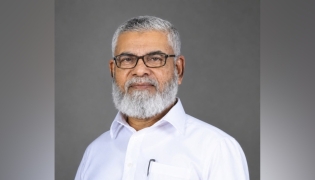
The conference and general assembly drew 45 researchers from 40 countries in Africa, Asia, Europe, and the Middle East, and from Australia and New Zealand. Remarks were delivered in the opening ceremony by QU President Professor Sheikha Abdulla Al Misnad, SESRI Director and lead PI for Qatar Dr Darwish Alemadi, and WVS Association President and the Conference Chair Dr Christian Haerpfer.
“Understanding current societal changes was now more important than ever,” said Professor Al Misnad adding that the last wave of surveys included the highest-ever participation from Arab countries.
“Studies such as those conducted by the WVS are important for students and researchers in particular, and the Gulf region in general,” she said.
Dr Alemadi reflected on the inherent appreciation for good values among people, irrespective of ethnic background or social standing, and on the importance of gauging how those values evolve over time.
“It is important to think of it as serving two layers of people: everyday citizens in their local environment and academic researchers around the world. For ordinary people, the findings from our survey raise awareness about our identity as Qatari people – who we are, how we think, and how we perceive matters around us,” said Dr Alemadi. “They provide insight into how our culture and identity are shaped, as well as help us monitor how and to what extent these values change over time. For researchers, there is an immediate impact because the findings from the survey make it possible for them to directly benefit from a rich pool of data,” he added.
Dr Haerpfer said that the official release of the data sets meant that country-driven facts are now readily accessible to students, academic and researchers from Alaska to New Zealand.
Conference proceedings included a general assembly session, a workshop on WVS survey methodology and quality control, presentations and discussions by lead PIs on survey findings, as well as several committee meetings. Also featured was the inauguration of the WVS website and the vote on the new constitution.
The Peninsula