DOHA: The vote in favour of Brexit has created a new headache for the global economy, but countries in the Middle East and North Africa (Mena) region, including Qatar, are expected to remain insulated from the Brexit-induced turmoil, provided it does not turn into a global crisis.
And the Qatar economy, despite having the largest export exposure to the UK in the region, will not be affected much given the fact its exports to the UK account for only 1.6 percent of Qatar’s GDP, QNB noted in its economic commentary yesterday.
“Overall, the British exit from the EU is likely to be a slow and protracted process, dominating headlines for months to come. Our baseline view is that the risks are likely to be contained in the UK and, to some extent, the Euro Area. But contagion to the rest of the world through trade and, especially, financial market linkages could pose a real risk in the future,” said the commentary.
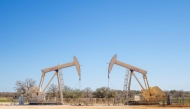
After the referendum results went in favour of the ‘Leave’ camp, the British PM announced to step down, the pound fell 10.3 percent to its lowest level since 1985 and global stock markets dropped sharply as investors rushed to safe havens. The credit rating of the UK has been downgraded¬ by the three major rating agencies. Brexit is likely to have major implications on the UK economy and, to a lesser extent, the economies of the neighbouring Euro Area. Whether it triggers an outright global crisis remains to be seen. The Mena region will probably be insulated, provided that the crisis remains localised and does not spill over to the rest of the world leading to a significant negative impact on oil prices.
Brexit is likely to prove damaging for the UK in the short term with analysts expecting zero or slightly negative growth in the second half of 2016 and early 2017, down from the 1.9 percent expected by the IMF in April. Heightened uncertainty is the main culprit. There is uncertainty about the likelihood and the timing of the initiation of the exit process. There is uncertainty about political succession in the UK, both in the government and the opposition. Such uncertainty is likely to lead to businesses delaying their investment decisions and consumers behaving more cautiously, leading to slower growth.
On the policy side, the Bank of England faces a major dilemma. On the one hand, the worsening of the growth outlook should lead to lower interest rates in order to stimulate the economy. But lowering rates now would likely result in further depreciation of the pound, stoking future inflation.
The Euro Area is also likely to be affected by the Brexit shock, with most analysts expecting growth to fall by around 0.5 percent to 1.0 percent in 2016. This is mainly due to the uncertainty shock, which affects the Euro Area to a lesser extent than the UK. The region is also likely to be negatively impacted by the slowdown in the UK as it results in lower demand for exports.
On the global level, Brexit has triggered major risk-off sentiment and resulted in capital flight out of emerging markets (EMs) into safe havens. Analysts around the world are revising down their forecasts, with Brexit likely to shave off around 0.2 percent from global growth to reach 2.8 percent. If Brexit triggers a full-fledged global crisis (still not our baseline, but a material risk nonetheless), then demand for oil could be negatively impacted with adverse effects for oil prices.
While the prospects of a global economic crisis are uncertain, what is less uncertain is the expected large liquidity injections by the world’s major central banks, including the Bank of England, the European Central Bank and the Bank of Japan.
The Peninsula
DOHA: The vote in favour of Brexit has created a new headache for the global economy, but countries in the Middle East and North Africa (Mena) region, including Qatar, are expected to remain insulated from the Brexit-induced turmoil, provided it does not turn into a global crisis.
And the Qatar economy, despite having the largest export exposure to the UK in the region, will not be affected much given the fact its exports to the UK account for only 1.6 percent of Qatar’s GDP, QNB noted in its economic commentary yesterday.
“Overall, the British exit from the EU is likely to be a slow and protracted process, dominating headlines for months to come. Our baseline view is that the risks are likely to be contained in the UK and, to some extent, the Euro Area. But contagion to the rest of the world through trade and, especially, financial market linkages could pose a real risk in the future,” said the commentary.
After the referendum results went in favour of the ‘Leave’ camp, the British PM announced to step down, the pound fell 10.3 percent to its lowest level since 1985 and global stock markets dropped sharply as investors rushed to safe havens. The credit rating of the UK has been downgraded¬ by the three major rating agencies. Brexit is likely to have major implications on the UK economy and, to a lesser extent, the economies of the neighbouring Euro Area. Whether it triggers an outright global crisis remains to be seen. The Mena region will probably be insulated, provided that the crisis remains localised and does not spill over to the rest of the world leading to a significant negative impact on oil prices.
Brexit is likely to prove damaging for the UK in the short term with analysts expecting zero or slightly negative growth in the second half of 2016 and early 2017, down from the 1.9 percent expected by the IMF in April. Heightened uncertainty is the main culprit. There is uncertainty about the likelihood and the timing of the initiation of the exit process. There is uncertainty about political succession in the UK, both in the government and the opposition. Such uncertainty is likely to lead to businesses delaying their investment decisions and consumers behaving more cautiously, leading to slower growth.
On the policy side, the Bank of England faces a major dilemma. On the one hand, the worsening of the growth outlook should lead to lower interest rates in order to stimulate the economy. But lowering rates now would likely result in further depreciation of the pound, stoking future inflation.
The Euro Area is also likely to be affected by the Brexit shock, with most analysts expecting growth to fall by around 0.5 percent to 1.0 percent in 2016. This is mainly due to the uncertainty shock, which affects the Euro Area to a lesser extent than the UK. The region is also likely to be negatively impacted by the slowdown in the UK as it results in lower demand for exports.
On the global level, Brexit has triggered major risk-off sentiment and resulted in capital flight out of emerging markets (EMs) into safe havens. Analysts around the world are revising down their forecasts, with Brexit likely to shave off around 0.2 percent from global growth to reach 2.8 percent. If Brexit triggers a full-fledged global crisis (still not our baseline, but a material risk nonetheless), then demand for oil could be negatively impacted with adverse effects for oil prices.
While the prospects of a global economic crisis are uncertain, what is less uncertain is the expected large liquidity injections by the world’s major central banks, including the Bank of England, the European Central Bank and the Bank of Japan.
The Peninsula