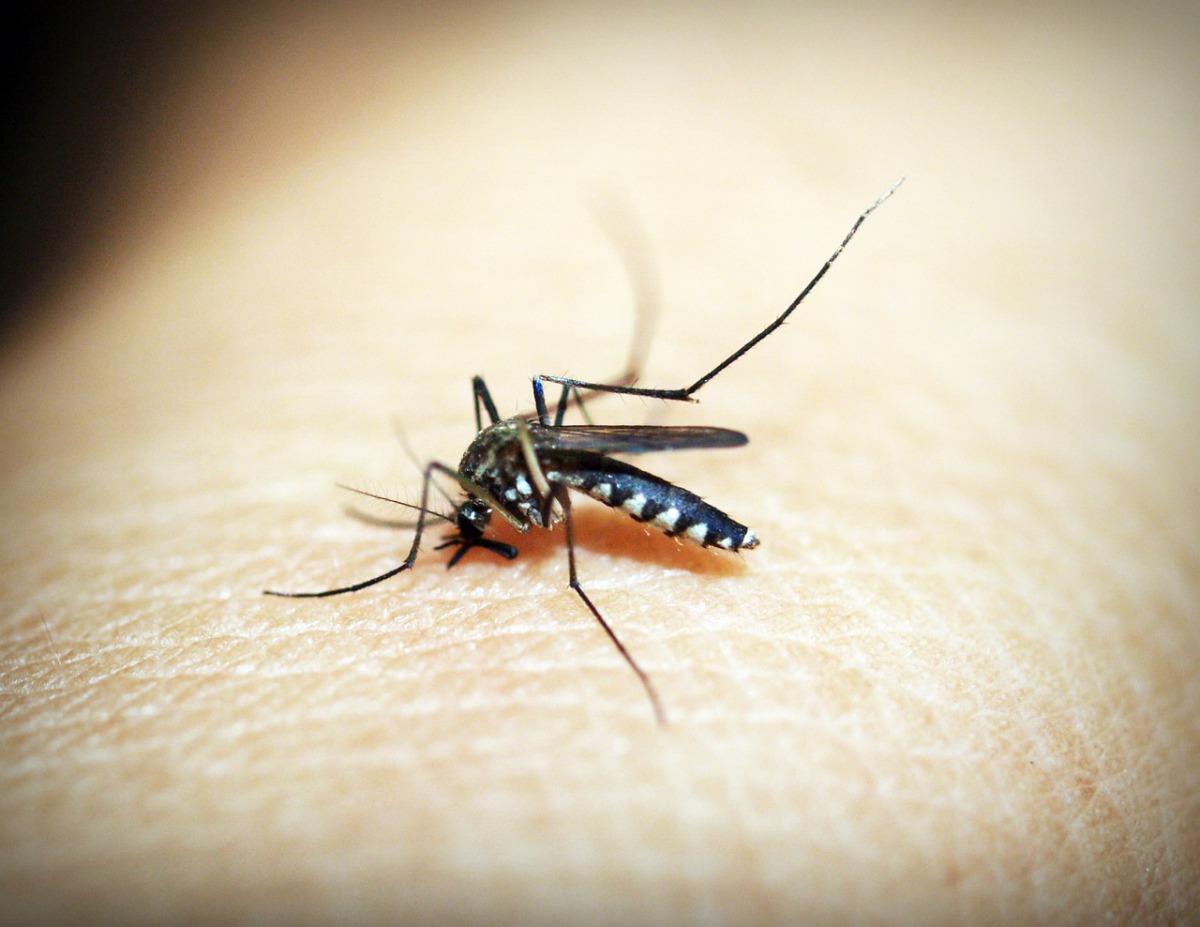
Representational file photo.
Windhoek: Namibia has recorded more than 122,000 confirmed malaria cases and 122 deaths since the beginning of this year, Health and Social Services Minister Esperance Luvindao said Wednesday.
Speaking at the launch of the country's 2026 Indoor Residual Spraying campaign in Divundu in the northeastern Kavango East Region, Luvindao said 122,612 confirmed cases and 9,956 hospital admissions had been recorded nationwide.
She noted that 81 percent of the infections were locally transmitted, while the remaining 19 percent were classified as imported cases.
"Malaria remains stubbornly endemic in 10 out of the 14 regions of our country," Luvindao said, identifying Zambezi, Kavango East, Kavango West, Ohangwena, Omusati, Oshana, Kunene, Oshikoto, Omaheke and Otjozondjupa as affected regions.
The minister said the spraying campaign was launched amid a heightened malaria outbreak that had prompted the government to adjust its prevention and elimination strategy.
A recent external review of Namibia's National Malaria Program Strategy found that the country's malaria diagnosis and case-management protocols remained strong, but efforts to control mosquitoes that transmit the disease had fallen behind, she said.
The review was conducted with the participation of the RBM Partnership to End Malaria, the African Leaders Malaria Alliance and the World Health Organization (WHO).
In response, Namibia will adopt a phased elimination approach based on the intensity of transmission in different areas, according to Luvindao.
The ministry is also finalizing quality-assurance guidelines and strengthening the role of community health workers in malaria testing and treatment.
To reduce imported infections, Namibia plans to formalize cross-border surveillance, data sharing and joint response measures with neighboring Angola, Zambia and Botswana, Luvindao said. The ministry has described it as a key malaria prevention measure but said low household participation has weakened its effectiveness.
Earlier ministry figures cited by the Namibian Broadcasting Corporation showed that only about 40 percent of targeted households were reached during the previous campaign, compared with the WHO-recommended target of 85 percent.