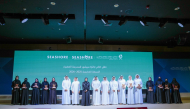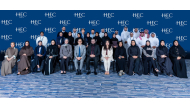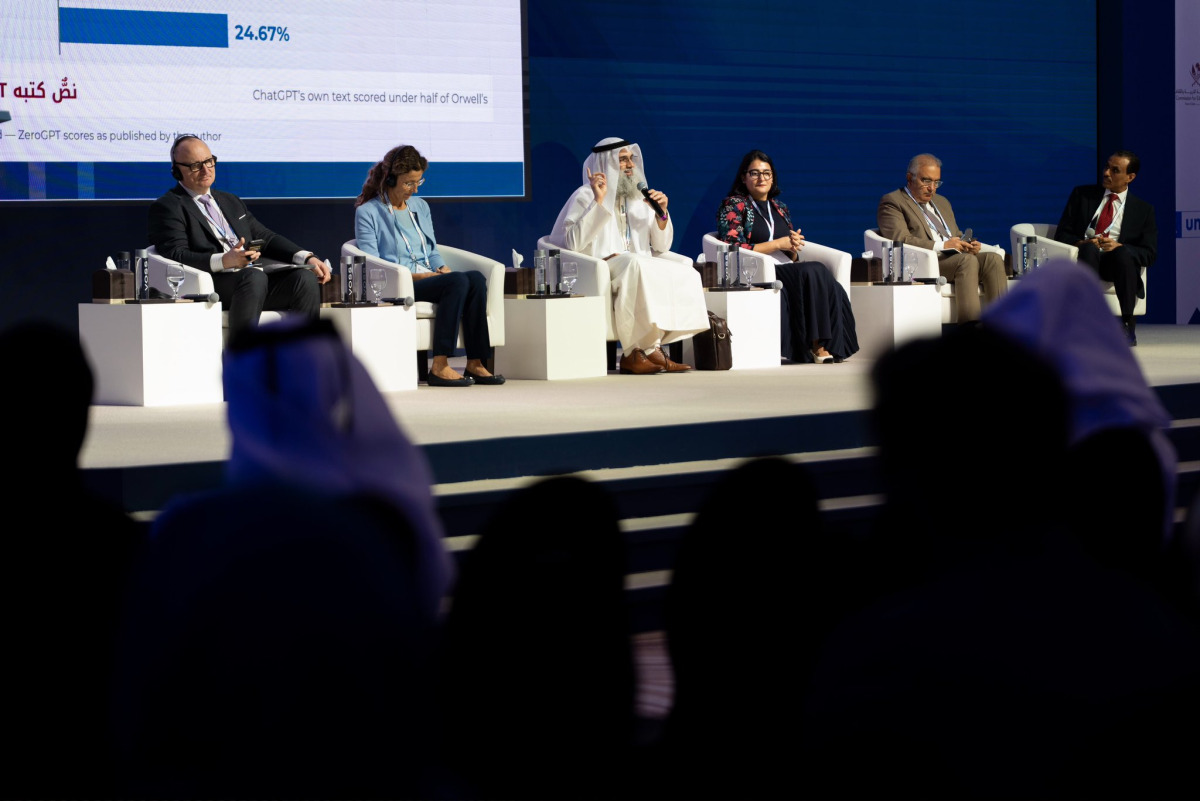
Panellists at a session during the conference.
Doha, Qatar: The fifth Unesco Conference on Higher Education in the Arab States has recommended strengthening regional and international cooperation to establish a common higher education space in the Arab region, developing a reliable system for the recognition of academic qualifications, and promoting the responsible use of artificial intelligence (AI).
The recommendations also called for enhancing the resilience of students and support systems in responding to crises, strengthening scientific research, and empowering faculty members and researchers to address the evolving needs of higher education.
The two-day conference, which concluded in Doha yesterday, emphasised the importance of continued dialogue and cooperation among stakeholders to develop higher education systems across the Arab region and make them more inclusive, resilient and responsive to future challenges.
Organised by the Ministry of Education and Higher Education and the Qatar National Commission for Education, Culture and Science, in collaboration with Unesco, the conference was held in Doha, on November 2 and 3 under the theme ‘The New Learning Landscape in Higher Education in Arab States’. The second day featured four specialised sessions addressing the relationship between higher education and scientific research, digital transformation and AI, student wellbeing and resilience, and the future labour market. The discussions highlighted the importance of evidence-based policies and data systems in expanding access to higher education, strengthening research partnerships and supporting innovation and sustainable development.
A dedicated session on digital transformation and AI examined their responsible application in teaching, learning, scientific research and institutional governance. Speakers also highlighted the need to address ethical considerations, strengthen digital competencies, ensure quality and promote inclusion.
Another session focused on the health, wellbeing and resilience of university students, discussing the role of higher education institutions in providing supportive environments that enable students to cope with academic pressures and crises while maintaining a balance between their personal and academic lives.
The experience of sustaining education during emergencies, particularly in Palestine, was also highlighted, reinforcing the importance of protecting education as a fundamental human right. The fourth session explored the future labour market, graduate employability, entrepreneurship and innovation, as well as the role of technical and vocational education and training in preparing graduates for emerging industries and digital transformation. It also addressed Unesco’s 1997 Recommendation concerning the Status of Higher-Education Teaching Personnel and the ongoing process of its revision, with discussions focusing on improving academic working environments and supporting faculty development.
More than 400 participants from 19 countries attended the conference, including university presidents, academics, researchers, policymakers and representatives of regional and international organisations.
Over the two days, discussions also addressed ensuring continuity of education in conflict-affected areas, safeguarding the Arabic language and strengthening its position in the knowledge system, alongside the opportunities and challenges created by expanding access to higher education, digitalisation and AI.
Participants stressed that education must remain a fundamental human right and should never become a target of conflict, emphasising that the value of international commitments should be measured by their tangible impact on people’s lives and communities.