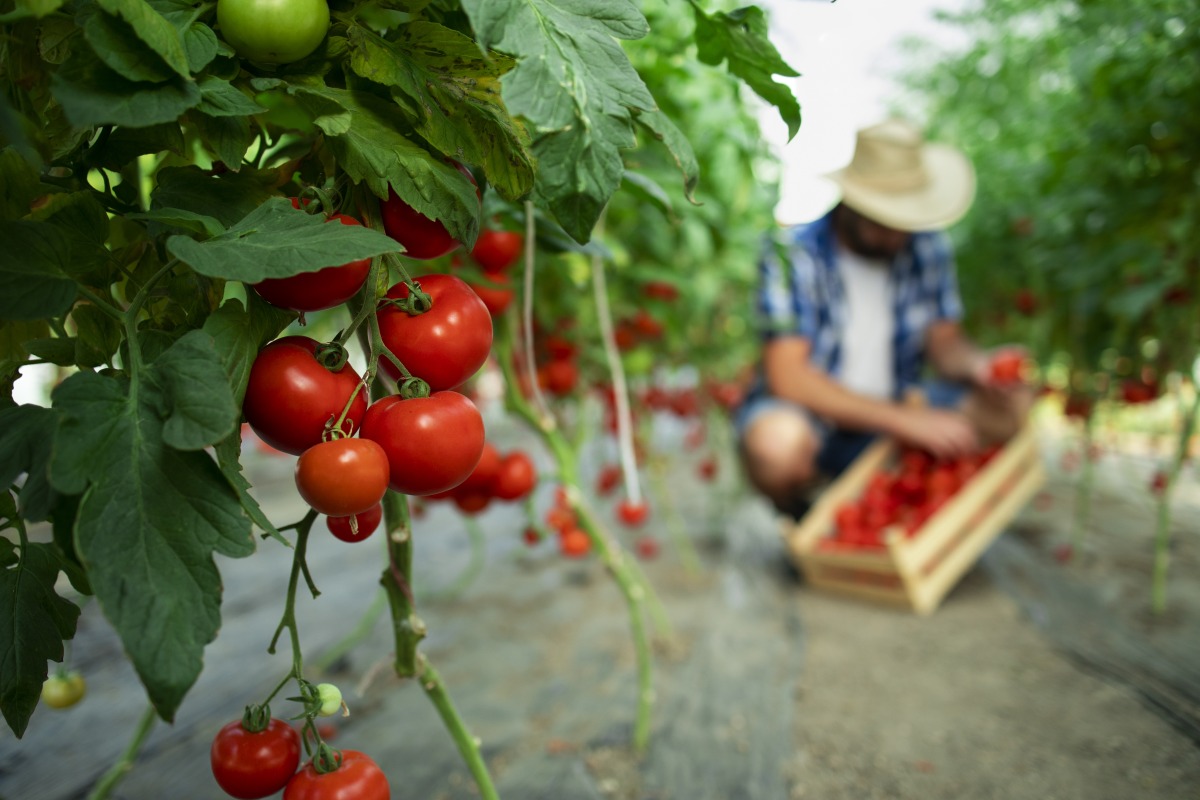
File photo for representational purposes only.
Rome: The United Nations Food and Agriculture Organization (FAO) warned Wednesday that the world is bracing for a new wave of food price surges due to the fallout from the wars in Ukraine and the Middle East, in addition to climate change.
Maximo Torero, the organization's chief economist, said the world is on the cusp of another bout of food price inflation because the wars in Iran and Ukraine, along with the El Nino phenomenon, are creating conditions for higher costs and lower crop yields.
He anticipated that commodity prices would start increasing further now and food prices would rise by the end of this year, with further increases next year.
He described the outlook as disquieting, cautioning that the combination of conflicts, supply disruptions and climate-related shocks reflects a worrisome pattern threatening global food security.
Torero further explained that the transmission of the impact from commodities to final food prices will take between three and six months, stressing the impact of the closure of the Strait of Hormuz on all agricultural commodity inputs and agricultural systems, because Brent crude is used for pumping, packaging, processing and transportation, while natural gas is used in fertilizer production.
He also noted that the damage inflicted by Ukraine on Russia's oil and gas infrastructure has curtailed the export market for diesel and natural gas, both of which are key inputs in food production.
Compounding this is the expectation that this year's El Nino weather phenomenon will be especially strong, dramatically shifting rainfall patterns, which will likely affect commodity prices and push tens of millions into acute food insecurity, Torero continued.
Torero added that food prices were a key driver of the global inflation surge in 2022, but they have remained relatively stable so far this year, even tempering in some places the surge caused by higher energy costs.
However, Torero remarked, this calm is likely to be temporary due to worrisome developments such as higher crude oil prices, the shortage of fertilizer from the Gulf region, diesel shortages in some parts of the world and adverse weather conditions, which are feeding through to costs and will show up in consumer prices, even if with a delay.