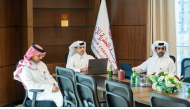
The event brought together 110 participants in 11 teams for four days of intensive collaborative sessions, in collaboration with the United Nations Office of Information and Communications Technology and the FAO
Published: 05 Oct 2026 - 10:09 am | Last Updated: 05 Oct 2026 - 10:17 am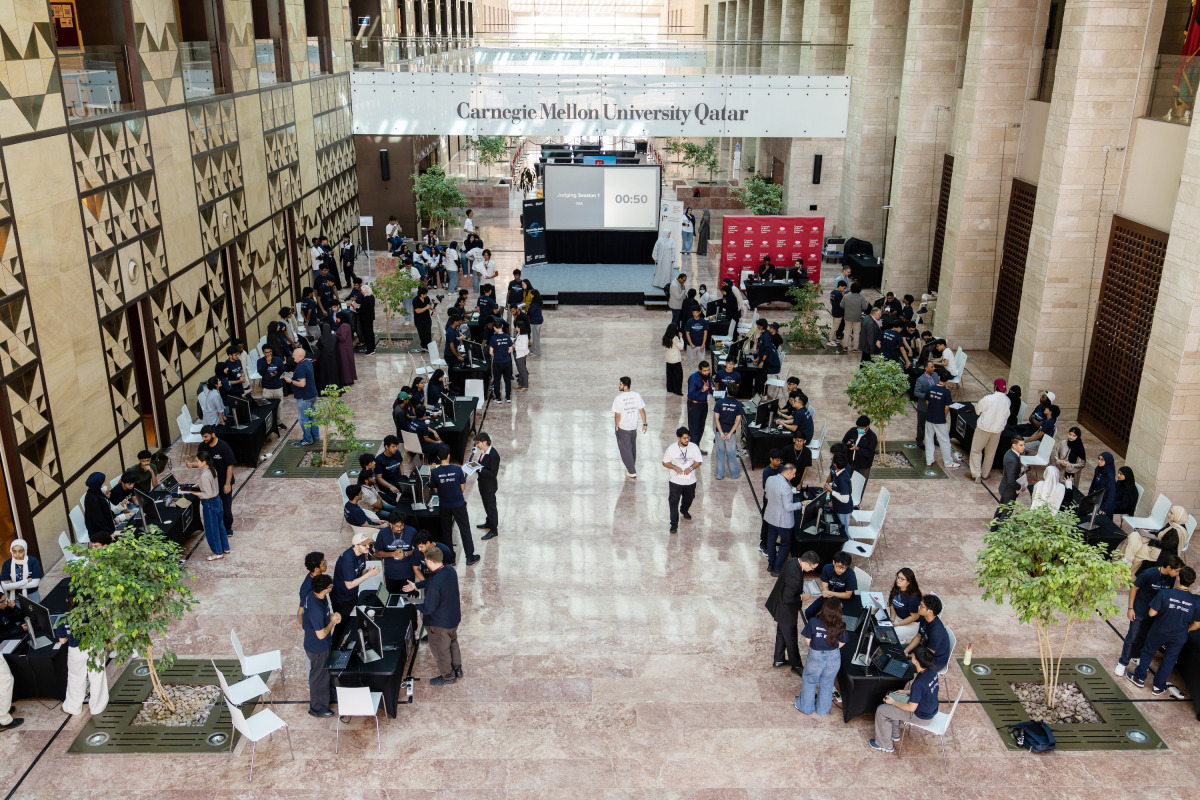
Doha, Qatar: More than 100 people from across Qatar took part in the “Reboot the Earth” hackathon, a United Nations initiative hosted by Carnegie Mellon University in Qatar, a Qatar Foundation partner university.
The event is part of a global initiative that seeks to harness technology to develop practical solutions to address the global climate crisis.
The competition was organised by the Hamad bin Jassim Center for Computer Science Education, a joint initiative of Carnegie Mellon University in Qatar and the Jassim and Hamad Bin Jassim Charitable Foundation. 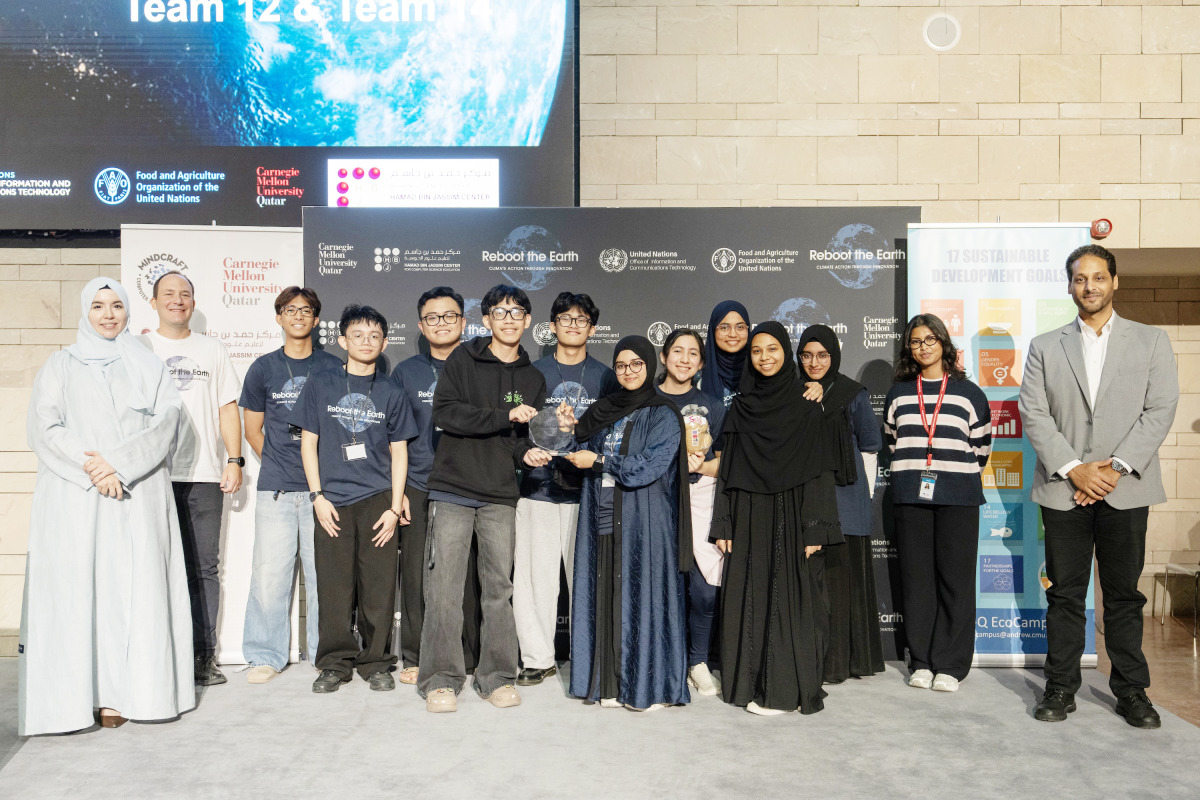 The two institutions collaborated on the event with two international partners, the United Nations Office of Information and Communications Technology and the Food and Agriculture Organization of the United Nations (FAO).
This year’s hackathon was themed “Agriculture and Artificial Intelligence” and featured two main challenges: developing an AI-based solution to assess, evaluate and recommend suitable agricultural crop sites, or developing a solution to monitor the food cold chain to preserve food and reduce spoilage.
Dean of Carnegie Mellon University in Qatar Michael Trick, said: “Every breakthrough, invention or innovation in history started with a small idea. Hackathons encourage smart, skilled people and thinkers to discover those ideas that may one day make a significant impact.”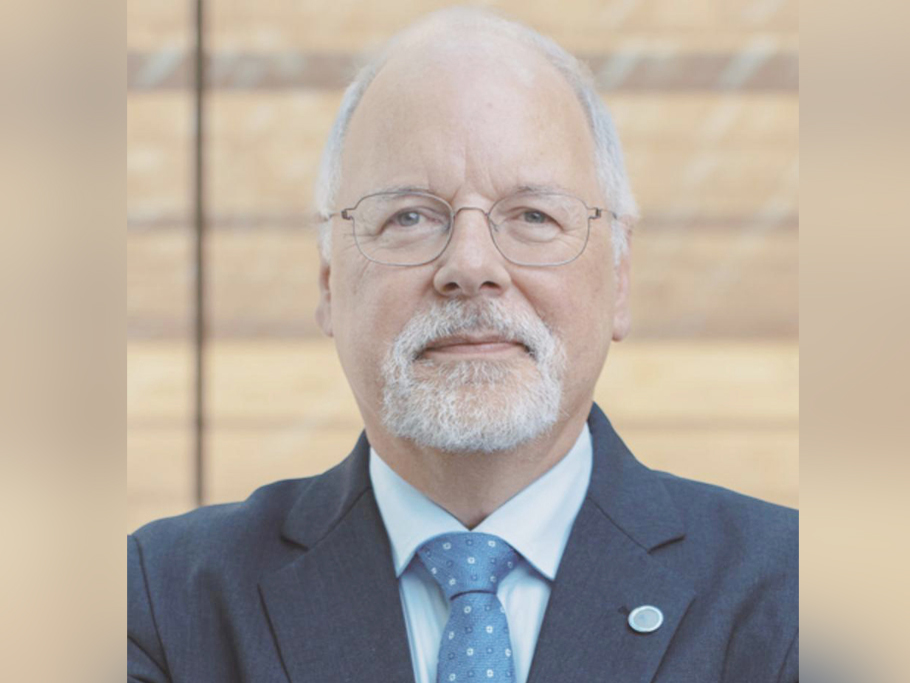 He added: “This hackathon was a great starting point, and I greatly hope that every participant will continue developing these ideas to harness technology in advancing sustainability.”
A total of 110 participants formed 11 teams and took part in intensive collaborative sessions over four days. The teams included high school and university students, developers, researchers and climate enthusiasts from across Qatar.
CEO of the Jassim and Hamad Bin Jassim Charitable Foundation Ali Ibrahim Al Gharib, said that harnessing technology and innovation to serve communities represents a key priority today because of its role in enhancing humanitarian impact and transforming efforts from merely responding to needs into creating sustainable solutions that help address challenges in various forms and shape the future.
“We believe that philanthropy in the age of technology must go beyond the idea of providing support to empowering people and creating solutions,” he said. “Through the Hamad bin Jassim Center for Computer Science Education, we are working to provide an environment that encourages innovation and empower a new generation of young people with the knowledge, skills and tools that help them turn their ideas into practical solutions and achieve tangible and sustainable impact, particularly in agriculture and addressing environmental challenges.” Throughout the event, experts from prominent regional and international organisations served as technical mentors and judges, including Carnegie Mellon Libraries, Carnegie Mellon University in Qatar, Earthna Center for a Sustainable Future (Earthna), Education Above All Foundation’s Protect Education in Insecurity and Conflict programme, and Sidra Medicine.
All participating teams developed practical prototypes, with two teams emerging as winners of the competition. The winning teams included students from the American School of Doha, Philippine School Doha, Qatar University and University of Doha for Science and Technology.
Open Source Adoption Consultant at the United Nations Office of Information and Communications Technology Mithusa Kajendran, said: “Reboot the Earth provides a unique platform for young innovators to address some of the most pressing challenges facing our world today. The participants demonstrated creativity and dedication that inspires hope for building a technology-driven sustainable future.”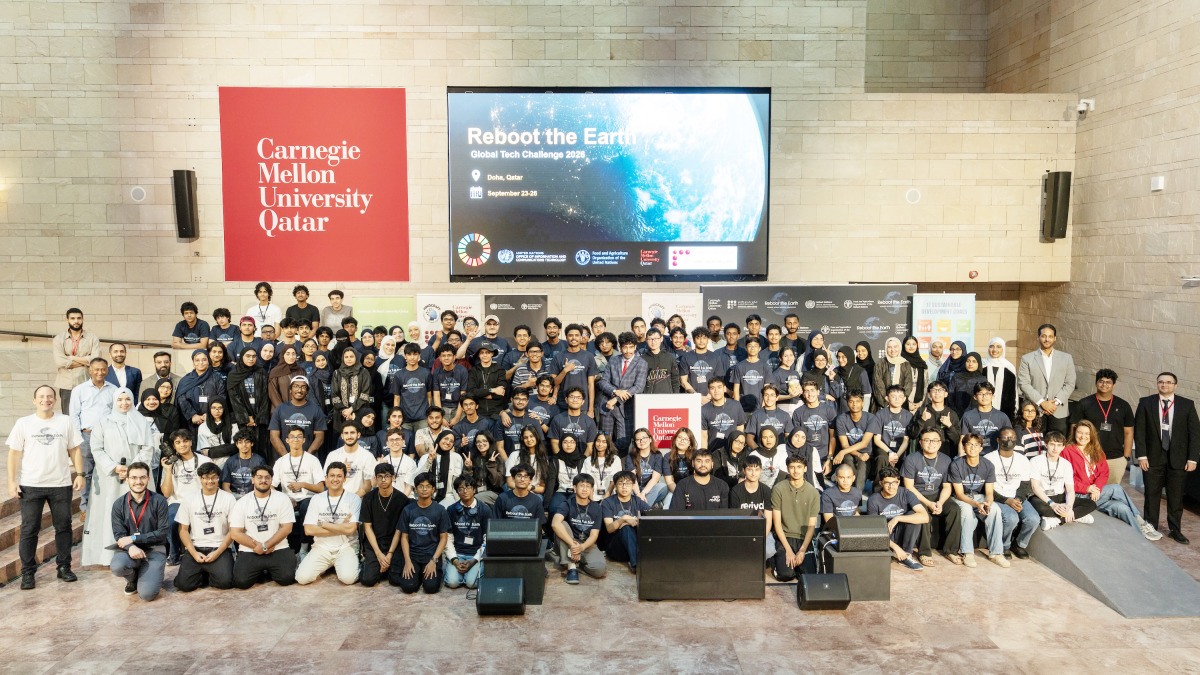 In a related development, Carnegie Mellon University in Qatar and the Hamad bin Jassim Center for Computer Science Education are hosting the “Lifeline Hackathon,” which aims to develop technological solutions for people living in conflict zones.
Carnegie Mellon University in Qatar offered undergraduate programmes in artificial intelligence, biological sciences, business administration, computer science and information systems.