Manama: Secretary General of the Gulf Cooperation Council (GCC) HE Jasem Mohamed Albudaiwi, underlined that the electricity and water sectors represent a strategic priority and a cornerstone of joint GCC action, given their pivotal role in advancing resource sustainability, securing the needs of member states, and enhancing readiness to address future developments and challenges.
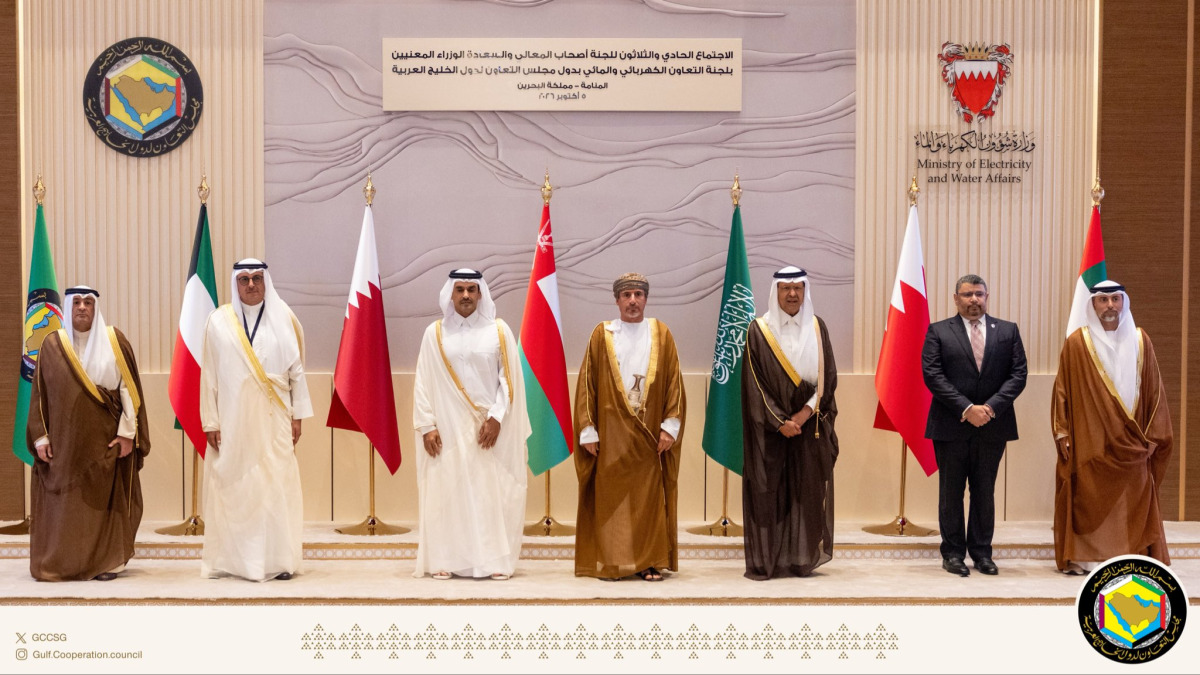
His Excellency's remarks came during the 31st meeting of the GCC Electricity and Water Cooperation Committee, held on Monday, October 5, 2026, in the Bahraini capital, Manama, chaired by HE Yaser bin Ebrahim Humaidan, Minister of Electricity and Water Affairs of the Kingdom of Bahrain and Chairman of the current session, with the participation of Their Excellencies the members of the Committee.
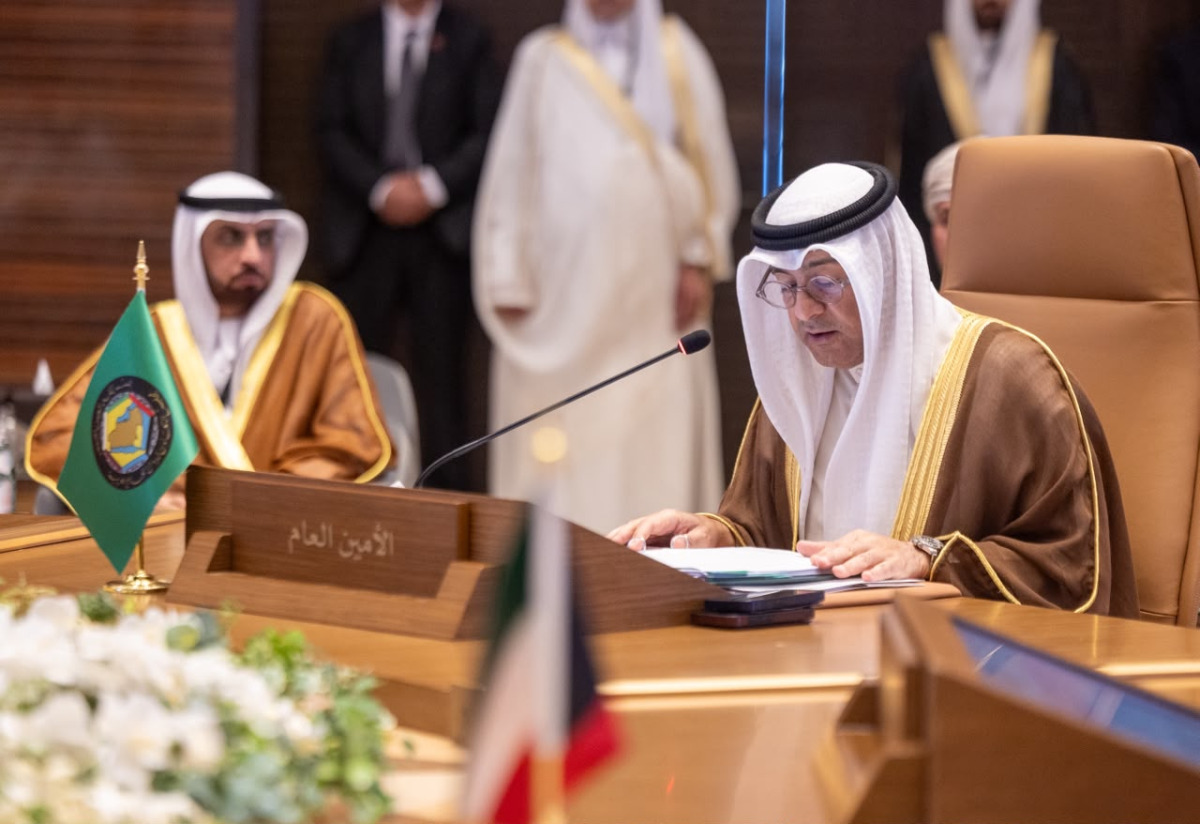
At the outset of his speech, His Excellency the Secretary General extended the highest expressions of thanks, appreciation, and gratitude to His Majesty King Hamad bin Isa Al Khalifa, King of the Kingdom of Bahrain and President of the current session of the Supreme Council of the GCC, for the Kingdom of Bahrain’s hosting of the meeting, and for its steadfast support to ensure the success of GCC initiatives. He also commended the support and attention devoted to joint GCC action by Their Majesties and Highnesses the Leaders of the GCC states.
His Excellency stated that the outcomes of the 19th Consultative Meeting of the Supreme Council, held in Jeddah on April 28, 2026, affirmed the importance of enhancing the readiness and capacity of GCC states to face crises and challenges. These directives included studying the feasibility of establishing water interconnection projects among member states and continuing to expand and bolster the GCC electricity grid. His Excellency stressed the necessity of translating these directives into practical initiatives that advance joint Gulf action toward broader horizons of integration and preparedness.
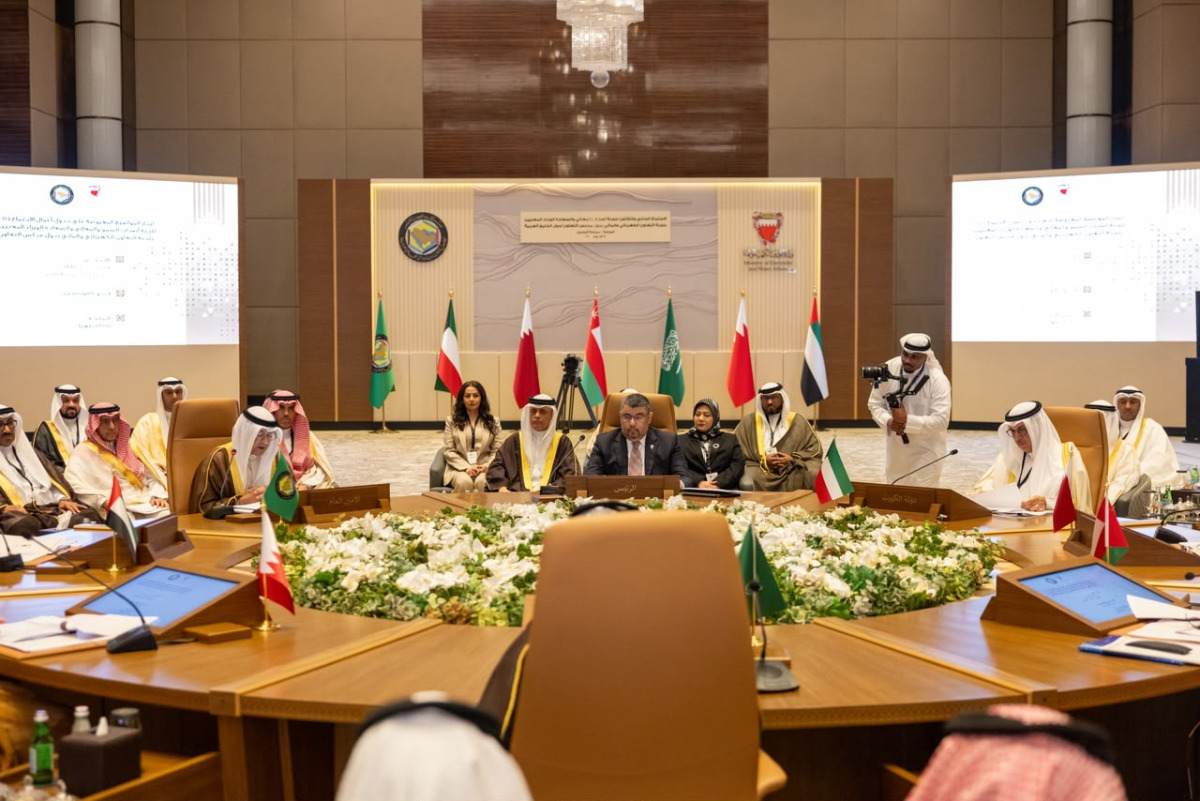
Moreover, His Excellency explained that the current phase requires accelerating progress across priority tracks, foremost among them preparing for the growing demand for electricity and water. He noted that total electricity generation across the GCC states reached approximately 876,000 gigawatt-hours (GWh) in 2025, an increase of 9.6% over the previous year, while desalinated water production reached around 8.5 billion cubic metres, marking a growth rate of 10.8%.
His Excellency the Secretary General also highlighted the importance of upgrading the efficiency of electricity and water systems by advancing production, transmission, and distribution facilities, alongside expanding the deployment of modern technologies and smart solutions to curb grid losses, boost operational efficiency, and maximise the utilisation of available resources.
Regarding the GCC electricity interconnection, His Excellency stressed the importance of accelerating its expansion projects and maximising its economic returns. He pointed out that financial savings achieved through the GCC electricity interconnection exceeded USD 952 million in 2025 alone, bringing cumulative savings since the project’s inception to more than USD 5.2 billion—underscoring its strategic significance in bolstering energy security, elevating grid efficiency, and expanding intra-GCC power trading.
In the water sector, His Excellency the Secretary General underlined that supply security and emergency preparedness remain paramount priorities for member states. He emphasised the importance of continuing to assess multilateral water interconnection projects alongside existing bilateral connections, contributing to a resilient unified Gulf framework capable of navigating exceptional circumstances and ensuring the optimal utilisation of available water resources.