Doha: Professors from the College of Pharmacy at Qatar University’s (QU) joined the rest of the world to celebrate World No Tobacco Day under the theme “Commit to Quit,” chosen by World Health Organisation (WHO).
Several professors at the College shared their views on the international day, marked on May 31.
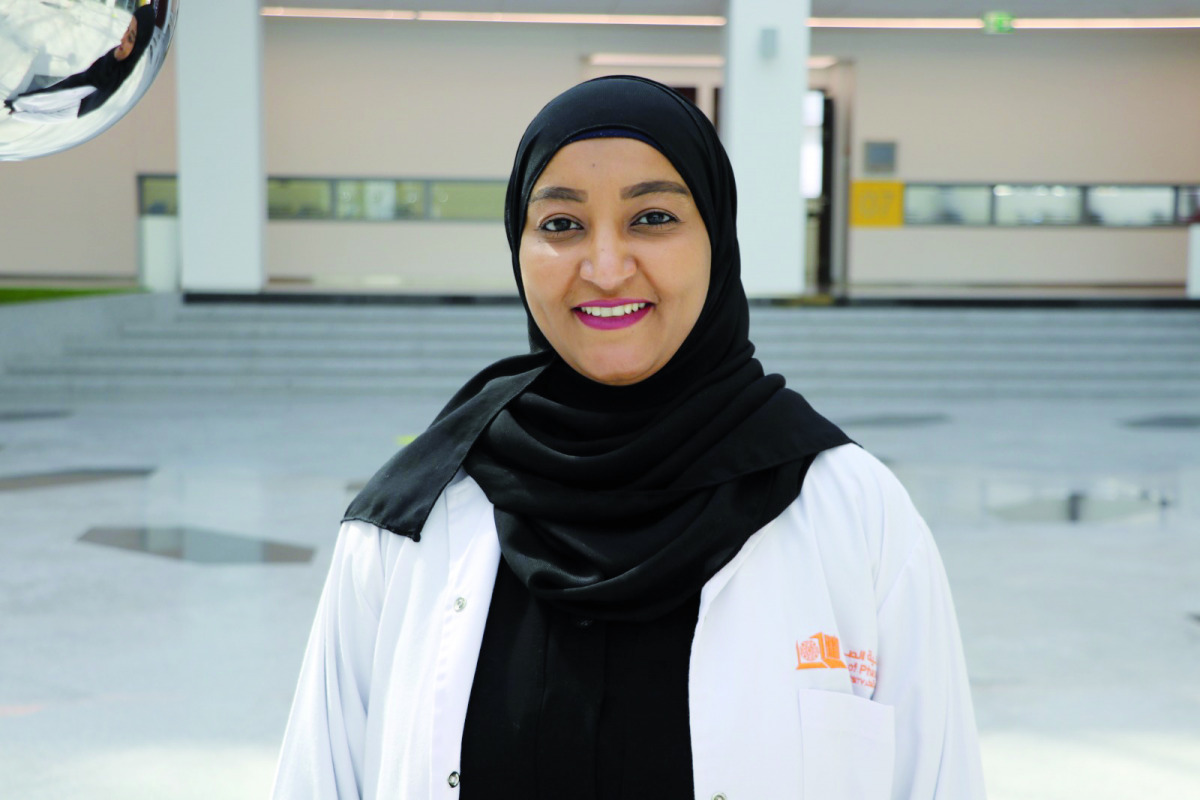
Dr. Hager ElGeed, Teaching Assistant, Clinical Pharmacy, and Practice, College of Pharmacy, said: “Tobacco is dangerous to your health, as the substances you inhale while you smoke do not just affect your lungs. Rather, they can affect your entire body. Qatar, like many other countries, has adopted some strategies to control tobacco use. This aims to reduce the burden of tobacco consumption on the health of individuals and societies. Multiple institutions in the country offer help for people who are willing to quit smoking. Such a supportive environment can encourage individuals to think of their health and wellbeing.”
Professor Ahmed Awaisu (Professor of Clinical Pharmacy and Practice and Tobacco Control Advocate), Head of Department of Clinical Pharmacy and Practice, College of Pharmacy, Qatar University) said: “On the occasion of World No Tobacco Day 2021, I would like to wish us a tobacco-free world where the risks associated with tobacco are brought to a minimum. I would like to reiterate that to succeed in the tobacco control efforts being implanted by various stakeholders globally, all hands must be on deck. The commitment and efforts to quit from smokers and other tobacco users can make an enormous difference in this crusade.”
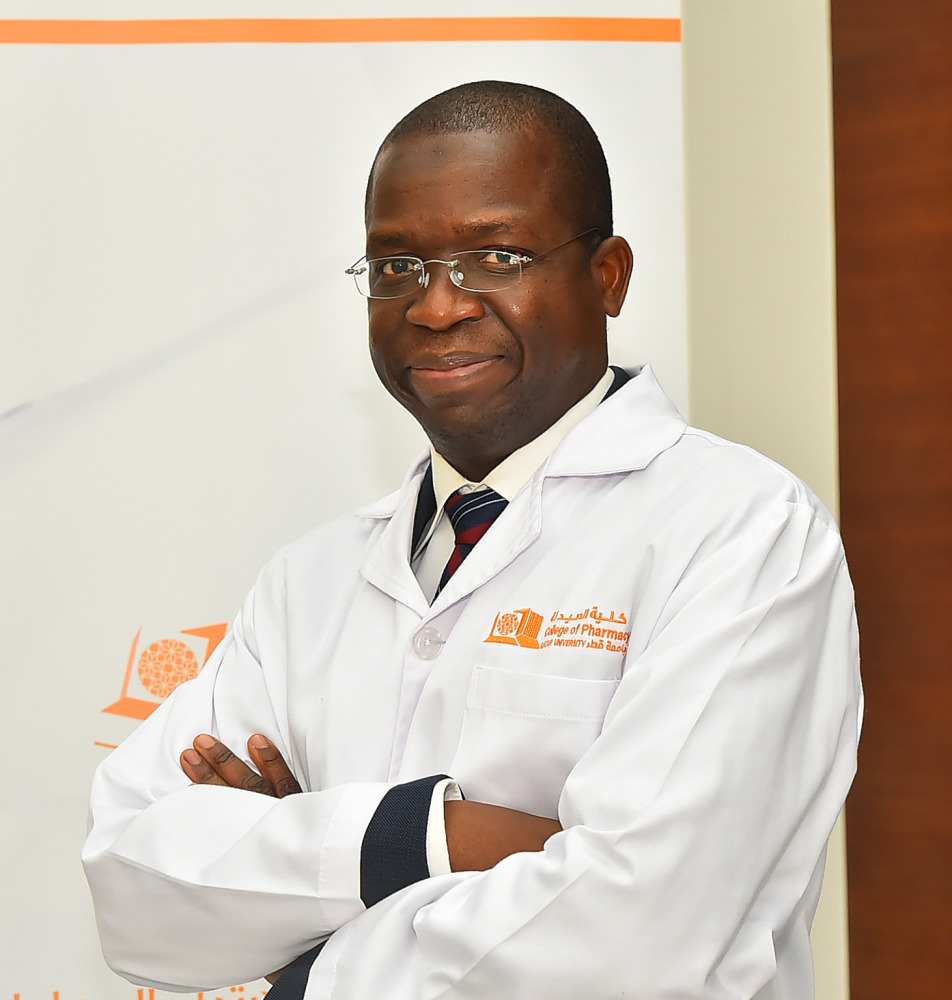
Professor Ahmed Awaisu
Professor Awaisu stressed the need to stop smoking, especially in the face of the COVID-19 pandemic.
“Currently, the world is facing dual epidemics of tobacco use and COVID-19. With the conundrums imposed by the pandemic impacting all realms of life and the safety precautions imposed by governments, it is timely for tobacco users to make viable quit attempts. As an anti-tobacco advocate, I would implore and encourage all tobacco users (including cigarette and shisha smokers) in Qatar and other countries globally to sign “the pledge to quit today” on the World Health Organization website.”
Professor Ashraf Khalil, Professor of Medicinal Chemistry and Acting Head of Pharmaceutical Sciences Department, College of Pharmacy, said: “I am motivated to first share with you some scientific facts about tobacco smoke. More than 7,000 chemical compounds have been isolated and identified in tobacco smoke. At least 65 compounds of them were classified as carcinogens (can cause cancer). In addition, COVID-19 has created more question marks about the harmful effect of smoking. This huge number of compounds can seriously affect different parts of the smoker’s body, not only the lungs.”
Dr. Maguy El Hajj, Associate Dean for Academic Affairs at College of Pharmacy, said: “I would like to take the chance to increase the public awareness about the detrimental effects of tobacco use and passive smoking. As a pharmacist, I would like to encourage every smoker to consider smoking cessation. Many studies have proven the potential benefits of smoking cessation, including reducing the risk of cancer and cardiovascular events. In this regard, I would like to highlight the important role of pharmacists in tobacco cessation.”
On smoking complications and cessation strategies, Dr. Hazem Elewa, Associate Professor and Head of Clinical Training at the College of Pharmacy, QU Health, Qatar University said, smoking is a major health burden in Qatar and worldwide.
“At the College of Pharmacy, Qatar University, special attention is made to teach students since their first years about smoking complications and smoking cessation strategies.”