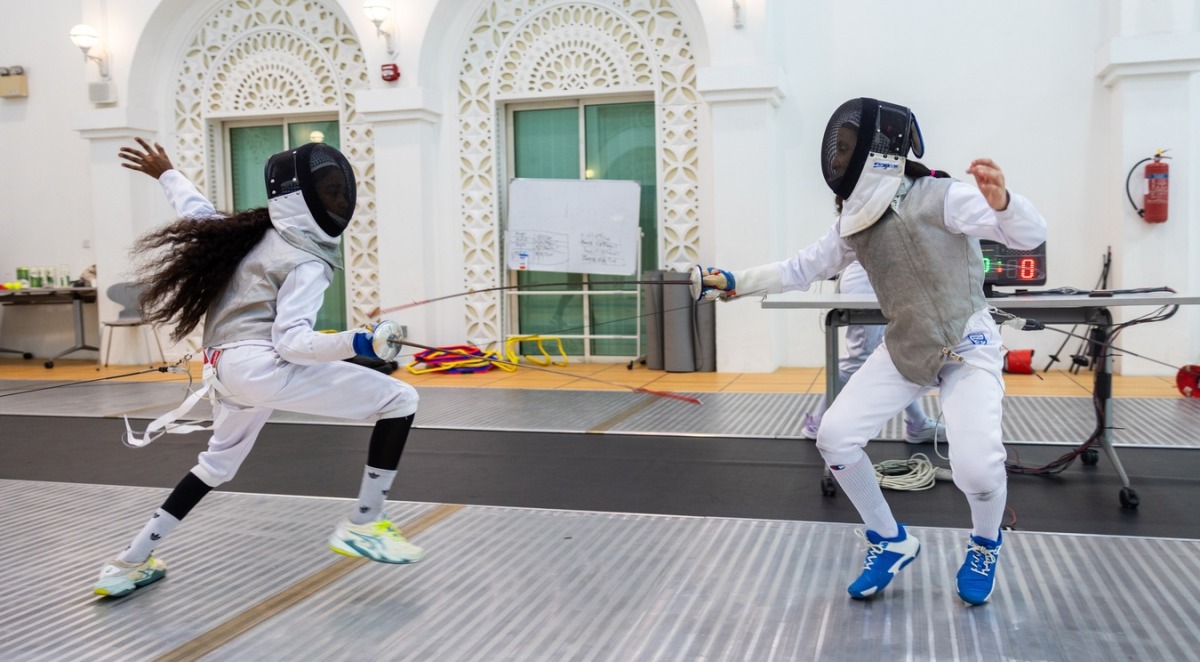
Doha, Qatar: More than 100 young fencers will come together at Education City Stadium for Qatar Foundation’s ‘Touché: International Fencing Day 2026’, with Olympic medalist Ibtihaj Muhammad joining them as they put their training into practice. Among them will be a new generation of fencers participating in Qatar Foundation’s Creating Pathways Program.
For Maryam Al Badi, a stage two student at Academyati, a Qatar Foundation (QF) Pre-University Education (PUE) school, her curiosity about fencing began before ever picking up a sword. “The first time I saw fencing was in a movie, and the sword was what caught my attention most,” she says. “I told my mother I wanted to try it, and when I did, I loved it."
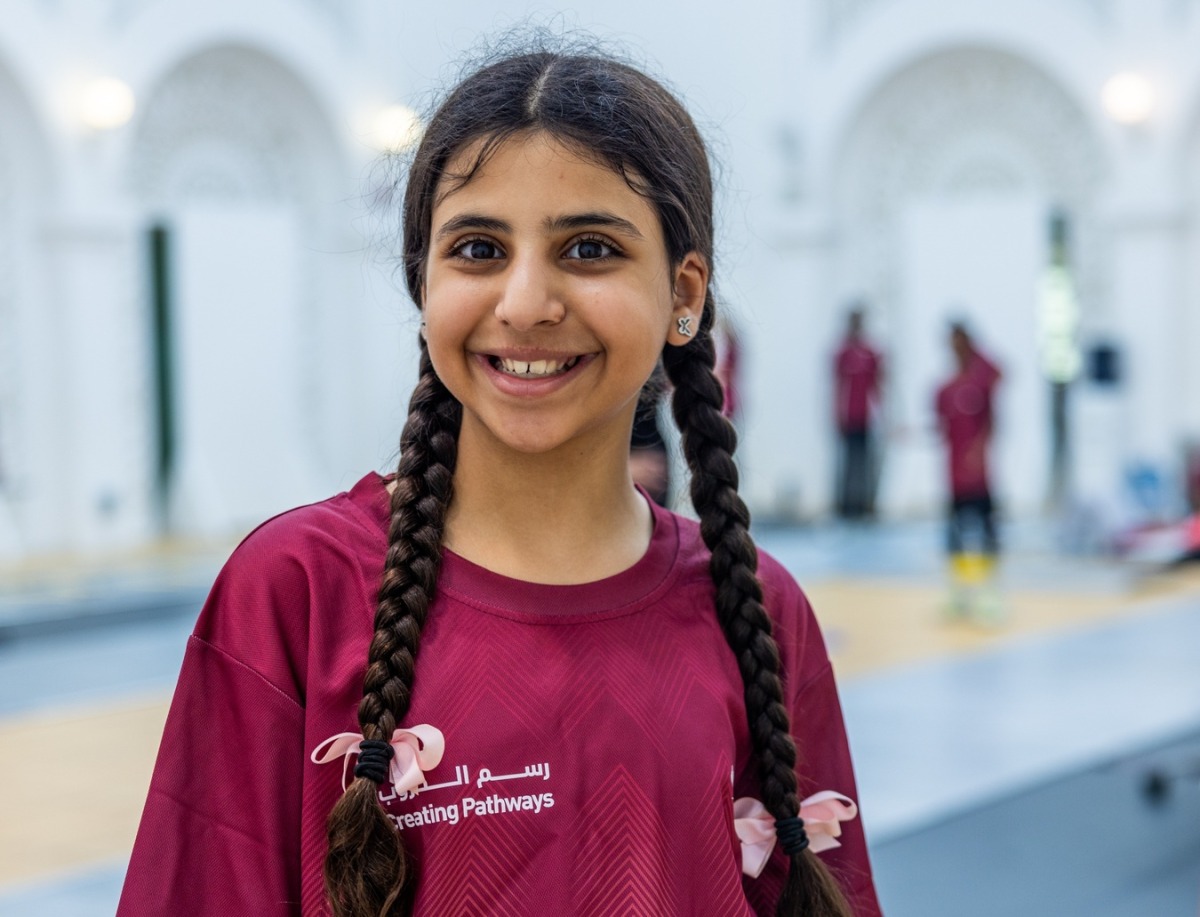
Maryam Al Badi
At Academyati, her quick reflexes and coordination revealed a natural talent for fencing. But what first drew her to sport soon became one of her earliest challenges.
“The sword felt heavy at first, but as I became stronger, I was able to hold it better,” she says. “As I developed my skills, I began to realize that fencing isn’t only about strength and speed, it’s also about strategy. I’ve learned to think more strategically.”
Al Badi admits she still feels nervous before a bout, but fencing has taught her how to move beyond that feeling. “I feel a little scared at first, but as soon as I start fencing, I feel better and try to think quickly,” she says. “And if I lose, that’s okay. I can train more and try again.”
Choosing a sport that was unfamiliar to some of her friends naturally sparked their curiosity as well. Al Badi says their questions have given her an opportunity to tell them about fencing, encourage them to try it, and show them there is nothing to be afraid of.
Amid the sounds of swords and scoring signals, there is one sound Al Badi enjoys most – the crowd. “I love hearing the crowd because it makes me feel that they are cheering for me,” she says. “It gives me the confidence to keep going and believing in what I can do.”
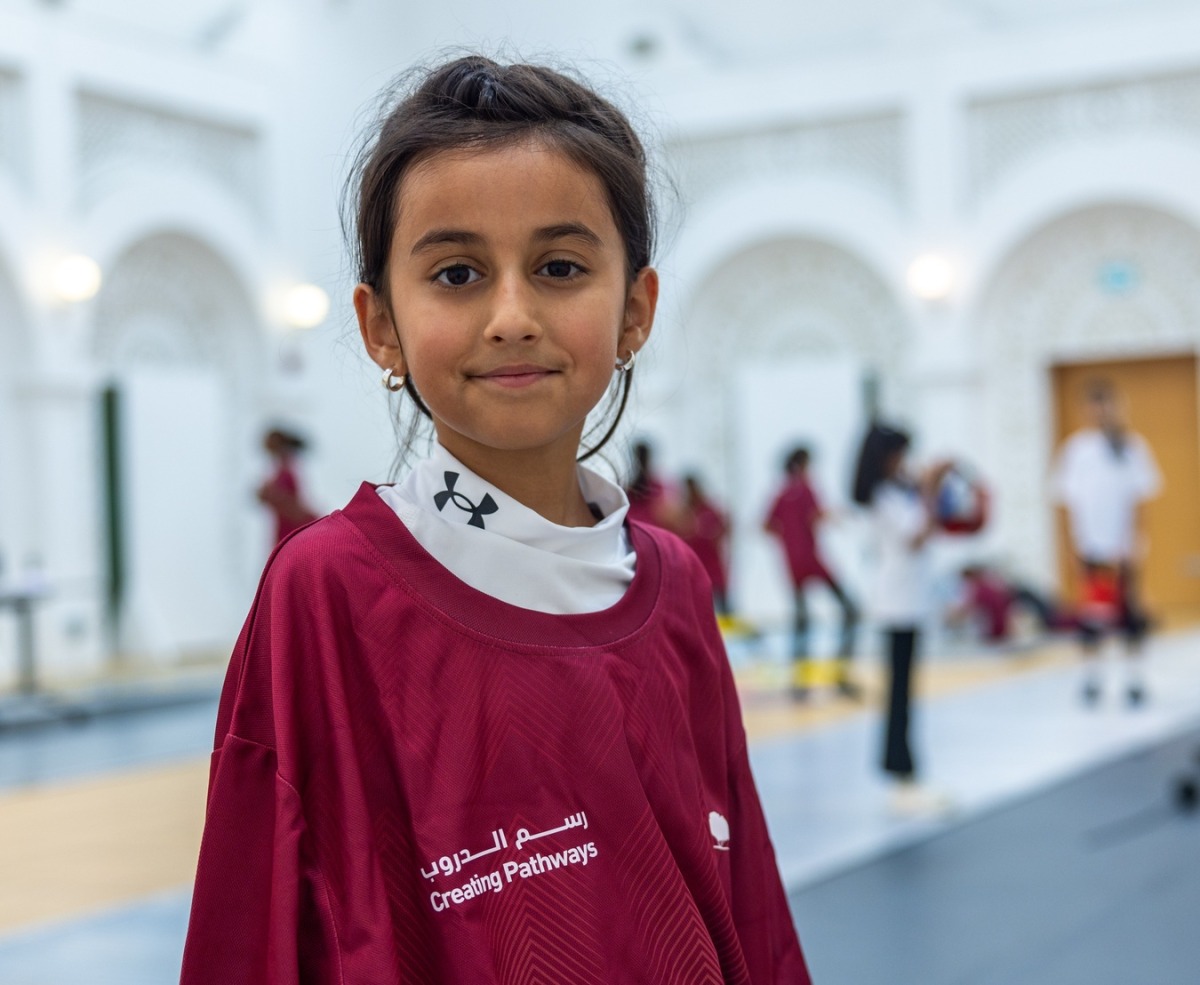
Maryam Khalid Al Awadi
For Maryam Khalid Al Awadi, a Grade 3 student at Tariq Bin Ziad School, another QF PUE school, the journey began after watching other girls fence and deciding she wanted to take up the sport herself.
“On my first day of training, I felt like my heart was going to jump out of my chest because I was so scared,” she says. “But I remembered why I was there. I started learning and gradually became better at fencing. My personality changed too.
“At first, I was a girl who didn’t talk very much or take part in things,” she says. “But fencing made me braver. Now I participate more, even at school, and I’m not as afraid to try new things.”
Al Awadi is also a young writer, having written a story that was displayed at the Doha International Book Fair. “In the future, I want to write about fencing and become both a writer and a fencing champion.”
She encourages other Qatari girls to try fencing. “You may be scared at first, but once you try it, you’ll see there’s nothing to fear.”
For sisters Al Hanouf and Maryam Al Ali, fencing was already part of their family story. Their father had practiced the sport, and his passion now passed on to his daughters. One sister took it up first, inspiring the other to follow.
Maryam, a Grade 6 student at Khadija Bint Khuwaylid School for Girls, says, “My father taught us that fencing can give us strength and confidence and help us understand what our bodies are capable of,” she says. “Through fencing, I have learned to be strong and brave and also learned how to defend myself. It has made me feel physically stronger.”
Meanwhile, Al Hanouf, a Grade 9 student at Al Aqsa School for Girls, says putting on her fencing mask and picking up her sword brings a different sense of strength and responsibility.
“When I put on the mask and hold the sword, I imagine that I am in a battlefield defending myself, my country, and my land,” she says. “It makes me feel brave. Fencing has taught me how to defend myself, how to be stronger, and not to be afraid.”
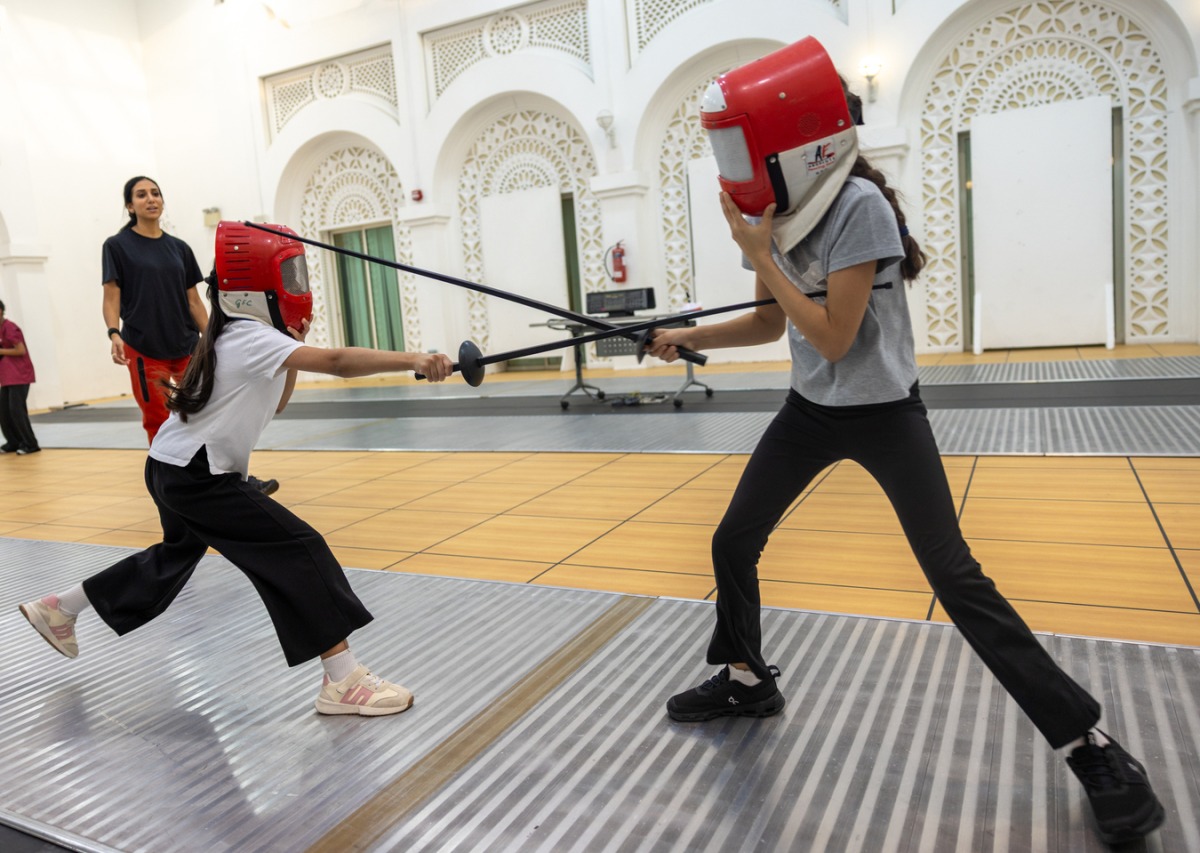
The sisters attend the Creating Pathways Program training sessions together, and their shared passion comes with a little sibling rivalry. Maryam admits that Al Hanouf usually wins when they fence against each other.
But while fencing has become part of their lives, they still occasionally encounter the perception that it is a sport for boys. Their response is unequivocal. “Fencing isn’t only for boys, it’s for girls too,” they say. “We have the right to learn how to be strong and how to defend ourselves.”
The sisters see Ibtihaj Muhammad as a role model in the sport. Looking ahead to meeting her, Al Hanouf says, “When I watched her, I saw someone strong and brave, someone who wasn’t afraid. I hope I can be like her one day.”
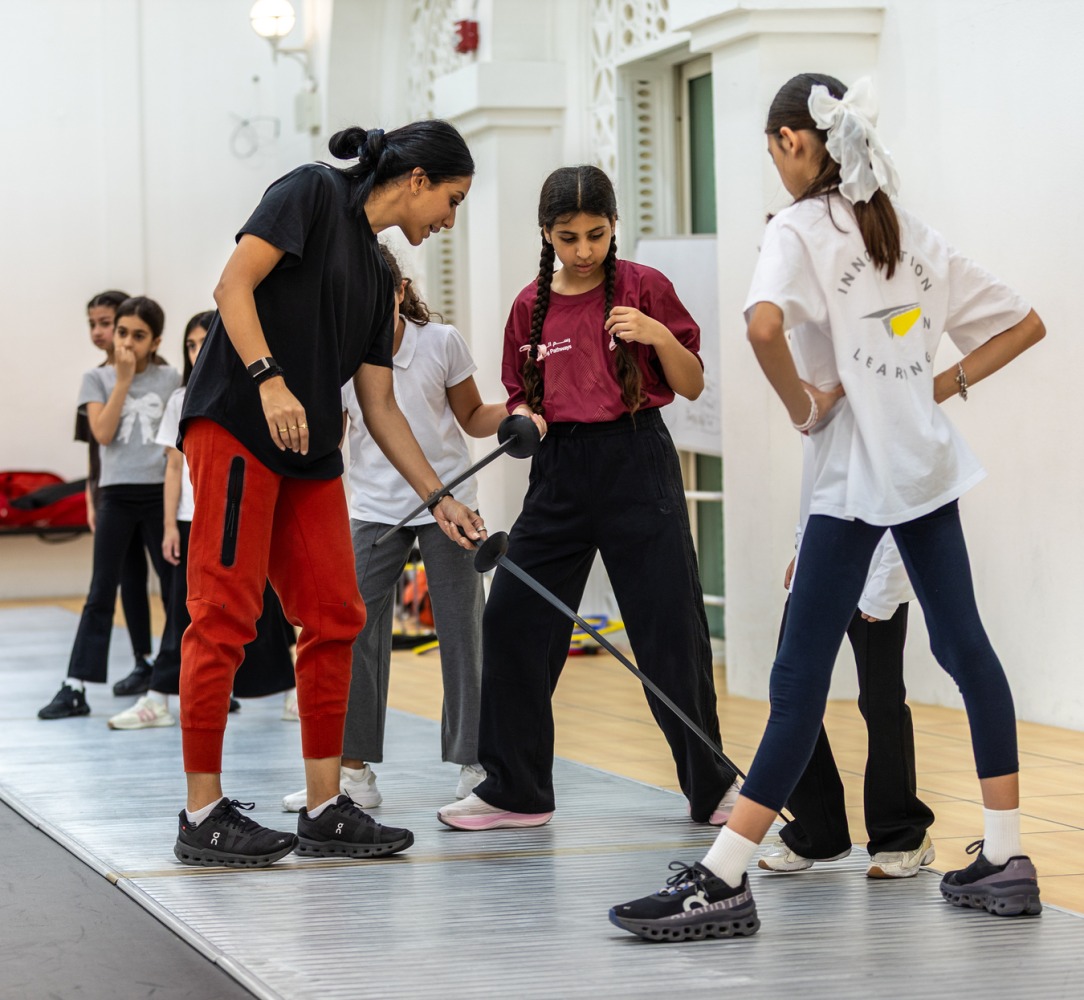
For Ghoroor Ahmed, QF Health & Sports Affairs Specialist and former fencer, the Creating Pathways Program is about identifying talent and helping girls progress in fencing. The program currently trains around 30 girls and supports talent identification in schools.
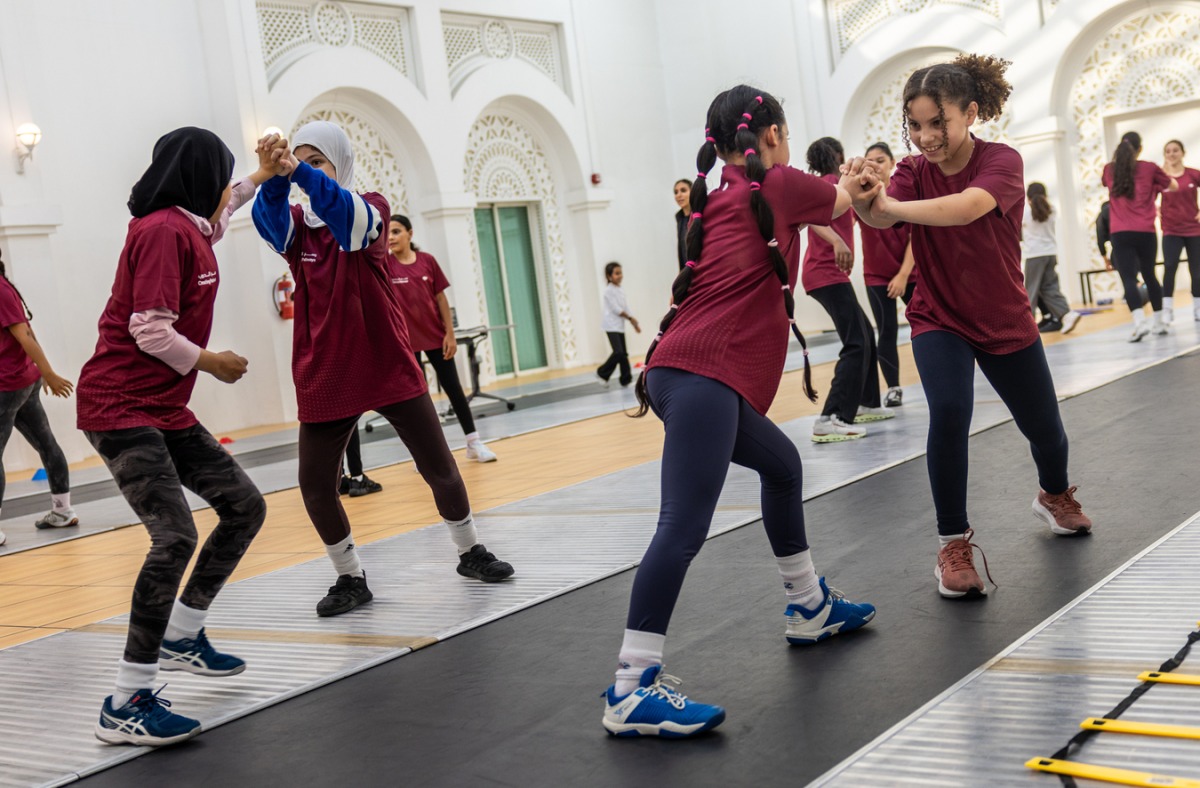
“Fencing combines speed, concentration, quick reflexes, patience, and strategy – skills that extend far beyond the piste,” she says.
Ghoroor Ahmed herself was discovered when the Qatar Fencing Federation visited her school, to scout for talent. Her quick reflexes stood out, launching a journey that later saw her compete at local, Gulf, and Asian levels.
Today, she is helping girls begin journeys much like her own. “Every time I attend the girls’ training sessions, I see myself when I was young.”
She believes more girls in Qatar can follow that path. “That is exactly what we are working toward. We are also planning to introduce more fencing weapons and create more opportunities for girls to compete locally and internationally.
Touché: International Fencing Day 2026 will take place on Saturday, September 12 at Education City Stadium, from 4pm to 8pm, and is open to the public to attend, as well as discover the opportunities the Creating Pathways program offers girls to get involved in fencing.