The Middle East’s top selling Chinese brand
Published: 09 Feb 2026 - 08:42 am | Last Updated: 09 Feb 2026 - 08:53 am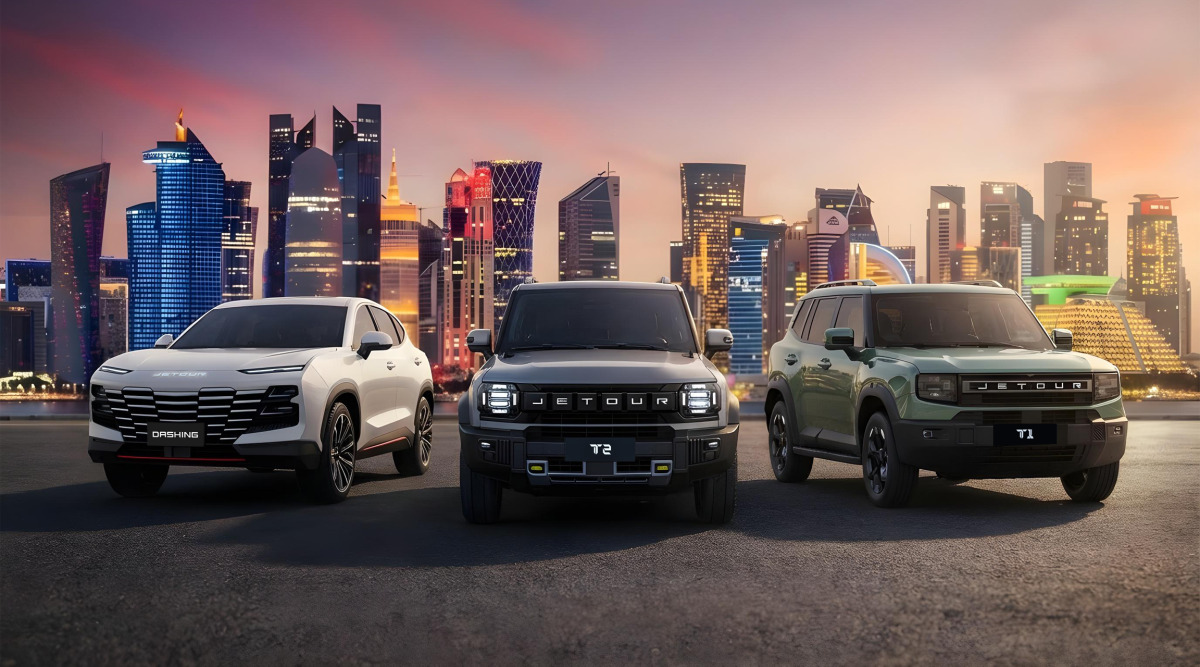
Doha, Qatar: As the global automotive industry undergoes rapid transformation, JETOUR continues to outperform the market, recording over 70,000 vehicle sales in the Middle East in 2025, representing more than 80% year-on-year growth, ranked No.1 among all Chinese brands.
Since its establishment, JETOUR has sold over 2.1 million vehicles globally in just seven years, with the Middle East emerging as a strategic growth engine for the brand’s global expansion. By the end of 2025, JETOUR captured an 8.5% market share in the Middle East SUV segment, ranking No.3 among all automotive brands, behind only Toyota and Nissan—a notable achievement in one of the world’s most competitive SUV markets.
SUVs Built for the Middle East: X, T, and G Series Drive Growth
JETOUR’s success in the Middle East is driven by a diverse SUV portfolio, strong local market adaptation, and its distinctive “Travel+” Lifestyle brand philosophy.
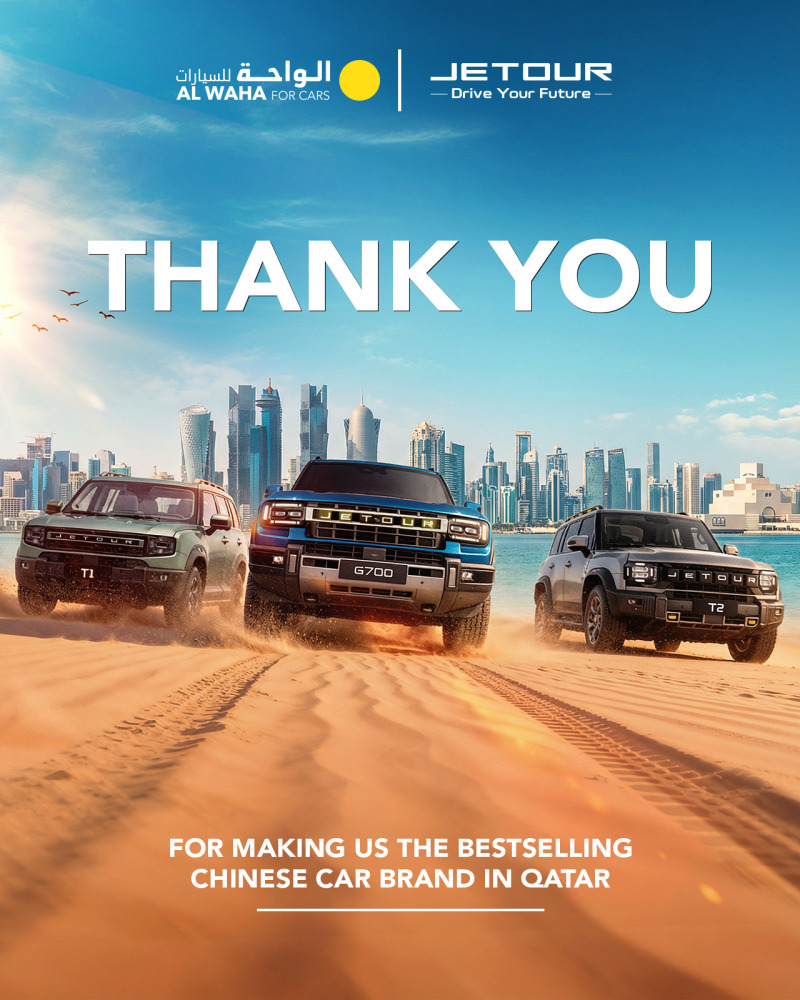
The JETOUR X Series continues to attract family buyers with its balance of comfort, reliability, and value. The JETOUR T Series, engineered as light off-road SUVs, has become a preferred choice for adventure seekers and frequent travelers, with the JETOUR T2 emerging as the best-selling model in its segment in the Middle East in 2025.
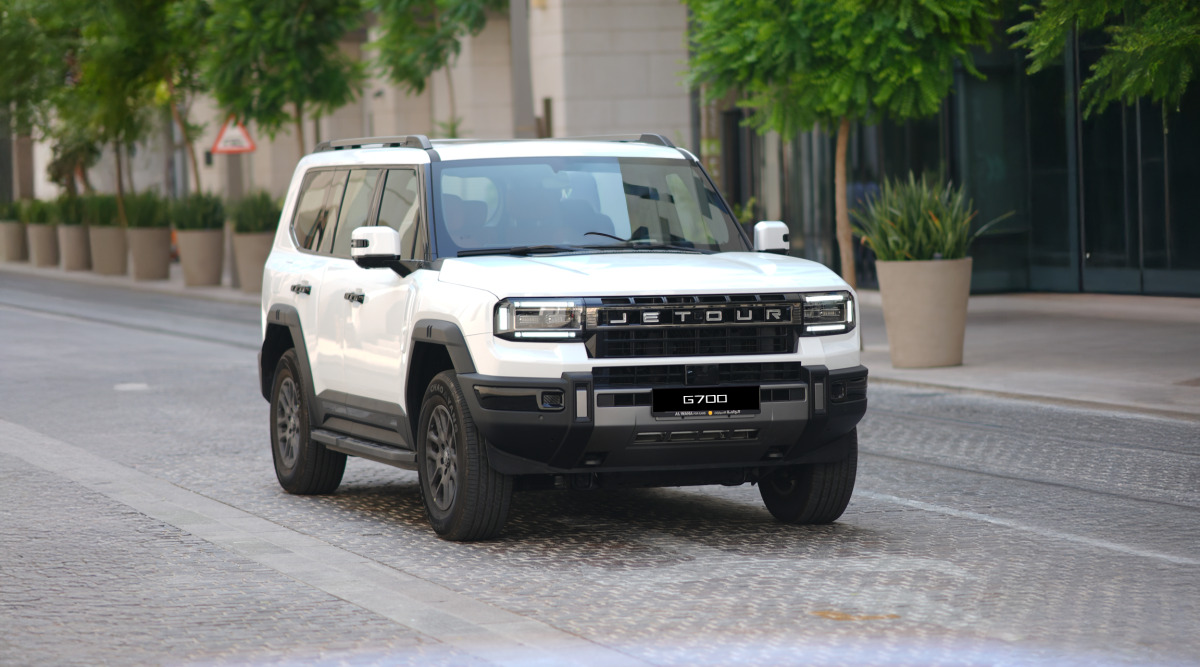
At the premium end, the debut JETOUR G700, the first model under the G Series, has redefined expectations in the luxury off-road SUV segment. Built on the advanced GAIA Architecture, the G700 has attracted high-net-worth customers seeking both performance and exclusivity.
With SUVs increasingly dominating the Middle East car market, JETOUR models are now a common sight on roads across the region.
Localization at the Core: Engineering for Extreme Conditions
Localization remains central to JETOUR’s Middle East strategy. The brand established a dedicated Middle East Research Institute and local R&D teams to ensure vehicles meet regional requirements. Extensive testing was conducted in extreme temperatures reaching 57°C, including road durability trials and advanced air-conditioning performance evaluations, ensuring JETOUR SUVs are fully adapted to local climate and driving conditions.
“Travel+” Lifestyle and Regional Engagement
Beyond product performance, JETOUR continues to build deeper emotional connections with users through its Travel+ Lifestyle ecosystem. In 2025, it became the Headline Sponsor - Automotive of the LIWA International Festival 2025–2026, the UAE’s iconic three-week annual off-road festival, where JETOUR hosted its first global fan festival, offering participants firsthand experiences of its off-road capabilities. JETOUR also sponsored the FIFA Arab Cup in Qatar and supported major sports events across Saudi Arabia and other Middle Eastern markets.
Expanding After-Sales Network for Long-Term Growth
To support its growing vehicle fleet, JETOUR plans to expand its Middle East after-sales network by 40% in 2026, alongside increasing the number of flagship showrooms to enhance customer experience and long-term trust.
Ke Chuandeng, President of JETOUR International, stated: “Every achievement JETOUR has made comes from the trust of Middle Eastern customers. It is user recognition that has earned us broad acceptance in the region. We will always value our users’ needs and respond to their trust with sincerity. JETOUR aims to be a reliable companion for Middle Eastern users. Looking ahead, we will continue to deepen our presence in the Middle East with better products and services, and create greater value in daily mobility for local customers.”
By deepening market understanding, fostering a user-oriented ecosystem, advancing localized technology innovation, and fortifying its service network, JETOUR continues to strengthen its position in the Middle East, positioning the region as a strategic anchor for global growth under its “Travel+” strategy.