Doha, Qatar: Qatar General Electricity and Water Corporation (Kahramaa) has outlined its work to develop transmission and distribution networks, expand renewable energy, particularly solar power, advance digital transformation in subscriber services, and improve billing accuracy and meter-reading systems.
Shura Council yesterday hosted President of Kahramaa), H E Eng. Abdulla bin Ali Al Theyab in a session where they reviewed ongoing efforts to manage and protect groundwater resources, highlighting initiatives to regulate their use and ensure long-term sustainability.
The review also covered projects focused on rehabilitating and developing water-harvesting wells, as well as underground water storage initiatives designed to enhance water security and strengthen preparedness for extreme emergency situations.
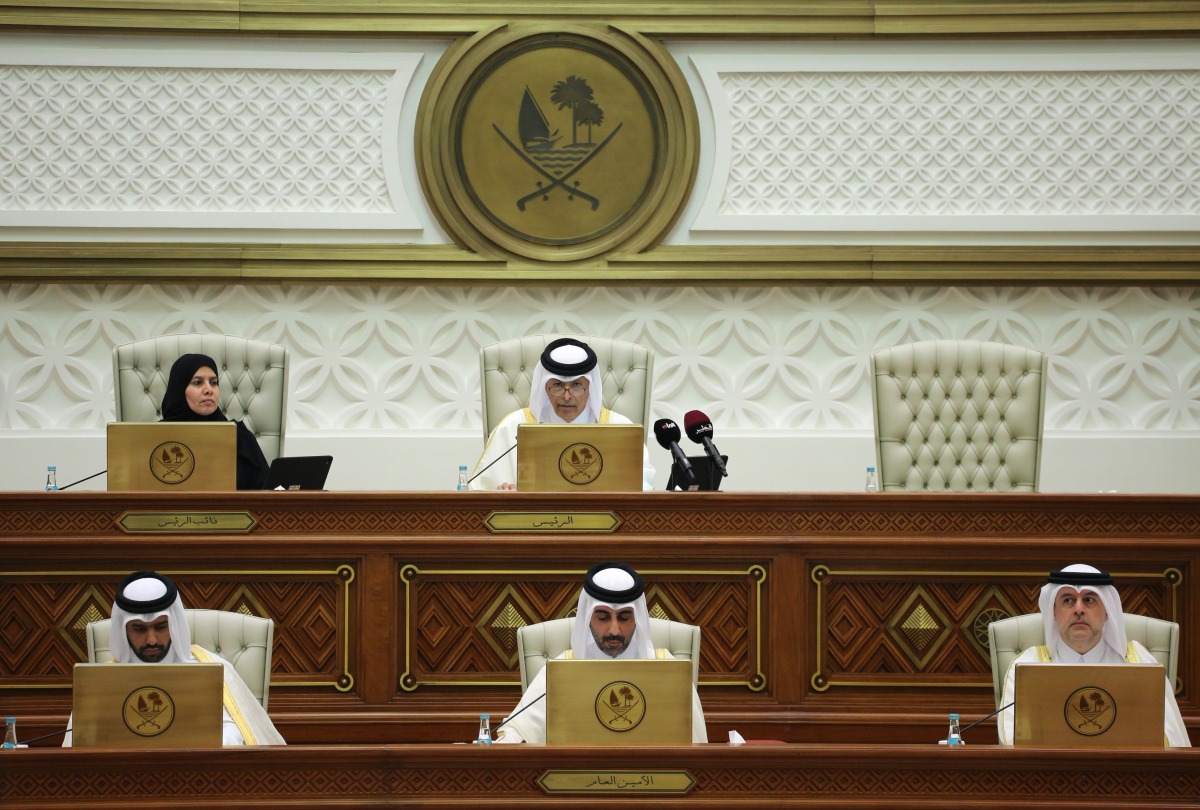
The Shura Council yesterday convened its regular weekly session in Tamim bin Hamad Hall at its headquarters, chaired by Speaker H E Hassan bin Abdullah Al Ghanim.
As the session began, Secretary-General H E Nayef bin Mohammed Al Mahmoud read out the agenda, with the council approving the minutes of its previous session.
The session was attended by President of Kahramaa, Eng. Abdulla bin Ali Al Theyab along with a number of specialists from the corporation, to review several topics related to the electricity and water sectors, the Qatar National Renewable Energy Strategy, and the corporation’s plans in the areas of supply security, network efficiency, consumption rationalization, digital transformation, and subscriber services.
The Speaker of the Shura Council and Their Excellencies the members welcomed the President of Kahramaa and commended the pivotal role Kahramaa has played in providing electricity and water services, developing transmission and distribution networks, and enhancing supply efficiency in a manner that keeps abreast of the nation’s urban and economic growth.
The Speaker lauded the attention the State, under the directives of Amir H H Sheikh Tamim bin Hamad Al-Thani, accords to developing the infrastructure of the electricity and water sectors, boosting the efficient use of resources, and entrenching sustainability as one of the core pillars for achieving comprehensive development in line with the objectives of Qatar National Vision 2030.
He underscored the importance of the topics under discussion due to their direct bearing on the lives of citizens and residents, as well as on the requirements of economic and urban development.
For his part, the President of Kahramaa, delivered a presentation highlighting the corporation’s principal plans and areas of work in the electricity and water sectors, in addition to the targets of the Qatar National Renewable Energy Strategy through 2030.
Eng. Al Theyab discussed Kahramaa’s role in the electricity sector, noting its persistent efforts to develop transmission and distribution networks to meet rising demand for electricity and connect the national grid to a range of vital projects across the country.
He added that the networks are managed and monitored around the clock through control centers, a measure that further burnishes service efficiency and continuity.
The presentation also addressed the readiness of the electricity grid and emergency plans through an interconnected operational framework comprising monitoring and control systems, emergency centers, and specialized technical teams, thereby facilitating swift responses to faults and unexpected outages and ensuring the restoration of services in coordination with the relevant authorities.
On renewable energy, he explained that the Qatar National Renewable Energy Strategy seeks to set in motion the development of a sustainable and cost-effective energy system, increase the use of renewable energy sources in electricity generation, and preserve the strength and reliability of the grid.
Al Theyab noted that Kahramaa accords special importance to water quality through adherence to local and international health and environmental standards and the operation of automated water-quality monitoring systems at reservoirs and pumping stations, thereby ensuring continuous oversight of potable water supplies.
He also reviewed groundwater-resource management and the corporation’s efforts to protect and regulate their use, as well as measures to enhance water security through projects aimed at rehabilitating and developing water-harvesting wells and initiatives related to underground water storage, all of which support preparedness for extreme emergency situations.
The presentation further addressed the State’s district-cooling services policy and its role in supporting energy-efficiency efforts, in addition to the regulations governing electrical connections and water installations in various buildings and facilities, as well as monitoring their implementation in accordance with approved standards and requirements.
Meanwhile, the Shura Council reviewed the report of the Health, Public Services and Environment Affairs Committee regarding the proposed law on the digital protection of children.
In light of the committee’s conclusions, the Council approved, pursuant to Article (106) of its Rules of Procedure, referring the proposal to the government in the form of draft legislation for further review and consideration.