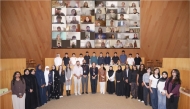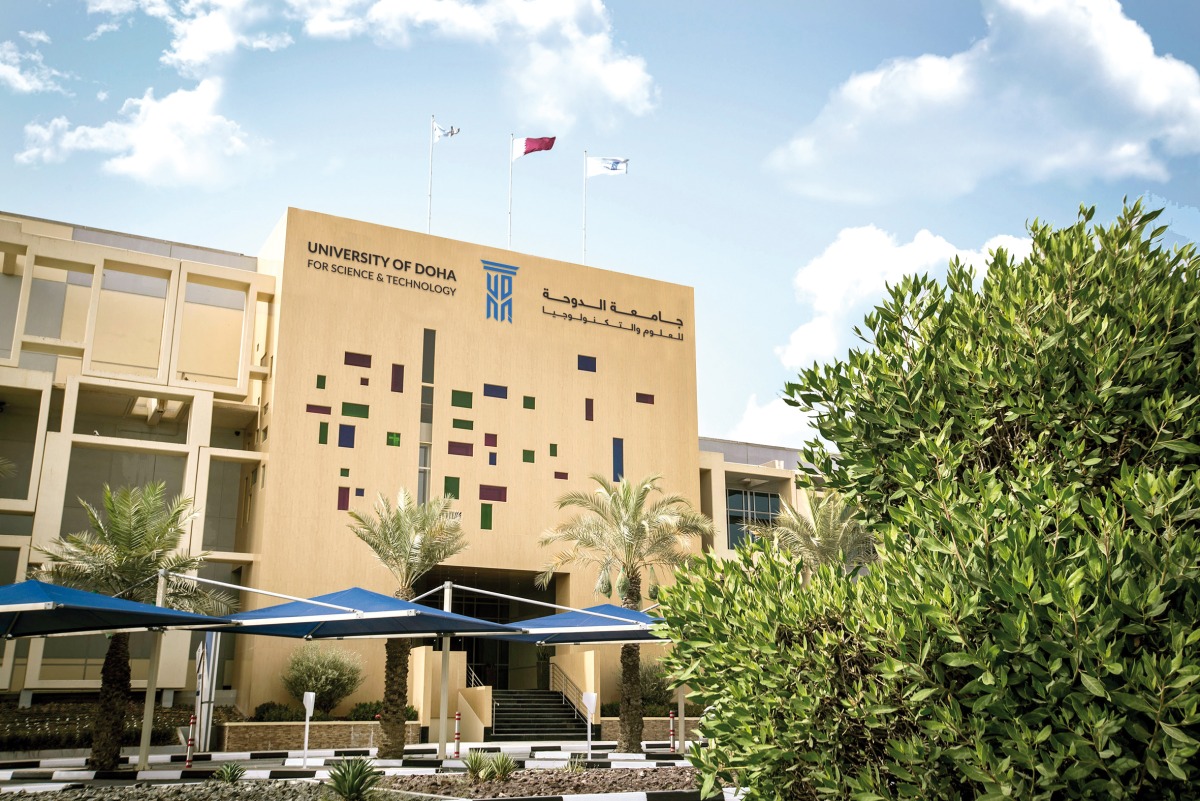
Doha, Qatar: The University of Doha for Science and Technology (UDST) has been awarded the MENASA NASPA Silver Award for Innovative Practices in recognition of its Student Mental Health Ambassadors (SMHA) programme, reaffirming the University’s commitment to student wellbeing, peer support, and creating a psychologically safe and inclusive campus environment.
The award was presented by NASPA MENASA, the Middle East, North Africa, and South Asia regional network of NASPA, which recognises excellence and innovation in student affairs and higher education initiatives across the region.
The distinction highlights UDST’s innovative and impactful approach to student mental wellbeing and positions the Student Mental Health Ambassadors programme as a leading peer-support initiative within higher education institutions across the MENASA region.
The Student Mental Health Ambassadors work closely with Student Counselling and Accessibility Services to promote mental wellbeing awareness and encourage students to seek support through peer-led engagement and outreach initiatives.
The programme reflects UDST’s continued efforts to strengthen student support systems and foster a campus culture built on empathy, connection, and wellbeing. Nicole Penney, Manager of Student Counselling and Accessibility Services at UDST, said: “Receiving the MENASA Merit in Innovative Practices Silver Award is a proud milestone for our team and a testament to the impact of the Student Mental Health Ambassador Programme.
“This recognition reflects our commitment to fostering a supportive and inclusive campus environment where student wellbeing is prioritised. We are grateful to our student ambassadors, whose dedication and leadership continue to create meaningful conversations around mental health and strengthen the sense of community across our campus.”
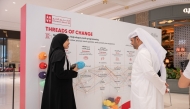
Among the programme’s key initiatives is the ‘Wellbeing Café,’ created to provide students with a welcoming and psychologically safe space to connect, participate in wellbeing-focused activities, and strengthen resilience among their peers.
The programme has also led several awareness campaigns aimed at reducing the stigma surrounding mental health, in addition to organising peer-led workshops that encourage open dialogue and student engagement.