DOHA: The recent drop in hydrocarbon prices, if sustained, could have a significant impact on the region’s economic and financial indicators. Bahrain and Oman are the most vulnerable to a decline in the hydrocarbon market, while Qatar and the UAE would be largely immune to the impact, Standard & Poor’s said in its “Industry credit Outlook”.
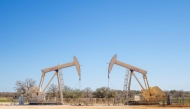
The ratings agency said crude spot oil prices have fallen by more than 25 percent from their mid-June high .The key drivers for the declines are likely to be the continued supply increase in North America, the Saudi move to cut crude prices to Asia, the strengthening US dollar, and softening demand from European and Asian economies. The resumption of shipments from Libya and continued production from Iraq despite conflicts have also contributed to the decreases. In addition, Saudi Arabia, the most influential member of Opec, has not cut output to support prices.
On an average, hydrocarbon revenues constitute 46 percent of nominal GDP and three-quarters of total exports of GCC countries, including Qatar. Therefore, the recent drop in hydrocarbon prices, if sustained, could have a significant impact on the region’s economic and financial indicators.
Low production costs continue to support the credit quality of GCC commodities producers. Industries Qatar (IQ) and Saudi Basic Industries Corp retain a large competitive advantage over naptha-based crackers in Europe and Asia, although the shale gas boom in the US and the US petrochemical industry’s resulting lower position on the cost curve has significantly changed the competitive landscape in ethane production.
The incremental North American supply may hurt product pricing in key export markets over the next few years or longer. Oil and gas producers or refiners and chemical companies have indicated they are planning to build several new ethane crackers in the US, while additional allocation in Saudi Arabia and Qatar remains limited, in S&P’s view. Shale gas exploration-already underway in Saudi Arabia and Oman — could provide an opportunity to address the region’s increasing gas shortage.
The S&P views the potential phase-out of government energy subsidies in the Mena region as a key risk to the sector. The IMF last year estimated that these subsidies account for 10 percent and 35 percent of government revenues for the GCC countries.
“Although it may be less pressing for oil-exporting countries than for importers, we still see a need for coordinated reform. The recent fall in oil prices and resultant pressure on government budget is likely to bring this issue to the fore, likely resulting in higher feedstock costs for commodities producers in the region over the coming years. We’ve already seen government price hikes for gas supplied to Qatar Fertilizer Company and Aluminium in Bahrain,” it said.
The Peninsula