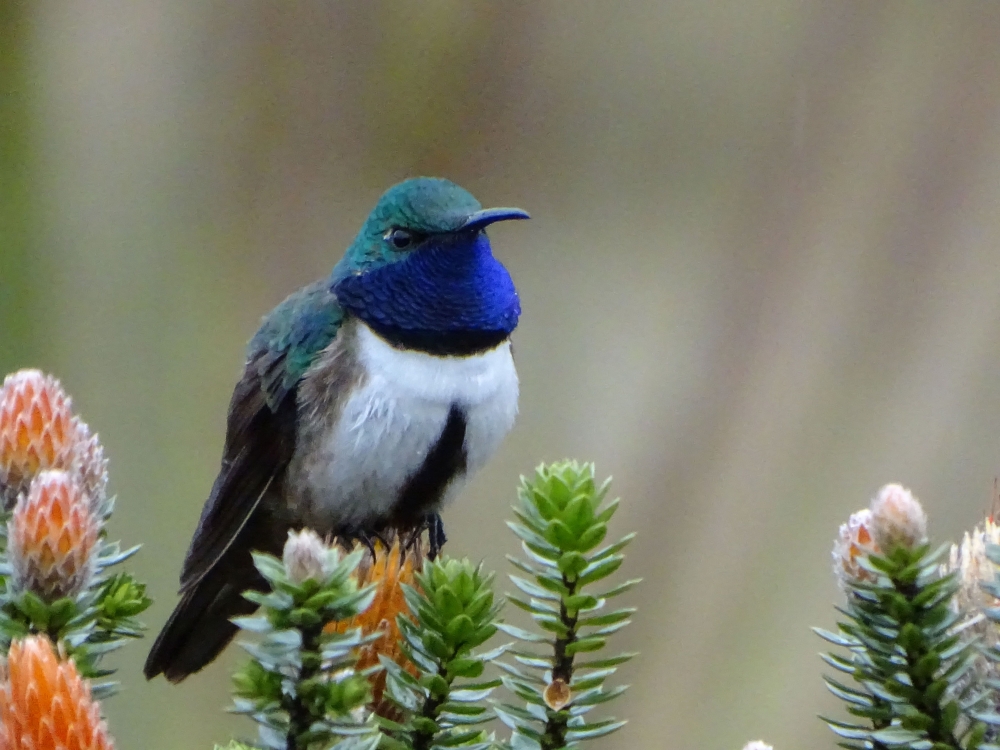
File photo
Paris, France: Noise pollution is affecting bird behaviour across the globe, disrupting everything from courtship songs to the ability to find food and avoid predators, a large-scale new analysis showed on Wednesday.
Researchers reviewed nearly four decades of scientific work and found that noises made by humans were interfering with the lives of birds on six continents and having "strong negative effects" on reproduction success.
Previous research on individual species has shown that single sources of anthropogenic noise -- such as planes, traffic and construction -- can affect birds as it does other wildlife.
But for this study, the team performed a wider analysis by pooling data published since 1990 across 160 bird species to see if any broader trends could be established.
The study, published in the journal Proceedings of the Royal Society B, found clear evidence of a "pervasive" impact of noise pollution on birds worldwide.
"We found that noise significantly impacts communication risk behaviours, foraging, aggression and physiology and had a strong effect on habitat use and a negative impact on reproduction," it said.
This is because birds rely on acoustic information to survive, making them particularly vulnerable to the modern din produced by cars, machinery and urban life.
"They use song to find mates, calls to warn of predators, and chicks make begging calls to let their parents know they're hungry," Natalie Madden, who led the research while at the University of Michigan, said in a statement.
"So if there's loud noise in the environment, can they still hear signals from their own species?"
In some cases, noise pollution interrupted mating displays, caused males to change their courtship songs, or masked messages between chicks and parents.
The study included many common species such as European robins and starlings, house sparrows, and great tits.