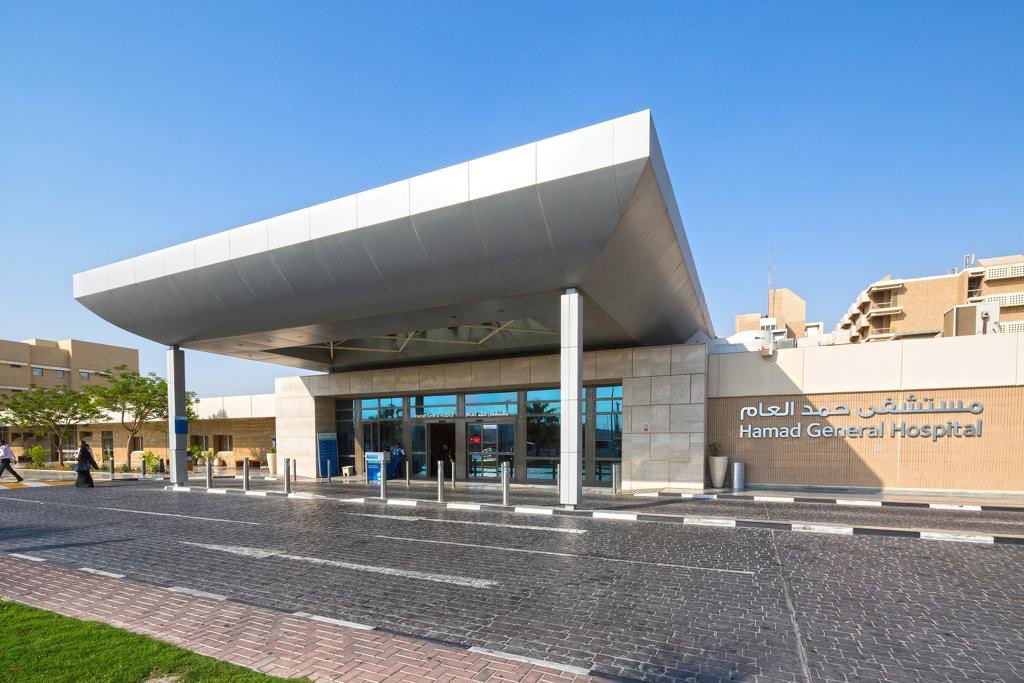
The clinic brings together oncology and vascular surgery expertise to ensure continuity of care and enhance the patient experience.
Doha, Qatar: Hamad Medical Corporation (HMC) has launched a new specialized clinic at Hamad General Hospital (HGH) to support cancer patients who require repeated intravenous treatments. The clinic provides specialized assessment to determine the most appropriate method of care tailored to each patient’s condition and treatment plan.
The clinic brings together oncology and vascular surgery teams from the National Center for Cancer Care and Research (NCCCR) and the Vascular Surgery Department at HGH. This provides a full picture of each patient’s needs related to intravenous treatment, and helps with planning and follow-up at every stage of treatment.
Many cancer patients require medications and treatments to be administered intravenously repeatedly during their treatment. Some patients may experience difficulty establishing and maintaining suitable venous access for treatment, particularly when treatment sessions are frequent and follow-up extends over a long period.
The clinic assesses these cases and determines the most appropriate option for each patient, while also monitoring their health needs and the type of treatment they receive. This helps medical teams plan for the patient’s needs and avoid unnecessary delays or difficulties during treatment.
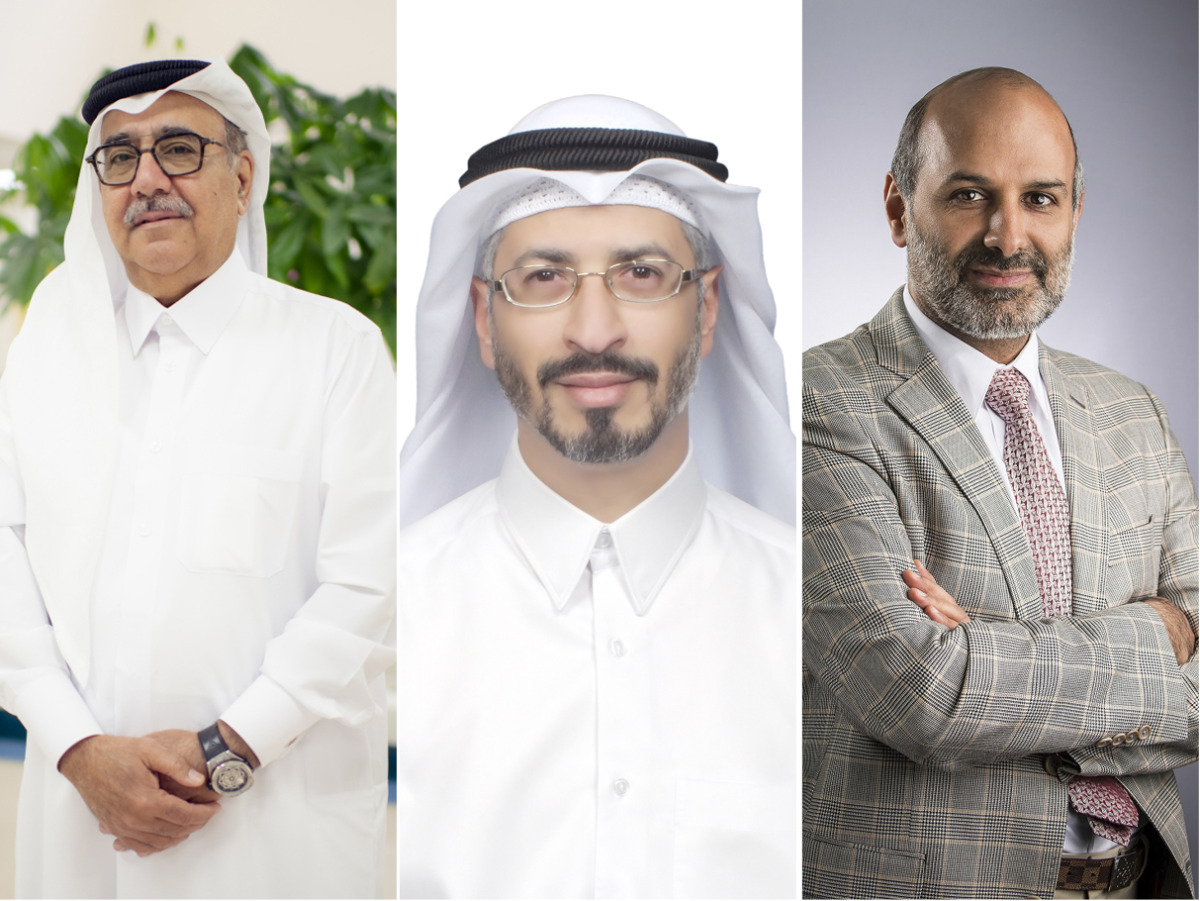
From left: Dr. Mohammed Salem Al Hassan, Medical Director and CEO of NCCCR and Chairman of Cancer Services at HMC, Dr. Al-Harith Al-Khater, Head of Oncology, Palliative Care and Urgent Care Services at NCCCR and Dr. Hassan Ali Saud Al Thani, Head of Trauma, Vascular, and General Surgery Department at HGH
Dr. Mohammed Salem Al Hassan, Medical Director and CEO of NCCCR and Chairman of Cancer Services at HMC, said: “We are committed to continuously developing cancer care services to meet patients’ diverse needs throughout their treatment journey. The launch of this clinic is part of these efforts, providing specialized care to address a critical challenge many patients experience during treatment”.
“Caring for cancer patients requires ongoing integration among different medical specialties and areas of expertise. We place great importance on this integration to ensure continuity and coordination of the services provided to patients and to address their needs,” added Dr. Al Hassan.
Dr. Al-Harith Al-Khater, Head of Oncology, Palliative Care and Urgent Care Services at NCCCR, said: “Some cancer patients require intravenous treatments over extended periods, and their needs may change as treatment continues. The clinic enables medical teams to assess these needs at an early stage and address them as part of the patient’s treatment plan, helping to facilitate the treatment journey and manage challenges that may arise.”
Dr. Hassan Ali Saud Al Thani, Head of Trauma, Vascular, and General Surgery Department at HGH, said: “Some patients may experience difficulty maintaining suitable venous access for treatment, particularly when intravenous treatments are administered repeatedly. Specialized assessment helps determine the appropriate options for each case based on the patient’s needs and the nature of their treatment.”
“This pathway enables cases requiring specialized assessment to be addressed in a timely manner and supports decision-making regarding venous access options according to each patient’s needs”.
One patient described their experience with the clinic, saying: “I used to feel anxious before my chemotherapy sessions because of the difficulty accessing my vein. Sometimes this meant having to make repeated attempts to insert the needle, which caused me pain and discomfort. After I was referred to the clinic, the team, along with the Vascular Surgery team, listened to my concerns and explained the option that was appropriate for my condition. They answered my questions clearly, which made me feel more reassured. After the appropriate catheter was inserted for my treatment, receiving my medications became easier and more comfortable.”