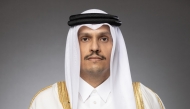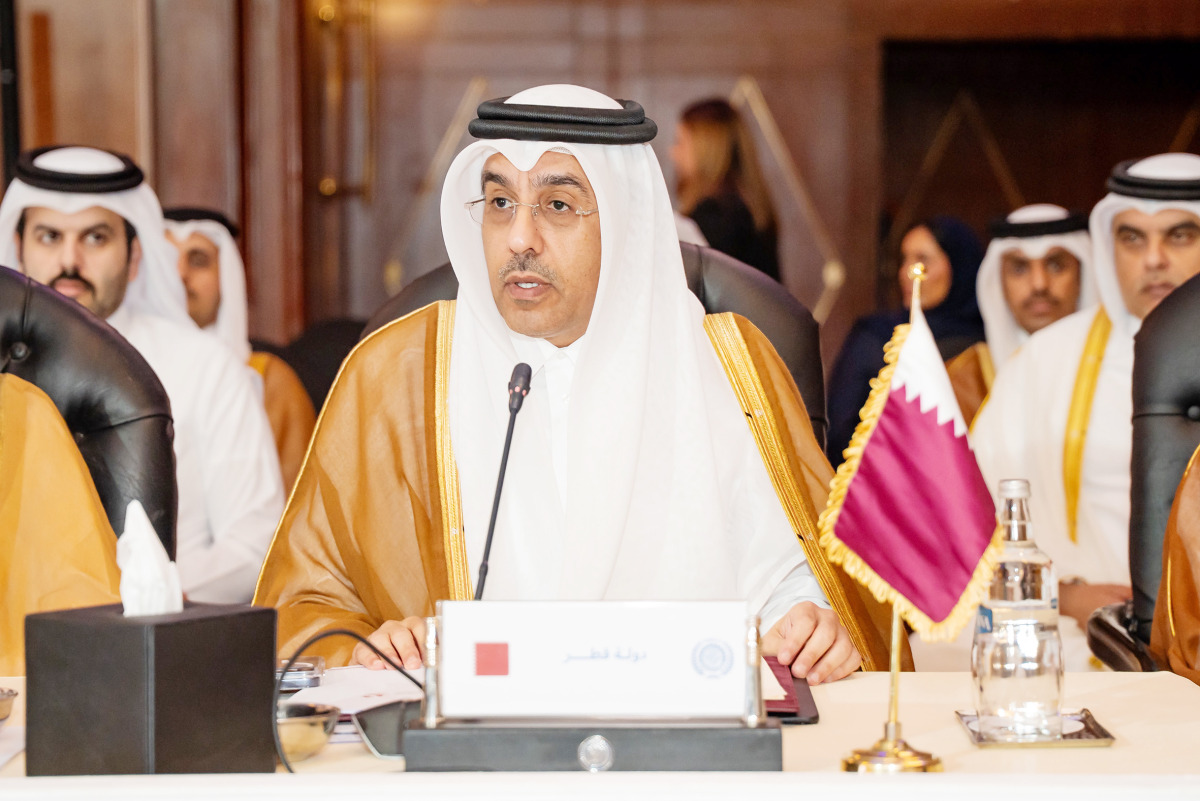
Minister of Labour H E Dr Ali bin Smaikh Al Marri speaking at the event.
Doha, Qatar: Minister of Labour H E Dr. Ali bin Smaikh Al Marri has said that rapid transformations in the world of work, driven by artificial intelligence, digital transformation and the growth of the green economy, are increasing the need for greater investment in skills and reskilling, closer alignment between education and training and labour market needs, and proactive planning for the future of work.
He said that Qatar’s labour market has undergone a continuous process of legislative and institutional reforms in recent years, aimed at creating a more flexible, efficient and sustainable system while strengthening the overall framework governing the labour market.
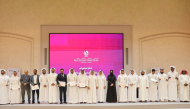
The Minister participated in the proceedings of the plenary session of the 52nd Arab Labour Conference, held in Cairo to discuss the report of the Director-General of the Arab Labour Organisation, with the participation of Their Excellencies the heads and members of delegations and representatives of the tripartite constituents from Arab countries, alongside representatives of relevant Arab and international organisations.
The Conference is discussing the report of the Director-General of the Arab Labour Organisation on the Organisation’s activities and achievements during 2025, in addition to a number of reports and files referred to the current session. These include the outcomes of the 45th session of the Committee on Trade Union Freedoms, held in Cairo in April 2026, and the outcomes of the 24th session of the Arab Committee for Women’s Labour Affairs, held in Kuwait last December.
He noted that the Director-General’s report likewise highlighted the challenges facing Arab countries as a result of conflicts and instability, as well as the need for development models that are more resilient and better able to respond to changing circumstances.
Al Marri explained that Qatar has placed people at the heart of its development policies, as embodied in Qatar National Vision 2030, which seeks to strike a balance between human, social, economic and environmental development, while building a diversified and competitive knowledge-based economy and investing in human capital.
He noted that, guided by this vision, Qatar’s labour market system has undergone a continuous process of legislative and institutional reforms in recent years, aimed at building a more flexible, efficient and sustainable labour market. These reforms have included the introduction of a non-discriminatory minimum wage, strengthening the Wage Protection System, developing regulatory frameworks governing labour mobility, enhancing labour inspection and occupational safety and health, and developing mechanisms for the settlement of labour disputes and access to justice.
Al Marri stressed that rapid transformations in the world of work, particularly artificial intelligence, digital transformation and the green economy, require greater investment in skills and reskilling, closer alignment between education and training and labour market needs, and proactive planning for the future of work. This will enable economies and workers to benefit from technological opportunities while limiting their impact on the groups most affected by these changes.