The programmes are expected to enable participants to prepare comprehensive defence and appeal briefs in terms of legal structure, logic and arguments, analyse legal texts and judicial rulings, and avoid common errors in legal drafting
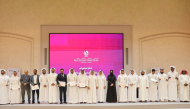
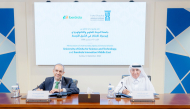
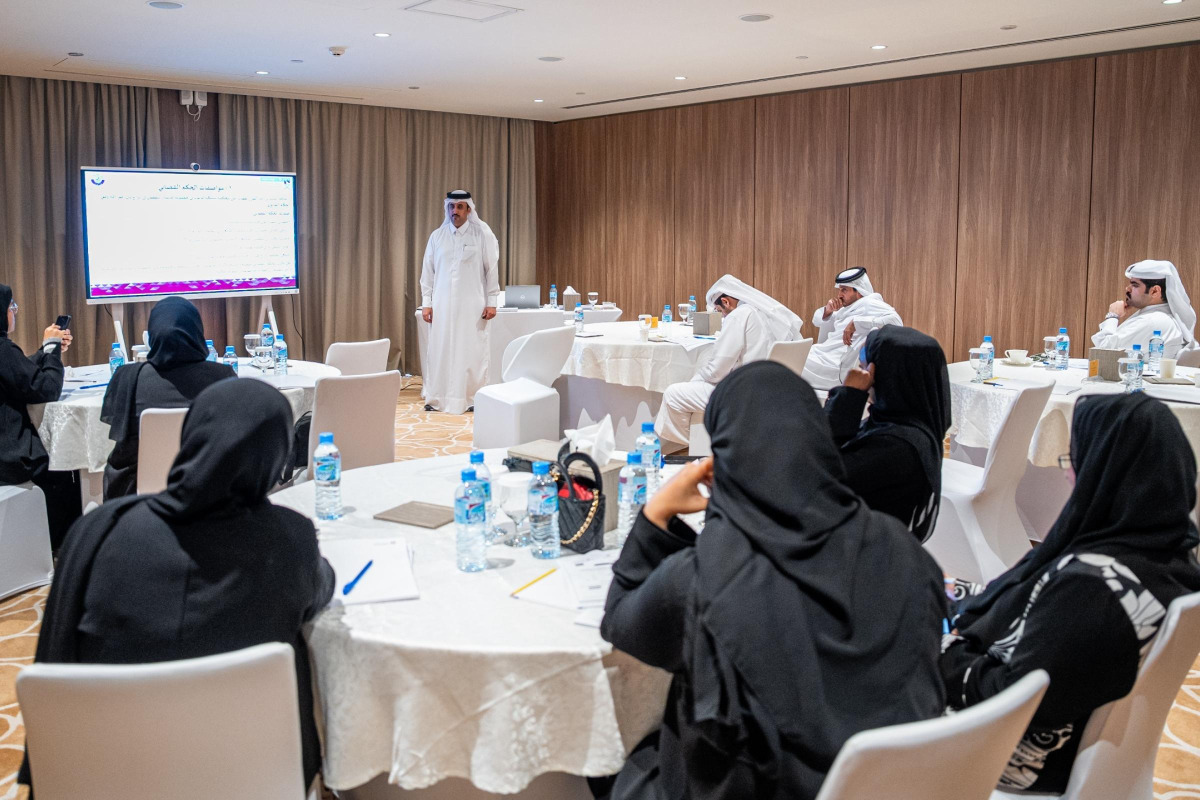
Doha, Qatar: Represented by the Centre for Legal and Judicial Studies, the Ministry of Justice (MoJ) launched three specialised training programmes, with the participation of a number of researchers and legal professionals working in various ministries and government agencies, as part of the implementation of the centre’s training plan, which aims to develop national legal capabilities and enhance the efficiency of professional practices in government agencies.
These programmes come within the framework of the MoJ’s efforts to invest in human resources, raise the readiness of legal personnel to keep pace with legislative and judicial changes, and equip them with the knowledge and practical skills that help them perform their work efficiently and accurately.
The training programmes include the skills in appealing civil and commercial judgments programme, while the legal and judicial sciences programme for assistant judges, organised by the MoJ in cooperation with the Supreme Judicial Council, was launched, as well as the provisions regulating expert work in Qatari law programme, which prepares for the licensing of the 40th batch of experts.
The programmes aim to refine the participants’ skills, develop their abilities to present convincing legal arguments before the courts, acquire skills in analysing judicial rulings, distinguish between formal and substantive errors and defects, build legal defences, arrange grounds for appeal, and ensure the integrity of legal drafting, in addition to practical training on writing appeal briefs, petitions for reconsideration, appeals by way of cassation, and the supervisory measures stipulated in Qatari legislation. The programmes are expected to enable participants to prepare comprehensive defence and appeal briefs in terms of legal structure, logic and arguments, analyse legal texts and judicial rulings, and avoid common errors in legal drafting.
On this occasion, Director of the Centre for Legal and Judicial Studies at the MoJ Dr. Abdullah Hamad Al Khalidi emphasized that organising these programmes comes within the MoJ’s keenness to develop the legal training system and build national competencies that possess the legislative knowledge and practical skills necessary to raise the level of legal work in government agencies.
Al Khalidi pointed out that the centre is keen to ensure that its training programmes are linked to the practical needs of lawyers in government agencies, and that they combine legal grounding with professional application, enabling participants to properly employ legislation and deal efficiently with the legal issues and risks they face in the work environment.