Representational image
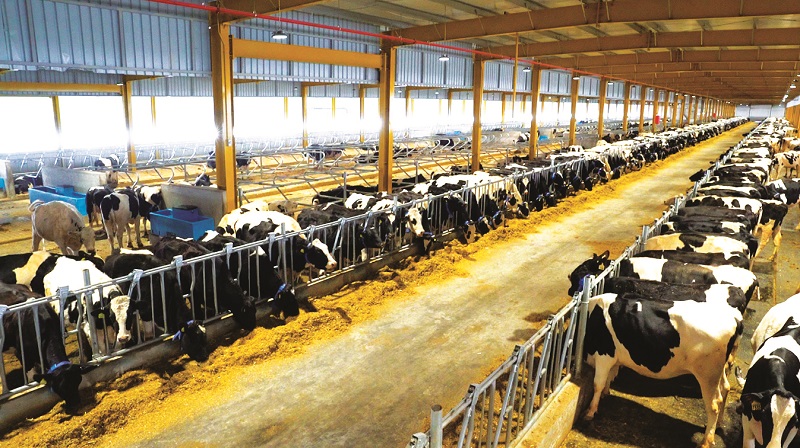
Doha, Qatar: Qatar is stepping up efforts to strengthen food security through sustainable farming practices and agricultural innovation, with domestic production meeting 99 percent of the country's needs for fresh poultry and dairy products, according to the Ministry of Municipality.
In a statement issued ahead of World Food Day on October 16, the ministry outlined initiatives to improve local food production, conserve natural resources and reduce environmental impacts, in line with the objectives of Qatar's National Food Security Strategy 2030.
Self-sufficiency indicators for 2025 showed that domestic production also covered 67 percent of demand for fresh fish and 47 percent for basic vegetables.
The ministry said Qatar was developing more efficient and sustainable food production systems, including the establishment of 96 hectares of cooled greenhouses, with a target of increasing productivity by 30 percent.
Other initiatives include improving fish farming technologies, introducing modern smart irrigation systems, expanding the use of alternative energy and strengthening plant and animal biosecurity.
Qatar is also working to make its food supply chains more resilient through digital management of strategic reserves, early-warning systems for supply chain disruptions, investment in green food production and refrigerated supply networks.
A national program to reduce food loss and waste, alongside digital platforms for licensing and project monitoring, forms part of the wider effort to improve the efficiency of the food sector.
The ministry also highlighted research into bio-based farming techniques conducted by its Agricultural Research Department, which tested the use of mycorrhizal fungi to improve crop growth.
The trials showed a 10-percent increase in plant growth and crop productivity compared with conventional farming, alongside improvements in soil properties and reduced reliance on chemical inputs.
The ministry said combining biological farming methods with modern approaches, including protected, hydroponic and vertical farming, could improve the efficient use of water and other resources while reducing waste.
Such techniques could also help local farms adapt to Qatar's desert climate and changing environmental conditions, supporting a more resilient and sustainable agricultural sector.
The ministry stressed that food security depends not only on increasing production but also on adopting responsible farming practices that protect natural resources and meet the needs of present and future generations.