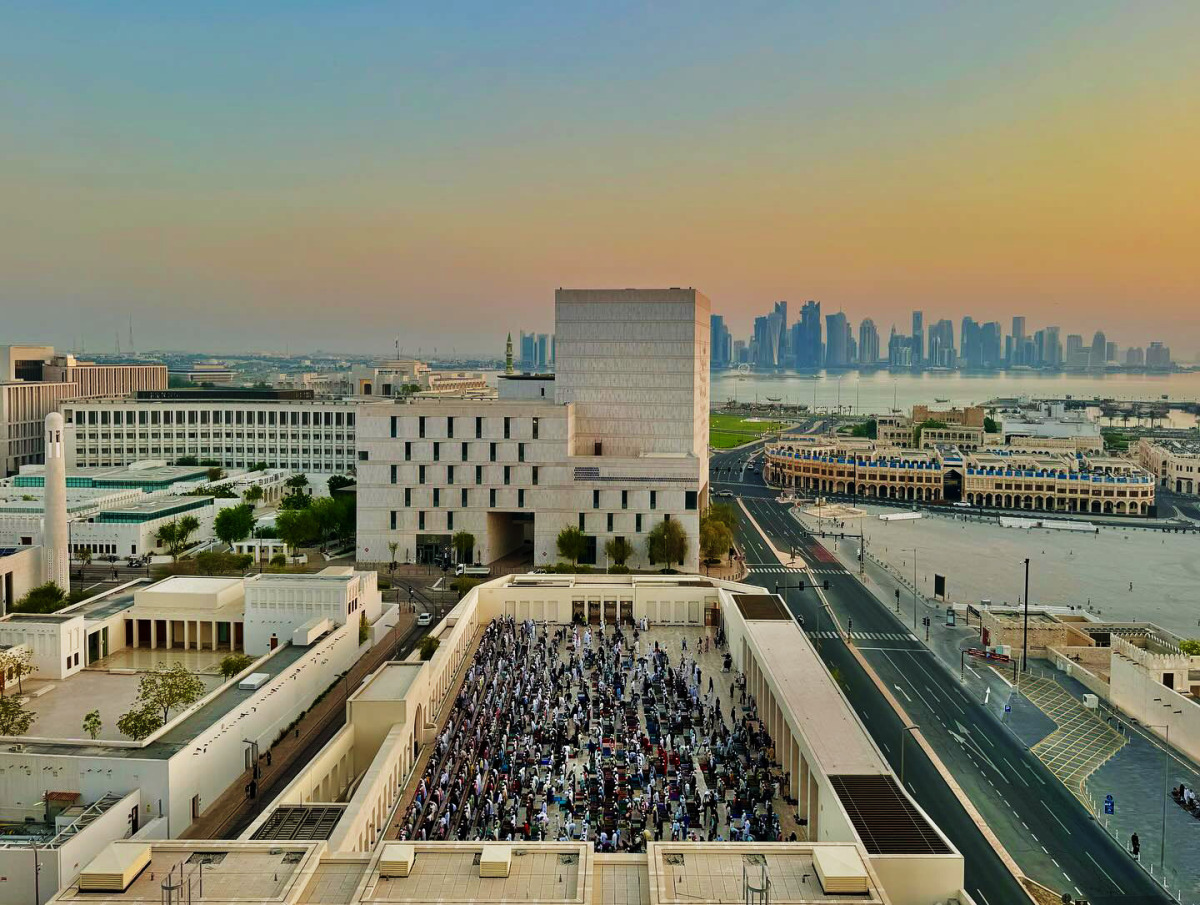
Doha, Qatar: The Qatar smart cities market size is projected to reach $10.9bn (QR39.68bn) by 2034, growing at a compound annual growth rate of 14.14 percent from 2026 to 2034, according to a market report by IMARC Group.
The report indicates that the market is currently experiencing robust expansion driven by the government’s steadfast commitment to digital transformation and sustainable urban development. The nation’s strategic investments in intelligent infrastructure, IoT-enabled systems, and integrated urban management platforms are rapidly reshaping metropolitan landscapes across the country.
Researchers at IMARC Group highlight that advancing smart mobility solutions, energy-efficient building technologies, and citizen-centric digital services are collectively strengthening the Qatar smart cities market share.
Within the primary focus areas, smart transportation dominates the market with a share of 34 percent, propelled by substantial government investments in intelligent traffic systems, metro network expansions, and autonomous vehicle pilot programmes. Under this segment, traffic management systems lead with a 30 percent share, owing to a heavy national emphasis on curbing traffic congestion and boosting road safety via AI-powered analytics and real-time monitoring infrastructure.
Market observers emphasise that sustainability initiatives are heavily mirrored in the smart buildings and utilities sectors.
Building energy optimisation exhibits clear dominance with a 38 percent share in the smart buildings market, reflecting strict adherence to Global Sustainability Assessment System (GSAS) certification requirements and advanced management systems.
Meanwhile, advanced metering infrastructure represents the largest segment within smart utilities at 42 percent, bolstered by nationwide smart meter deployment initiatives targeting complete electricity meter coverage.
Citizen-centric services are undergoing an equally profound shift as IMARC Group stresses that smart healthcare dominates this space with a 29 percent share, driven by widespread telemedicine platform adoption, electronic health record integration, and AI-powered diagnostic systems deployed across government medical institutions.
The data also notes that Doha stands out as the largest regional market with a 46 percent share, anchored by a dense concentration of government ministries, commercial headquarters, and signature developments like Msheireb Downtown Doha.