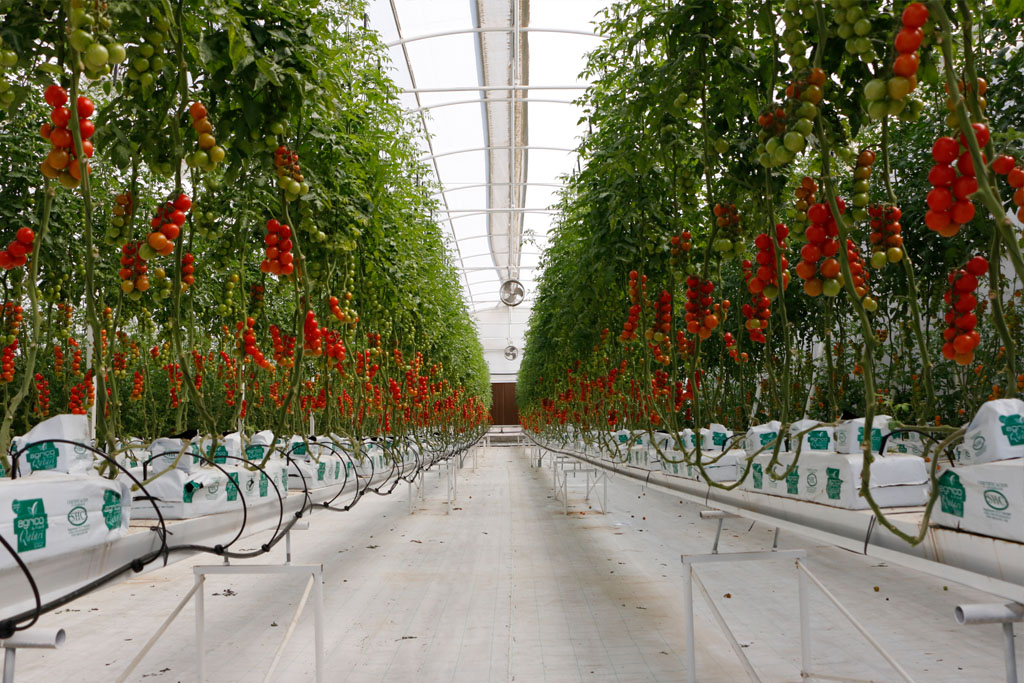
DOHA: Qatar is targeting a 30% increase in agricultural productivity through the development of 96 hectares of more sustainable, climate-controlled greenhouses, as the country steps up efforts to strengthen food security and expand local food production.
The initiative forms part of Qatar’s ongoing efforts to achieve the objectives of the National Food Security Strategy 2030 by developing a safe, sustainable and resilient food system that ensures the availability of high-quality food.
Marking World Food Day, observed annually on October 16, the Ministry of Municipality highlighted the importance of sustainable agricultural practices, bio-agriculture and modern farming technologies in improving local production, conserving natural resources and reducing the environmental impact of food production.
The development of climate-controlled greenhouses is among the measures aimed at improving agricultural efficiency and increasing domestic output in a country where high temperatures, an arid climate and limited water resources pose challenges to farming.
According to the ministry, Qatar is also advancing smart irrigation systems, developing aquaculture technologies, expanding the use of alternative energy and strengthening plant and animal biosecurity. These measures are intended to improve productivity, protect agricultural resources and enhance the of local food production. Qatar’s domestic production has already achieved substantial self-sufficiency in several food categories. Figures for 2025 show that the country reached 99% self-sufficiency in fresh poultry, milk and dairy products, while the rate stood at 67% for fresh fish and 47% for essential vegetables.
These indicators reflect the contribution of local farms and food producers to national food security efforts, while highlighting the importance of continued investment in agricultural infrastructure and technologies to further strengthen domestic supply.
The ministry said Qatar is also working to improve the of its wider food system in line with the National Food Security Strategy 2030.
Key initiatives include the digital management of strategic food reserves and the development of early warning systems to identify and respond to potential disruptions in supply chains.
Investment in green food production and cold-chain infrastructure is another priority, alongside a national programme to reduce food loss and waste. Digital platforms for licensing and monitoring projects are also being developed to improve resource management and support more efficient implementation of food security initiatives.
These efforts aim to strengthen the country’s preparedness for supply disruptions and emergencies while improving the efficiency of food production, storage and distribution.
Alongside investment in greenhouse infrastructure, the Ministry of Municipality is promoting bio-agriculture as a means of improving crop productivity while reducing reliance on chemical inputs and protecting the natural environment.
Bio-agriculture uses natural processes to support food production, including organic fertilisers, beneficial microorganisms and biological pest-control techniques. These practices can improve soil fertility, preserve biodiversity and enhance the efficient use of water and other agricultural resources.
The ministry noted that integrating bio-agriculture principles with modern farming techniques, including protected agriculture, hydroponics and vertical farming, can help reduce waste, improve productivity and strengthen the ability of local farms to adapt to Qatar’s climatic conditions.
The recycling of organic materials for agricultural use is also part of efforts to make production systems more sustainable by returning useful resources to the production cycle.
Research and field experiments are providing further evidence of the potential benefits of sustainable agricultural practices under local conditions.
Trials conducted in cooperation with the Ministry of Municipality’s Agricultural Research Department, represented by the Plant Research Section, examined several bio-agriculture techniques, including the use of mycorrhizal fungi.
The experiments recorded improvements in plant growth and crop productivity of up to 10% compared with conventional farming methods. They also demonstrated improvements in soil properties and reduced reliance on chemical inputs.
The results highlight the role of scientific research and cooperation among relevant entities in developing practical solutions that can be applied on local farms.
By improving crop performance and soil conditions, such techniques can contribute to more efficient agricultural production while supporting efforts to conserve natural resources and reduce environmental impacts.
The ministry stressed that achieving food security requires more than increasing agricultural output.
It also involves adopting responsible farming practices, improving water and energy efficiency, minimising waste and making greater use of technological innovation.