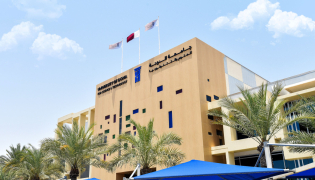
Praia, Cape Verde---On a typical February day in west Africa, Cape Verdeans are taking time to cool down as the island nation is buffeted by a rare unseasonal downpour.
For the scientists gathered in the archipelago's capital Praia, however, the rain is a worrying portent of the changing climate to which underdeveloped Africa is becoming increasingly vulnerable.
With each new decade the continent is witnessing more droughts, heatwaves and deadly floods like those that overwhelmed Malawi and Mozambique in January, according to experts at the African Ministerial Conference on Meteorology.
"Since 1950, nine of the 10 warmest years have been the 2000s so global warming is visible in Africa," says Andre Kamga Foamouhoue, of the African Centre of Meteorological Applications for Development in Niger.
While the continent of more than one billion people is no more exposed to extreme weather than other parts of the planet, Foamouhoue argues there are man-made factors which place Africans in more danger.
"The houses we build in Africa use very low resistance material because there is not much money, and people will build on flood plains because it is cheaper. So it is this set of phenomena that make Africa very vulnerable," he told AFP.
Jolamu Nkhokwe, director of the Department of Climate Change and Meteorological Services in Malawi, says farmers, fishermen and others often do not take prevention messages seriously, building homes in riverbeds and other low-lying areas.
"Culturally, people are living in villages, and there are village headmen who do not want to move out from certain places for fear that if they move... that land will be grabbed by another group of people," he says.
"So they keep clinging to the same flood-prone areas although they will be in danger of any flooding in that area."
- 'Getting the message' -
As January's floods in Malawi left hundreds dead, many more homeless and devastated crops, some observation stations were reporting record rainfall of nearly 400mm (15.7 inches) in one day, Nkhokwe told AFP.
"It's a matter of telling the people that there is climate change and we are bound to be getting more extreme rainfall... and people should not be staying in flood-prone areas anymore."
Atanasio Joao Manhique, director of Mozambique's National Institute of Meteorology, says people in flood plains often ignore alerts about rising water levels simply because they have no experience of the unprecedented danger.
"You see, people are used to living in a place. They have been there for 10 years they have never seen (this)," he told AFP.
In Chad, a country where the televised weather report has only existed for a few years, climate change has been off the radar, says Haoua Acyl, the Secretary of State for Civil Aviation and Meteorology.
"We have been through 20 or 30 years of war, so meteorology definitely wasn't initially a priority," she said.
"But now we have a development: there is peace, there is stability, and we are now trying to work towards changing that."
AFP