By Armstrong Vas
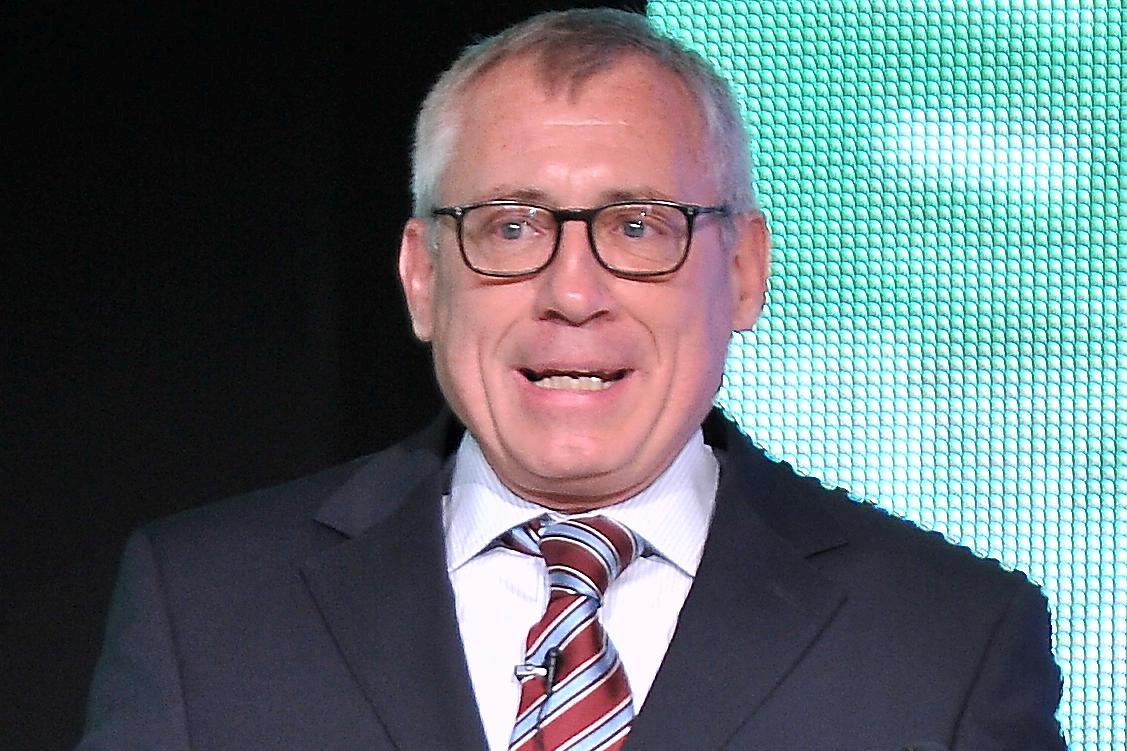
DOHA: The World Cup is the biggest money spinner for the football governing body and revenue from it helps FIFA to carry out development works in different regions, said Jurgen Muller, Head of Planning & Infrastructure at FIFA.
“The World Cup finals is the biggest revenue generator for FIFA. Funds generated from the World Cup is then distributed among the members, which helps in the football development in various countries. The funds help in various development projects carried by affiliated
members of the FIFA family. All other World cups, like the Clubs World Cup and other events are all subsidized events,” said Muller, while
speaking at the two-day World Stadium Congress which began here on Tuesday. Almost 70% of revenue flows back into football development in the form of financial support, development programmes and funding competitions.
Approximately 90 per cent of FIFA’s revenue is generated through the sale of television, marketing, hospitality and licensing rights for
the FIFA World Cup. The revenue from the commercialisation of these rights and sufficient equity is of crucial importance to FIFA because,
in addition to funding its range of development programmes and covering general running costs, it must also finance the organisation
of various international tournaments, including, most notably, the FIFA World Cup.
Muller delivered the conference’s keynote address titled ‘FIFA Expectations: Preparing the World for Future World Cups’ which
outlined the necessary stadia requirements and specifications a venue must meet in order to uphold FIFA World Cup standards.
Elaborating further Muller said the FIFA showpiece event has an appeal which is unmatched.
“The last World Cup was watched by 3.3 billion people and approximately 46% global population watched the action. The final match of the last world Cup in Brazil was viewed on television by over 900 million people,” he added.
In his role of Head of Planning & Infrastructure at FIFA, Muller is responsible for the bidding, venue planning, modifications, and delivery for all FIFA tournaments. He’s also overseeing the 2022 FIFA World Cup in Qatar.
The 2014 World Cup generated $4.8 billion in revenue for FIFA compared to $2.2 billion in expenses. Over the four-year cycle, the event
turned a $2.6 billion profit.
FIFA made $2.4 billion in TV rights fees, $1.6 billion in sponsorships, and $527 million in ticket sales.
Much of FIFA’s World Cup spending went to participating teams and confederations ($476 million) and TV production costs ($370 million).
FIFA contributed $453 million to the local organizing committee between 2011 and 2014, and gave Brazil a $100 million “legacy” payment
after the tournament.
However, FIFA didn’t contribute to the real costs of staging the tournament — stadiums and transportation infrastructure.
The tournament cost an estimated $15 billion, a significant portion of which was public money. Brazil spent $3.6 billion building and
renovating 12 stadiums for the tournament.
The Peninsula