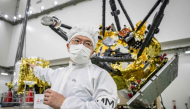
Muscat: Industrial investment across the Gulf Cooperation Council (GCC) countries has reached approximately $426 billion, underpinning a manufacturing base of nearly 22,000 factories that employs more than 1.7 million people, according to the latest data from the Statistical Center of the Cooperation Council for the Arab Countries of the Gulf (GCC-Stat), available through July 2026.
Manufacturing contributed around 13% of the GCC's gross domestic product (GDP) in 2025, highlighting the sector's growing importance to economic diversification and efforts to broaden the region's non-oil economic base.
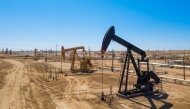
Around 40% of industrial investment is concentrated in key sectors, including plastics, refined petroleum products, aluminum, gaseous fuels, and iron and steel. These industries provide a foundation for deeper integration across regional industrial value chains.
Industrial products account for approximately 69% of the GCC's total exports. Key export categories include petroleum gases and hydrocarbons, petroleum oils, automobiles, organic chemicals, aluminum, ships and boats, and electrical machinery and equipment.
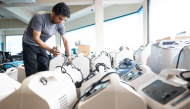
China is the GCC's largest source of imports, accounting for around 20% of total imports. Major imported goods include machinery and equipment, automobiles, pharmaceutical products, iron and steel, and plastics.
The figures point to the scale and breadth of the GCC's industrial base, although investment levels and factory numbers vary among member states. As production capacity expands and investment and trade networks grow, industry is positioned to play a greater role in supporting economic growth, strengthening regional industrial integration and developing value chains. Further opportunities lie in localizing more stages of production, diversifying the economic base and improving the competitiveness of GCC-made products in regional and international markets.