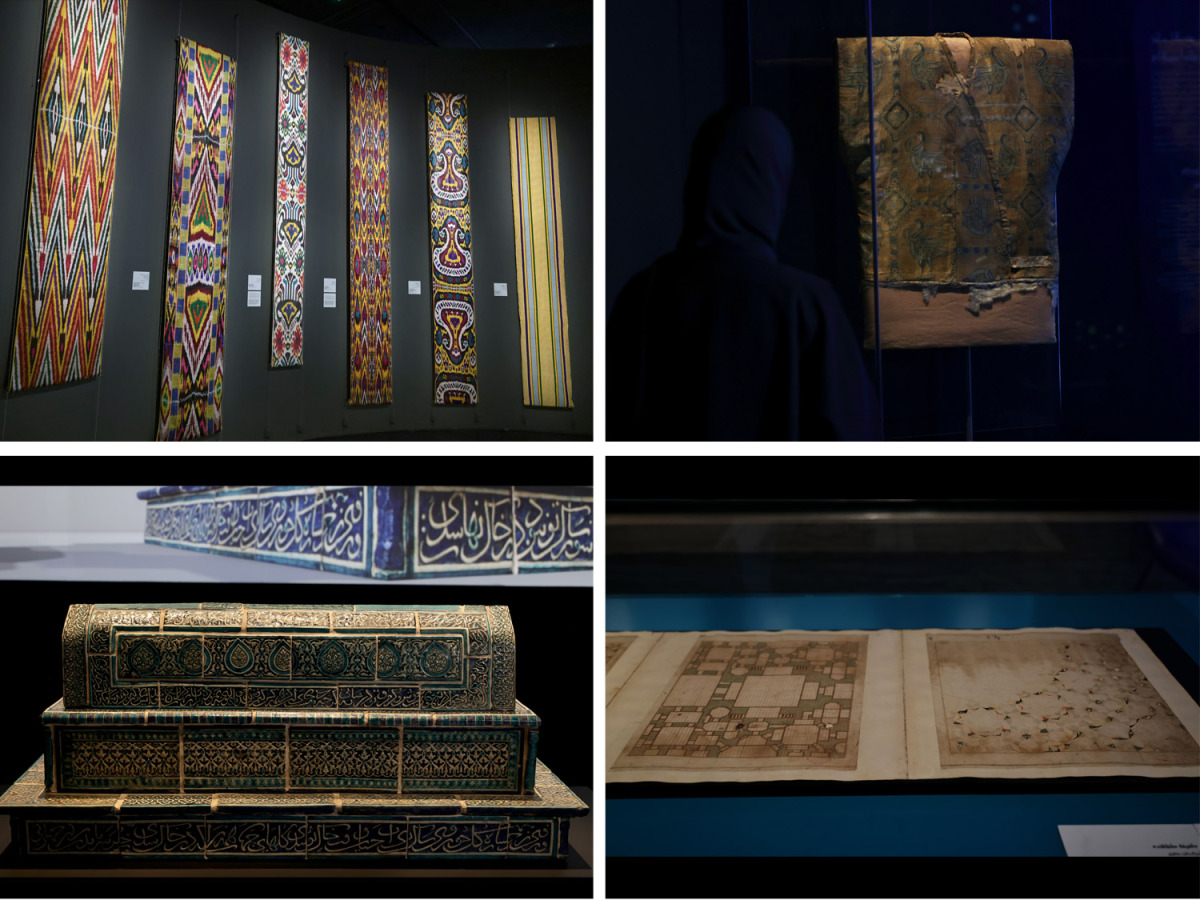
Clockwise from top left: Embroideries displayed at the exhibition, silk robe worn during earlier centuries, 16-century Tashkent Scrolls, and a centuries-old cenotaph. All pictures by Salim Matramkot / The Peninsula
Doha, Qatar: The Museum of Islamic Art’s (MIA) exhibition, ‘Uzbekistan: Heritage in Motion’, explores cultural heritage as a living legacy that continues to shape the present, challenging the idea of history as something static, preserved in the past.
Through different aspects of Uzbekistan’s cultural legacy, the exhibition explores the relevance of its traditions and their place in the lives of its people today. This idea of continuity is reflected in the works selected for the exhibition, each offering a glimpse into the traditions, craftsmanship and cultural influences that have shaped Uzbekistan across generations.
Must-see works in the exhibition
Speaking to The Peninsula, the exhibition’s curator, Anastasiya Silkatcheva, highlighted several significant works that visitors should not miss.
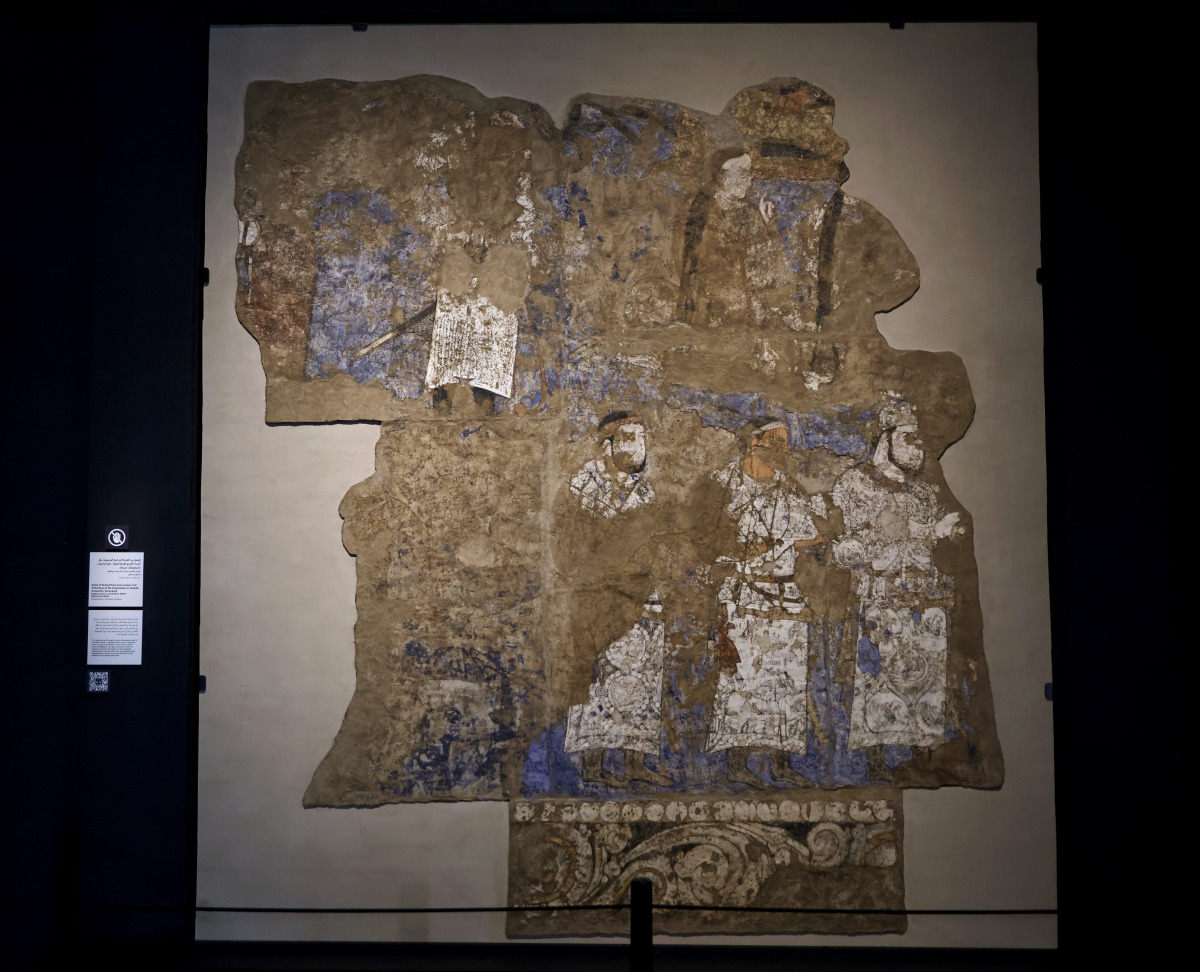
Among these is a fragment of a wall painting that once covered the western wall of a building uncovered by archaeologists in Afrasiab, the site of ancient Samarqand. This is the first time this section of the wall painting has left Uzbekistan.
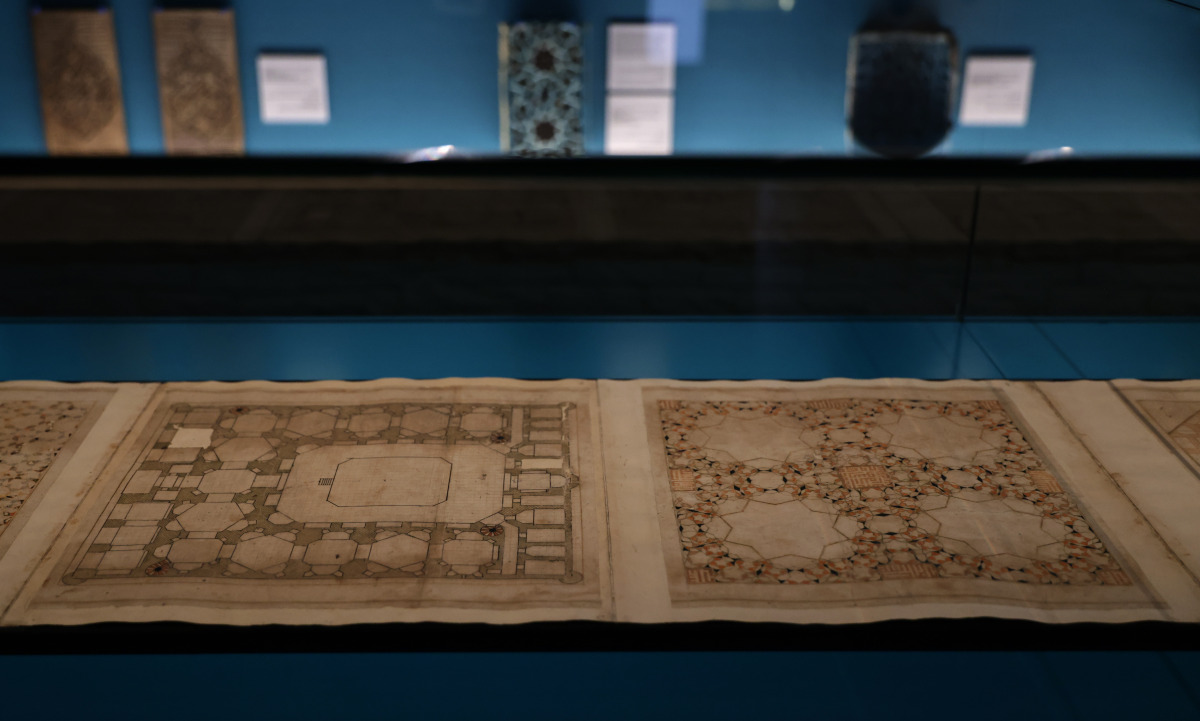
In the second section, Silkatcheva recommended that visitors look at the 16th-century Tashkent Scrolls, which bears a series of architectural plans and decoration typical of buildings from the Timurid period a couple of centuries earlier. According to Silkatcheva, research indicates that similar scrolls were still used by Uzbek master architects into the 20th century.
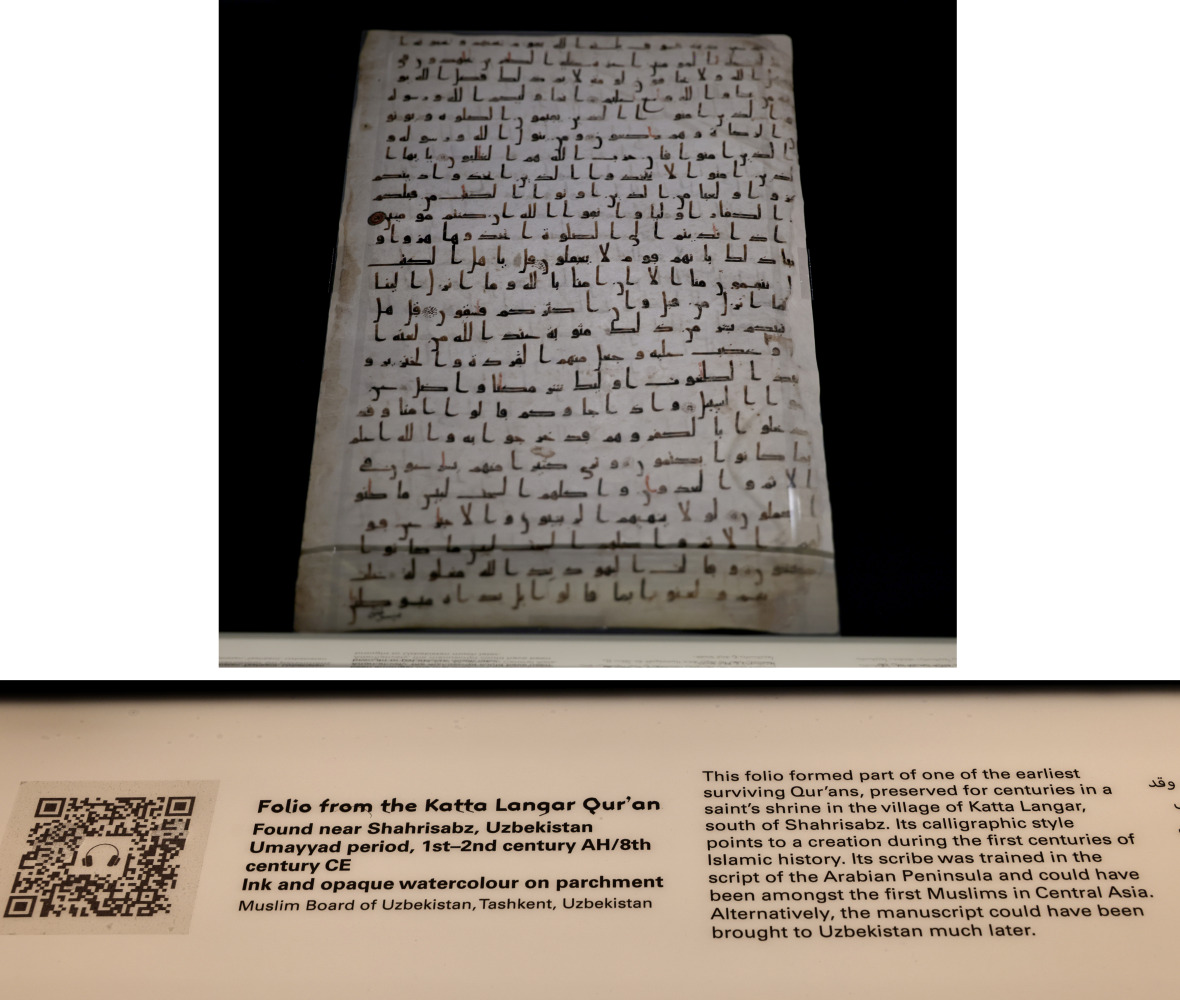
Another significant object in the third section is a folio (page) of the Katta Langar Qur’an, uncovered in a saint’s shrine in the town of Katta Langar near Shahrisabz. Silkatcheva stated that "based on the style of its Arabic script it can be identified as one of the earliest Qur’ans that survive, dating to the 8th century, shortly after the revelation of Islam."
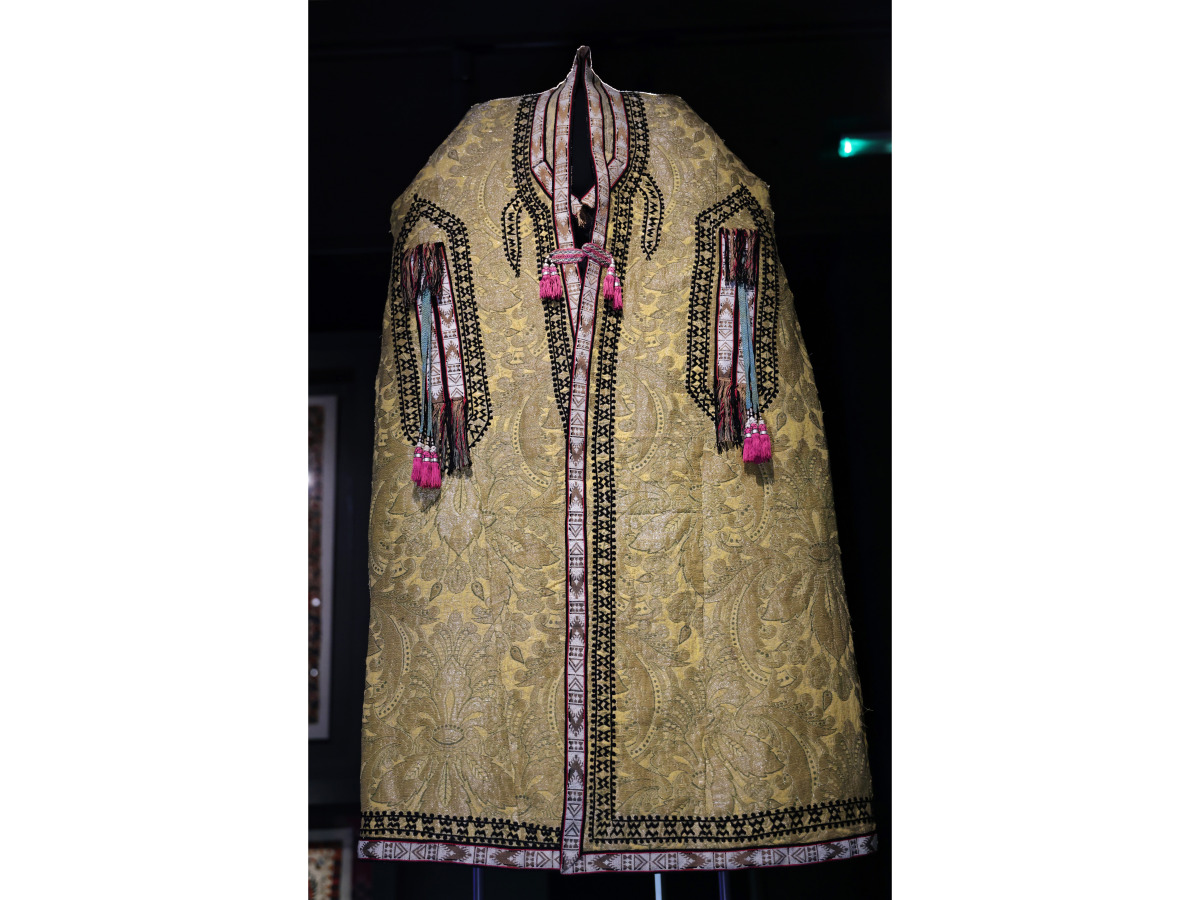
Finally, one of the most interesting pieces in the last section is the yellow paranja, or full-body veil for women. Photographs displayed nearby show how it was worn in the early 20th century.
Uncovering poetry from a centuries-old cenotaph
But among the exhibition's many objects, one carries a compelling story that has become most memorable to Silkatcheva.
"My favourite object is the cenotaph from Khiva, which we display in an intimate space evocative of a mausoleum of the Timurid period (14th-early 16th century CE)," she said.
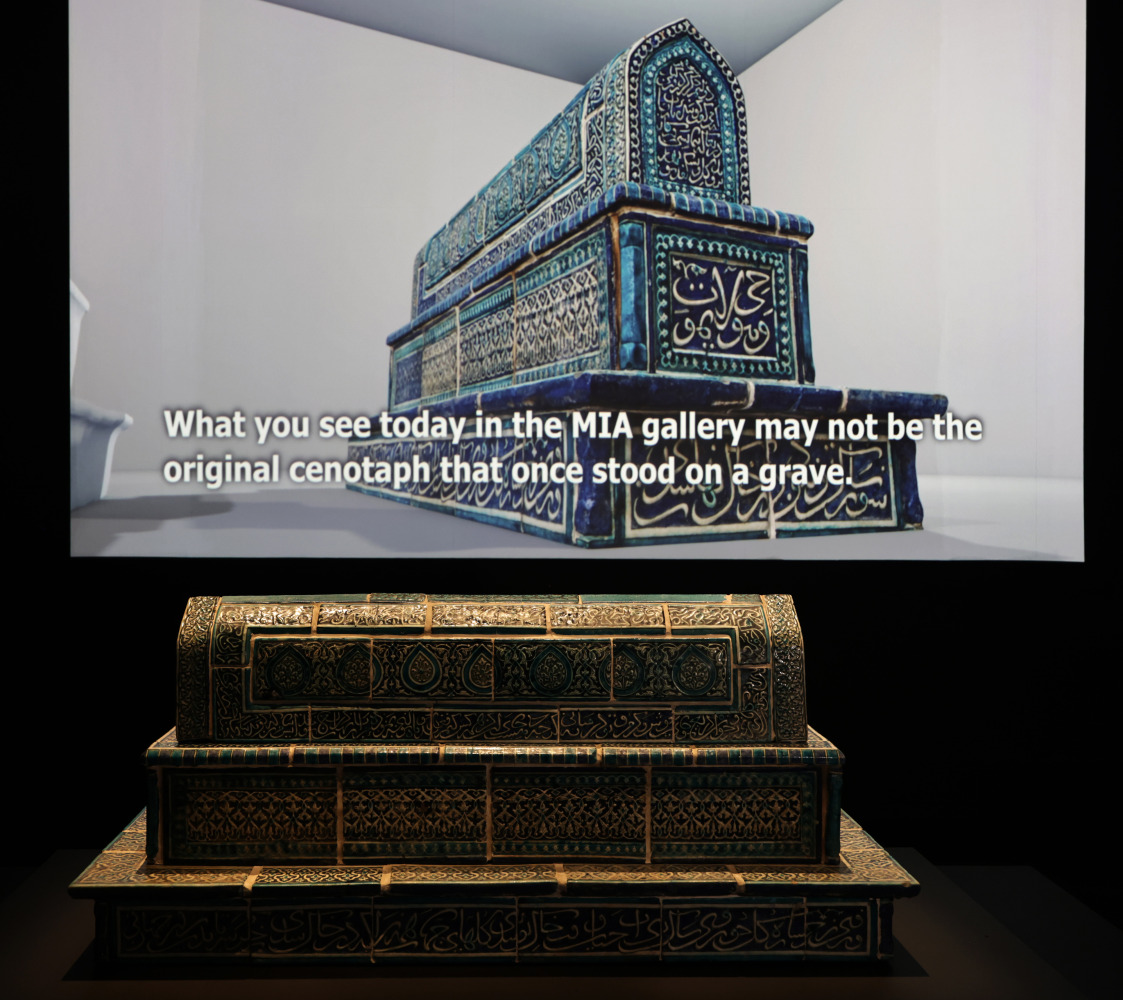
Its fascinating story was uncovered through research by former MIA curatorial fellow Dr Mohammad Farsimadan, who discovered that the cenotaph’s Persian inscriptions had been scrambled when its tiles were dismantled and reassembled in an incorrect order. He then reconstructed the object, restored the text, and revealed a deeply moving poetry.
"These words turn out to form lines of profoundly moving mourning poetry written from the perspective of the one left behind after the death of a beloved," she said.
"Watching this unfold is a deeply emotional experience, enhanced by the presence of the object itself in front of you," she added.
According to Silkatcheva, some of these poems continue to be recited in funerary contexts across Central Asia today, including in Uzbekistan.
Presenting heritage as a living legacy
Although the objects span different periods and represent varied aspects of Uzbekistan’s heritage, they are united by one central idea: the traditions and knowledge they embody continue to hold meaning in the present day.
Speaking to The Peninsula, Silkatcheva said this idea of continuity guided both the exhibition’s thematic approach and the selection of works. The exhibition explores Uzbekistan’s built environment, the intellectual legacy of its early scholars and artists, and its craft traditions and practices.
"The idea of persistent relevance into the present day was the main driving principle and connecting thread," she stated.
The selection brought together objects from the collections of MIA and other Qatari institutions, many of which are being displayed for the first time, alongside works from institutions in Uzbekistan.
"I focused on pieces that were not only significant of their own accord but could also attest to the idea of continuity through time, whether on their own or grouped with other works," she added.
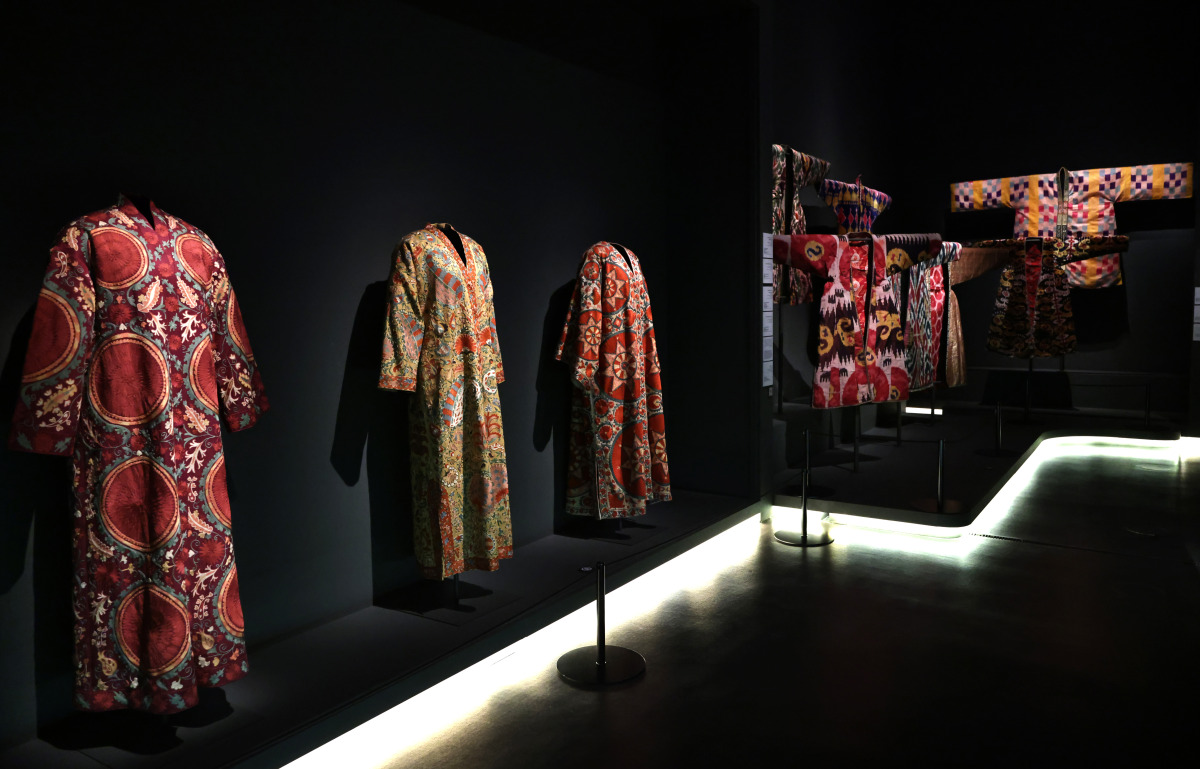 A display of local dresses in Uzbekistan
For Silkatcheva, the exhibition offers a broad look at the elements that continue to shape modern Uzbek culture, presenting heritage as a living legacy rather than something preserved solely as a reminder of the past. This was the central idea she wanted to convey to local and international audiences in Qatar.
This approach is also reflected in the exhibition’s title, ‘Heritage in Motion’, which highlights how Uzbekistan’s cultural traditions continue to evolve rather than remain frozen in the past.
Silkatcheva said she expected that many visitors would know little about Uzbekistan beyond its Silk Road cities. She sees this as an opportunity to introduce audiences in Doha to the country’s history, cultural significance and enduring heritage.
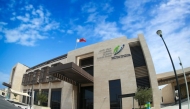
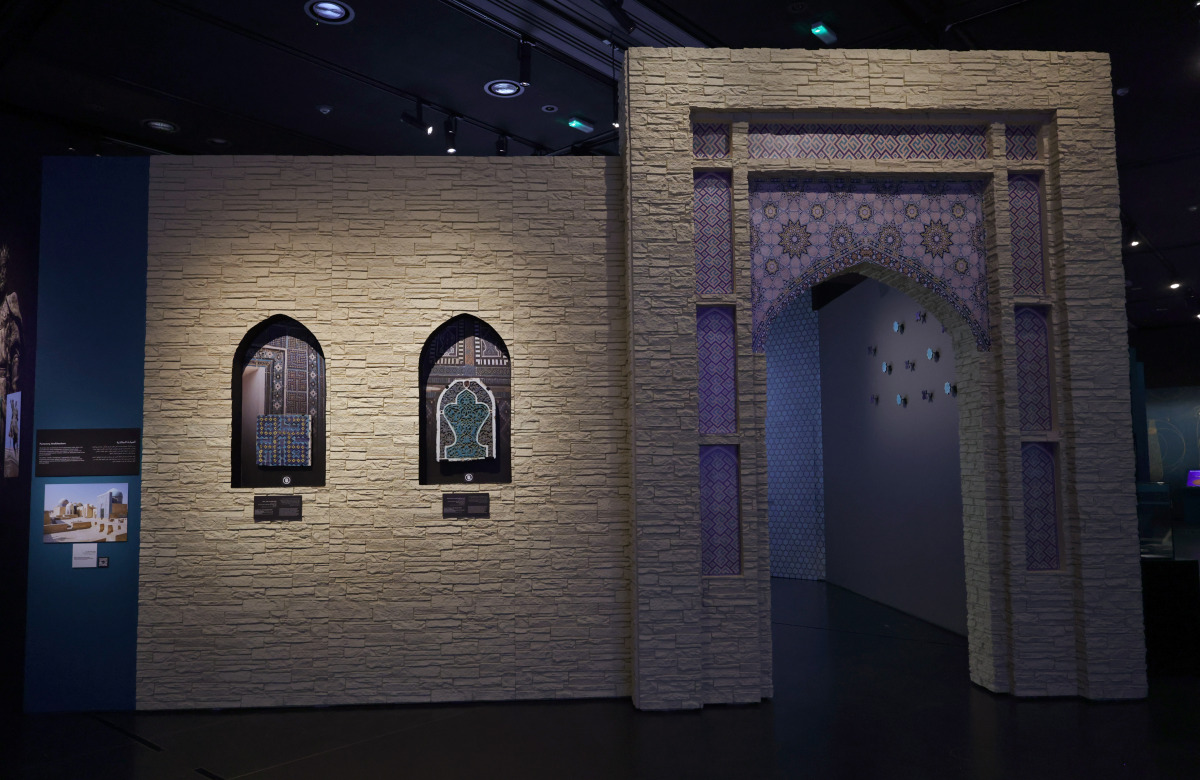
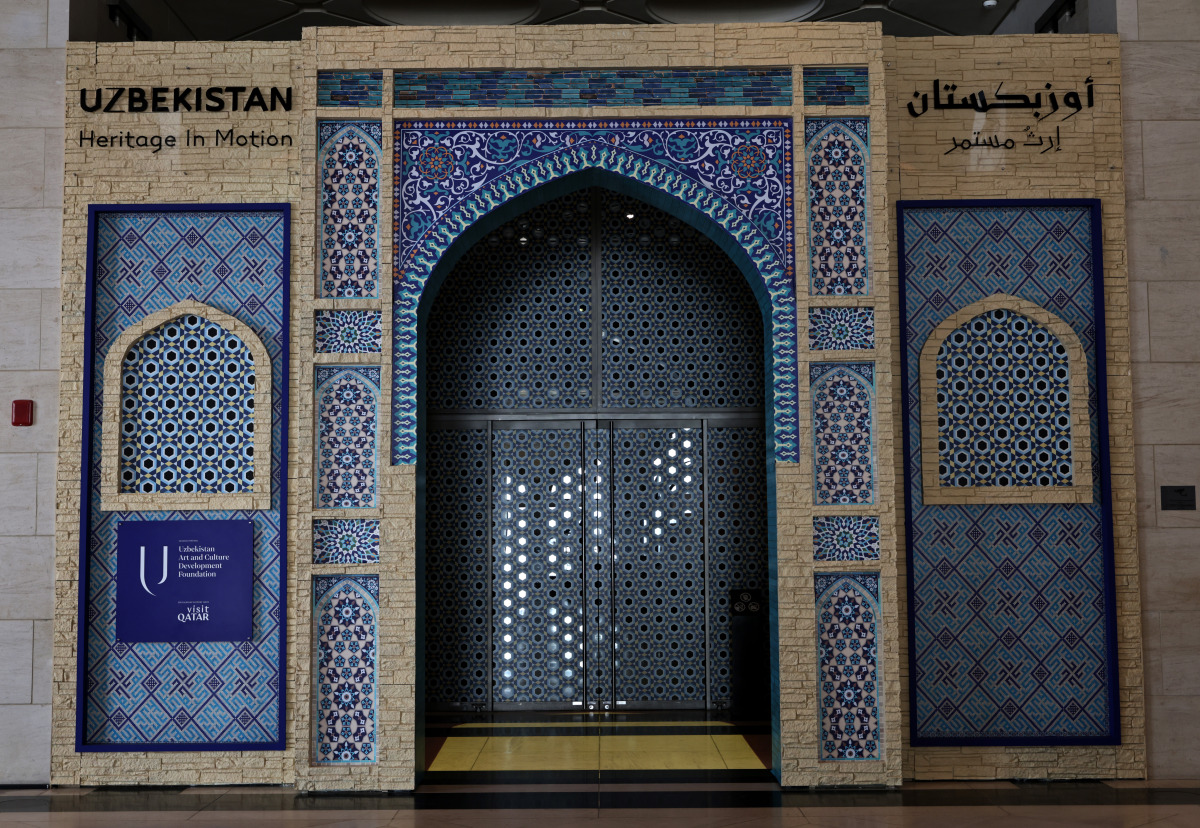 Entrance to the exhibition at MIA
"I hope our visitors come away with a sense that Uzbekistan is more than its historical monuments, that the country’s historical legacy continues to be vibrantly relevant to the people of Uzbekistan today," Silkatcheva said.
"I also wish for the exhibition to spark reflection on how the historical traditions of visitors’ own countries live on in their cultural practices and understandings."
"Heritage survives not because it remains rigid and unchanged, but through adaptation and reimagining by successive generations," she added.
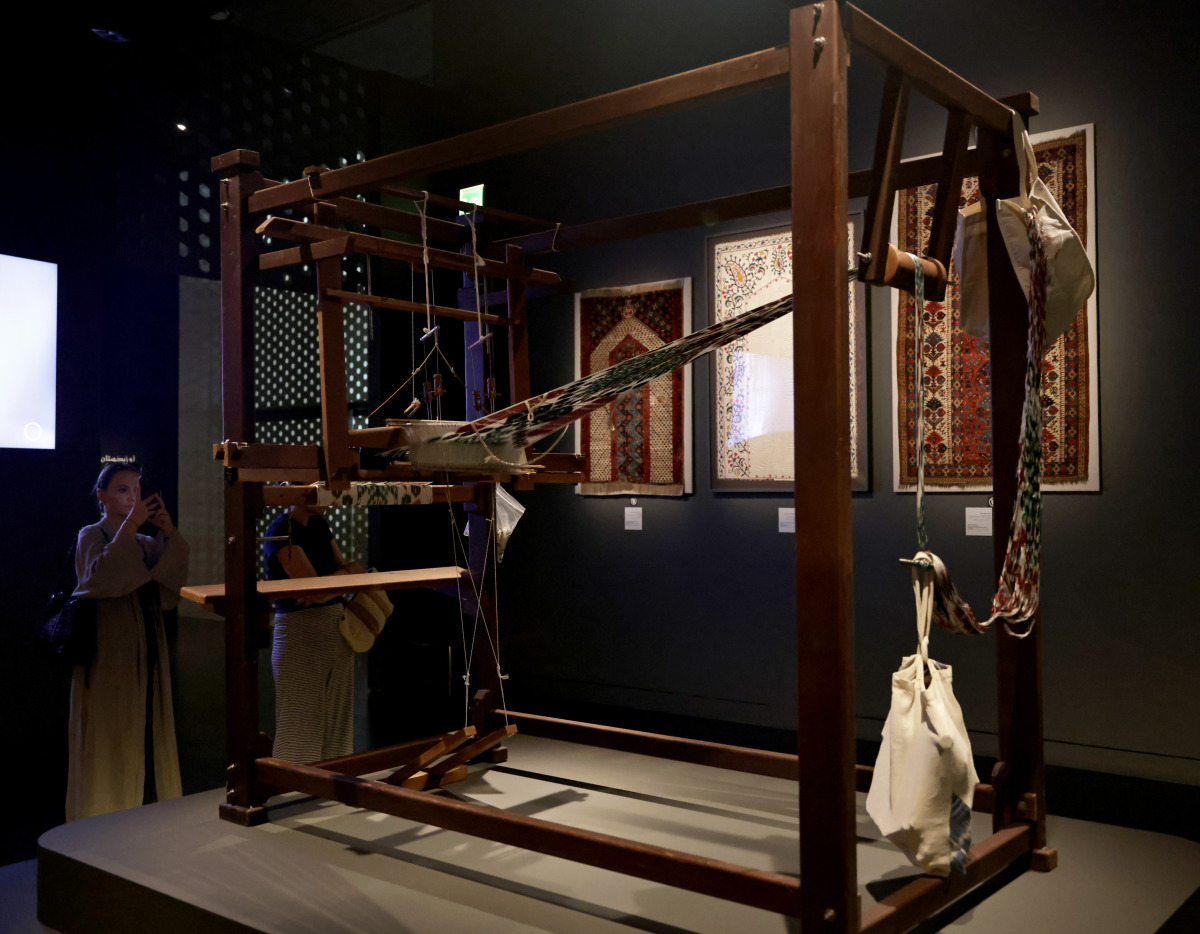 Working loom displayed at the exhibition
Future collaborations and cultural exchange
Beyond the exhibition, Silkatcheva pointed to future collaborations between Qatar and Uzbekistan following the signing of a five-year partnership between the two countries.
"There are indeed a lot of exciting initiatives in development between the Uzbekistan ACDF and various Qatari institutions," she said.
"We can expect to see the fruits of their collaboration in the fields of fashion, design and many other aspects of the cultural sector, including artist residencies. With a range of new and upcoming projects, this is a truly transformative period in the cultural history of both countries," she added.
The exhibition is on view at the Museum of Islamic Art until November 28, 2026.