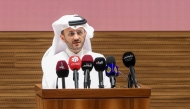
Doha, Qatar: The Qatar Social and Cultural Centre for the Blind (QSCCB) organised a lecture on psychological burnout, presented by Advisor to the Qatar Society for Rehabilitation of Special Needs (QSRSN), Dr. Tarek Al Aisawi, with the aim of raising awareness of the concept of burnout, its most prominent causes, symptoms, ways to deal with it, and how to prevent it.
The lecture addressed the concept of burnout as a state of physical, emotional, and mental exhaustion resulting from continuous exposure to stress and tension for long periods without sufficient rest. It was further explained that burnout is not limited to the psychological aspect, but may also affect the body. Among its most prominent signs are, constant exhaustion and depletion, headaches, rapid heartbeat, sleep disturbances, lack of energy, and a decline in the ability to concentrate and achieve.
Dr. Al Aisawi addressed the signs that may point to burnout, including waking up feeling fatigue, losing interest in everyday activities, feeling that the effort made is worthless, craving isolation and withdrawal, postponing the simplest tasks, in addition to feelings of failure and guilt, and a decrease in efficiency and ability to perform daily tasks.
The lecture also addressed the difference between normal fatigue, burnout, anxiety, and depression, explaining that burnout is often linked to accumulated depletion as a result of continuous stress, while emphasising the importance of paying attention to the persistence of symptoms and their impact on daily life, and seeking specialised help when needed.
The lecture also introduced solutions, as in ways to deal with burnout, which begin with acknowledging the problem and the feeling of exhaustion, paying attention to sleep, movement and nutrition, reducing stimulants, setting clear boundaries in dealing with others and tasks, and not feeling the need to be available all the time.