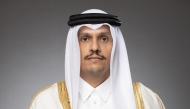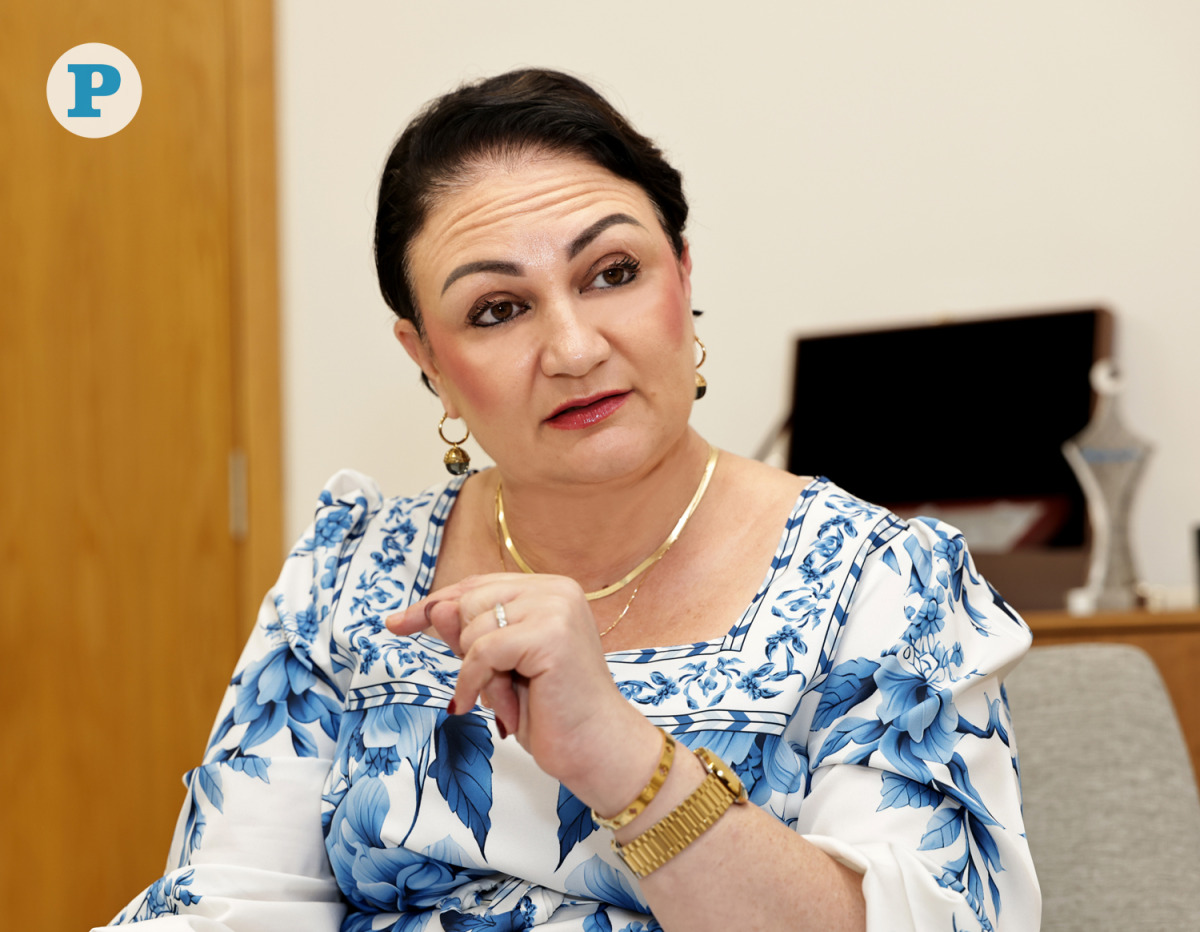
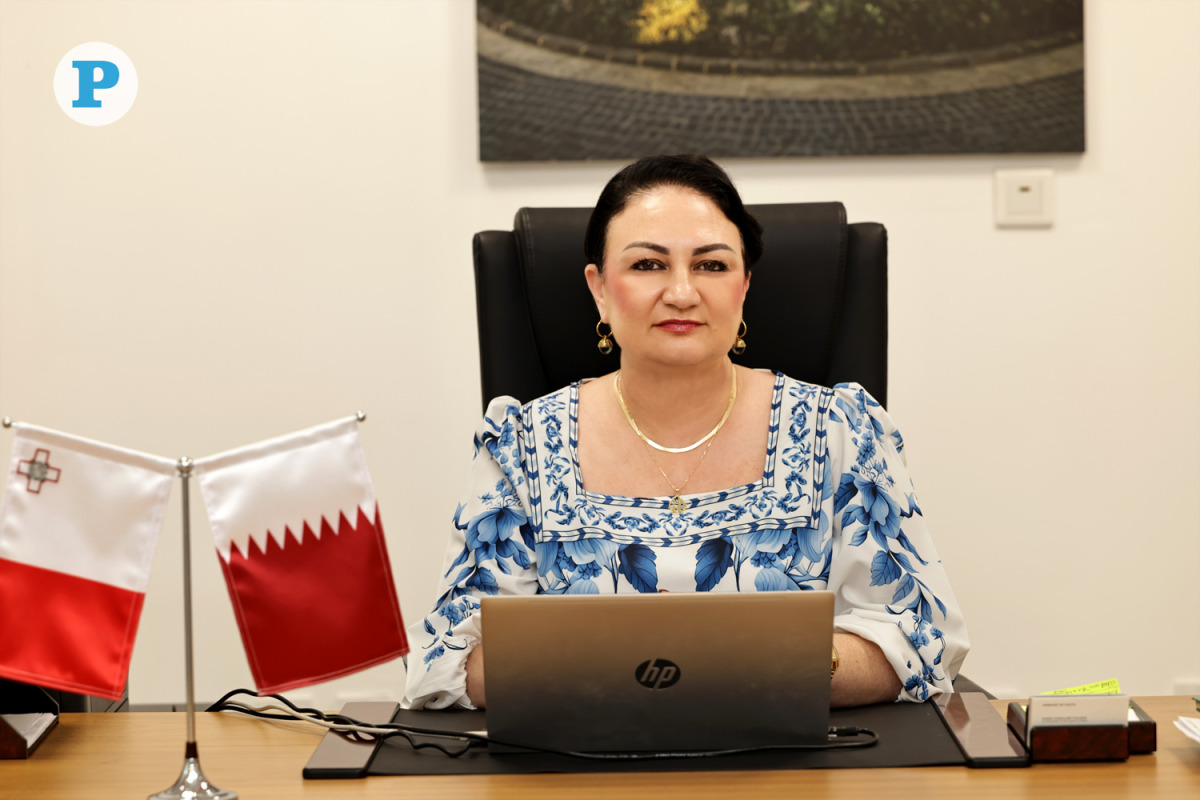
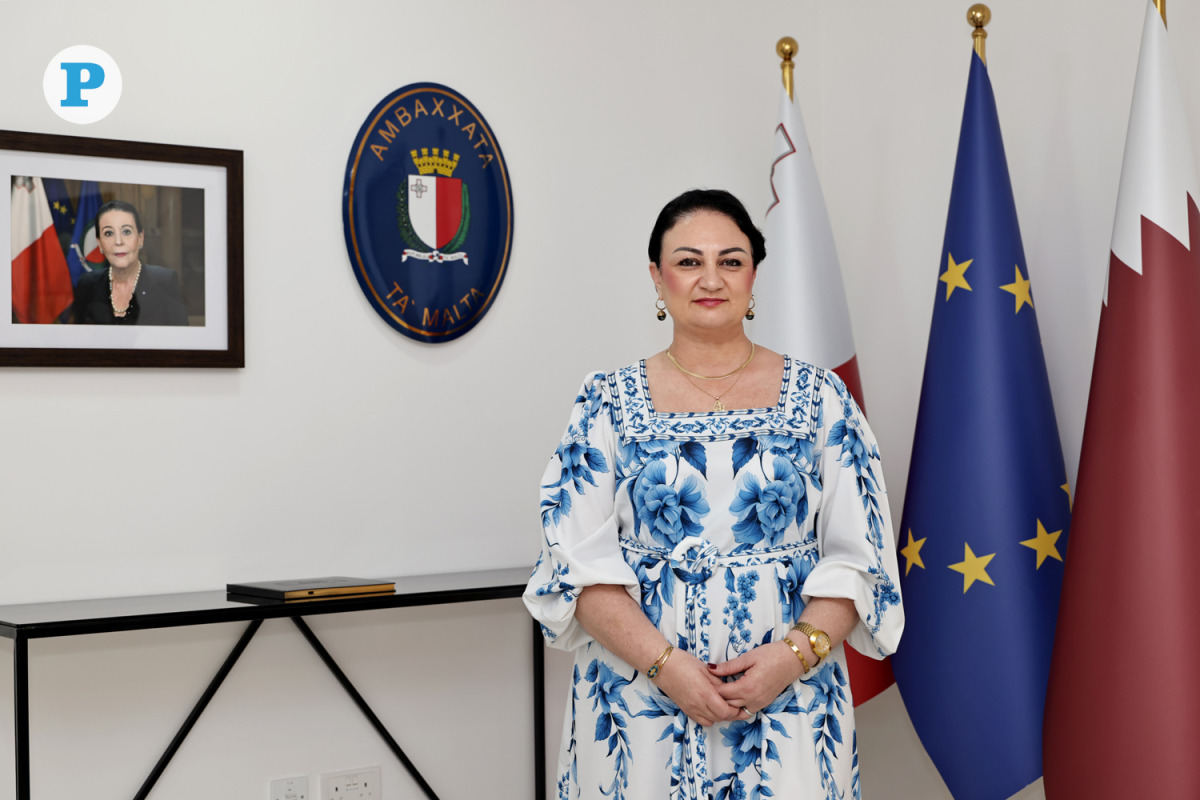
Ambassador of Malta to Qatar HE Maria Camilleri Calleja. Pic: Salim Matramkot/The Peninsula
Doha, Qatar: Ambassador of Malta to Qatar H E Maria Camilleri Calleja has said that building upon established political consultations and high-level exchanges, Malta and Qatar should strengthen institutional cooperation, facilitate business delegations and pursue agreements in priority sectors.
“Having celebrated 50 years of diplomatic relations in 2025, our challenge is to transform longstanding friendship into a more structured, forward-looking partnership. I believe the next chapter should be defined not simply by diplomatic goodwill, but by measurable achievements, sustained engagement and mutually beneficial projects,” she said in an exclusive interview with The Peninsula.
She said that Malta’s constitutional neutrality and Qatar’s commitment to mediation share a common foundation: dialogue must prevail over confrontation. “Malta has historically served as a meeting point between different political and cultural worlds, while Qatar has developed considerable expertise in facilitating negotiations between opposing parties. Our approaches are complementary, rooted in trust, discretion and international law. Together, we can promote preventive diplomacy, encourage de-escalation and support peaceful solutions to complex regional and international challenges.”
Ambassador Calleja said that small states may be modest in geographical size, but their contribution to international diplomacy can be significant. “Malta and Qatar demonstrate that influence is measured not merely by size, but by credibility, consistency and constructive engagement. Through the United Nations and other multilateral platforms, we champion international law, peaceful dispute resolution and inclusive dialogue. Our shared experience reinforces a fundamental conviction: small states can help shape international outcomes through principled, proactive diplomacy.”
To another question about both countries’ commitment to multilateralism, she replied: “Our shared commitment to multilateralism should translate into practical initiatives, particularly in humanitarian diplomacy, the protection of children in armed conflict, conflict prevention and sustainable development. Malta’s experience on the United Nations Security Council during 2023–2024 provides valuable foundations for collaboration.”
She added, “I see opportunities for closer coordination between our diplomatic missions, joint initiatives and knowledge-sharing. Ultimately, multilateralism must deliver tangible improvements in people’s lives, especially those affected by conflict and vulnerability.”
On how Malta’s European, Mediterranean perspective complement Qatar’s energy expertise and investment capacity in addressing climate resilience, Ambassador Calleja said that Malta brings a Mediterranean and small-island perspective, particularly concerning water scarcity, coastal vulnerability, energy security and sustainable development.
“Qatar contributes considerable expertise in energy, infrastructure investment and technological innovation. These strengths offer opportunities for cooperation in renewable energy, desalination, climate-resilient infrastructure and sustainable financing. By connecting European research and regulatory expertise with Qatari investment capacity, our countries can develop practical solutions benefiting both our societies and other climate-vulnerable nations.”
Talking on the role of Malta and Qatar in strengthening dialogue between Europe and the Gulf, she said Malta’s European Union membership, Mediterranean identity and longstanding engagement with the Arab world position it as a natural bridge between Europe and the Gulf. “Qatar, meanwhile, is an influential diplomatic, economic and energy partner. Malta’s recently launched Gulf Regional Framework provides additional momentum.
“Together, we can encourage deeper political dialogue, investment, connectivity and cultural understanding, while promoting a stronger EU–GCC partnership grounded in mutual respect, shared interests and regional stability.”
Talking further on bilateral cooperation, the Ambassador said that Malta offers access to European markets, expertise in maritime services, financial regulation, aviation, digital innovation and education. “Qatar brings investment capacity, energy expertise, advanced infrastructure and access to dynamic regional markets. Our greatest opportunity lies in combining these complementary strengths. Together, we can establish commercial partnerships, encourage innovation, develop knowledge-based industries and create investment opportunities connecting Europe and the Gulf, generating economic value that neither country could realise as effectively independently.”
On priorities as Malta’s new Ambassador to Qatar, she said: “My foremost priority is to translate the excellent political relationship between Malta and Qatar into tangible outcomes. I am particularly focused on trade and investment, education, innovation, cultural diplomacy and stronger institutional partnerships. Equally important is supporting the Maltese community and ensuring effective consular services. Having served extensively in the Gulf, I believe diplomacy is fundamentally about building trust, nurturing relationships and creating opportunities that benefit our peoples.”
Talking on the sectors offering the greatest potential for expanding bilateral trade and investment, the Ambassador of Malta said she saw considerable potential in financial services, fintech, artificial intelligence, digital technologies, maritime services, aviation, tourism and hospitality. “Malta’s European market access and specialised regulatory ecosystem complement Qatar’s economic diversification ambitions. Encouragingly, bilateral trade reached approximately QR46.4m in 2025, representing 15% growth. Nevertheless, substantial untapped opportunities remain. My priority is to facilitate business-to-business engagement and translate institutional dialogue into concrete commercial partnerships.”
On increasing bilateral tourism, Ambassador Calleja said that strengthening connectivity between Malta and Qatar presents valuable opportunities to deepen tourism and people-to-people exchanges. “We should capitalize on this potential through targeted tourism promotion, cultural exchanges, educational partnerships and closer collaboration between tourism operators in both countries. Malta offers Qatari visitors a distinctive Mediterranean experience, combining rich history, cultural heritage, natural beauty and warm hospitality, while Qatar presents Maltese travelers with a unique blend of tradition, modernity and world-class cultural and sporting attractions.”
She added, “Ultimately, tourism is more than an economic opportunity; it is a powerful instrument of cultural diplomacy, fostering mutual understanding, building friendships and creating lasting connections that extend well beyond traditional diplomatic relations.” To another question about Gaza, she said that Malta firmly believes that lasting peace requires a permanent cessation of hostilities, unhindered humanitarian assistance, civilian protection and accountability under international law. “Our recognition of the State of Palestine in September 2025 reaffirmed our commitment to a negotiated two-state solution.
“The international community must support credible diplomacy, Palestinian institution-building and reconstruction, while ensuring security for both peoples. We particularly appreciate Qatar’s sustained mediation efforts towards achieving peace.”
To another question about Malta and the EU’s response to the growing tensions between the United States and Iran, the Ambassador said that Europe must pursue principled, pragmatic diplomacy, supporting de-escalation while safeguarding maritime security, energy supplies and international trade.
“Disruptions in the Strait of Hormuz demonstrate how regional instability affects global economic security. Malta supports dialogue, respect for international law and peaceful dispute resolution. The EU should engage constructively with Gulf partners, including Qatar, whose mediation efforts remain essential, while encouraging negotiated solutions that address legitimate security concerns without further military escalation.”