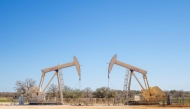
Qatar is well positioned for continued growth as macroeconomic fundamentals remain strong. With the recovery in oil prices following the agreement among oil producers to cut production, the Qatari government will have higher flexibility in continuing its commitment to planned major infrastructural projects.
Additionally, Qatar’s fiscal buffers and sizeable assets should help it maintain its position as one of the stable economies in the GCC region, the London-listed Qatar Investment Fund (QIF) noted yesterday.
Banking sector credit growth is likely to be strong on the back of higher consumer lending and project financing activities. The Investment Adviser believes that for these reasons, the Qatari economy and the Qatari stock market is likely to remain attractive to investors.
In its first quarter report, the QIF said it added Doha Bank, National Leasing, Vodafone Qatar and Al-Dar Properties to its portfolio in Q1, 2017.
On its outlook for Qatar for the rest of the year 2017, QIF noted: “The long-term growth prospects of the Qatari economy remain positive, as the Qatari government is committed to continuing its infrastructure investment spending program ahead of the 2022 FIFA World Cup and in line with the Qatar National Vision 2030. Qatar’s efforts of diversification from hydrocarbon dependence are already visible as the share of non-hydrocarbon GDP has grown from 41.0 percent in 2011 to 69.6 percent at the end of 2016.”
Global demand for LNG saw imports increasing by 17 million tonnes to reach 265 million tonnes in FY16. LNG demand is expected to grow at the rate of 4-5 percent between FY15 and FY30, according to Shell. Qatar is expected to target a number of key LNG import growth markets in emerging Asia and Latin America, according to BMI Research.
In BMI’s view, Qatar’s expanding investments abroad allows the country to overcome domestic production constraints, diversify its production base and secure entry into new international markets .
Going forward, the QIF’s Investment Adviser believes that Qatar’s real GDP growth is set to remain robust, driven by strong growth in the non-hydrocarbon sector. According to the International Monetary Fund (IMF), economic growth in Qatar is anticipated to remain the strongest in the GCC in 2017, as development of major projects in the run-up to the 2022 FIFA World Cup is expected to continue to have a positive impact on the economy. The IMF expects a GDP growth rate of 3.4% for Qatar in 2017.