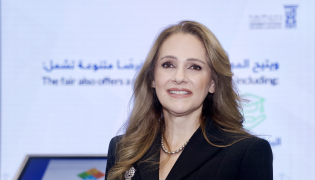
Doha: Amid growing diplomatic and cultural engagement between Qatar and Germany, and in concurrence with the official visit of Amir H H Sheikh Tamim bin Hamad Al-Thani to Berlin, Chairperson of Qatar Museums’ Board of Trustees H E Sheikha Al Mayassa bint Hamad Al-Thani outlined her strategic vision for the future of museum and knowledge partnerships between the two countries, and how cultural exchange and modern technologies can build bridges of human connection and preserve shared heritage for future generations.
Against the backdrop of growing cultural relations between Qatar and Germany, and given Germany’s long-established museum institutions and extensive expertise in preserving collections and human heritage, and regarding how Her Excellency, in an exclusive interview with QNA, views the prospects for developing strategic partnerships between Qatar Museums and German museum institutions that would extend beyond organising joint exhibitions to exchanging expertise and producing knowledge.
Sheikha Al Mayassa bint Hamad Al-Thani said that the visit of H H the Amir to Germany embodied the essence of diplomacy, which was rooted in human connection, adding that such encounters fostered mutual understanding, built trust and broadened opportunities for cooperation, further adding that these were also the objectives Qatar sought to achieve through cultural exchange.
This has been seen in many stages of cooperation, she added, most recently through the creation of the ‘Doha Pavilion’ for Gerhard Richter, one of Germany’s leading contemporary artists, and the presentation of his project at the New National Gallery in Berlin, hosted by its director, Klaus Biesenbach.
She said that she had also recently visited the Museum of Islamic Art in Berlin, where its director, Stefan Weber, had introduced her to the Aleppo Room and its artistic and historical significance. Her Excellency noted that such encounters served as a reminder that safeguarding cultural heritage was a shared responsibility that transcended national borders, while offering museums opportunities to learn from one another, deepen their understanding of this heritage, and pass on their collections and the knowledge they embody to future generations.
She underlined that growing cultural exchange between Qatar and Germany was expanding opportunities for cooperation between their institutions in research, academic studies, collection preservation and specialised expertise. She added that the true value of partnership lay in opening new horizons for learning and knowledge production, with cooperation continuing beyond individual exhibitions and events.
Discussing the extent to which cultural cooperation between Qatar and Germany could help build bridges for deeper dialogue between the two societies, introduce German audiences to Arab and Islamic culture, and provide Qatari audiences with opportunities to explore Germany’s cultural and artistic heritage beyond stereotypes and preconceived notions, she said that every cultural exchange initiative between Qatar and Germany brought the two countries closer together and provided an opportunity to discover what they had in common and celebrate their shared humanity.
She highlighted that this rapprochement began with genuine openness towards others and a sincere desire to understand them beyond stereotypes and preconceived judgements. She noted that when German audiences became acquainted with Arab and Islamic culture, and Qatari audiences discovered the richness of Germany’s artistic and cultural heritage, both societies gained an opportunity to develop a deeper understanding of one another through direct experience and dialogue.
Sheikha Al Mayassa said Qatar Museums had close ties with German cultural institutions that could create new learning and discovery opportunities for young people. She cited cooperation with Hamburger Bahnhof, whose directors, Sam Bardaouil and Till Fellrath, jointly curated Mathaf: Arab Museum of Modern Art’s inaugural exhibition, adding that she looked forward to exploring new areas of cooperation with them based on this longstanding relationship.
She said the programmes of the forthcoming Lusail Museum would be particularly important in this regard, given their focus on exploring relations between East and West, past and present.
On the opportunities for cooperation between Qatar Museums and German cultural institutions amid global transformations in the museum sector, particularly in digitisation, artificial intelligence and interactive exhibition techniques, and how such cooperation could move beyond exchanging experiences to launching innovative projects with lasting cultural impact, Sheikha Al Mayassa said Qatar Museums had recently welcomed UTOPIA at M7, noting that the company had built its business model around artificial intelligence since its establishment, using Qatar as a base to establish and invest in technology startups.