By Fazeena Saleem
DOHA: Some students and professors of law at Qatar University (QU) have prepared a model law which, if implemented, will protect domestic workers.
A model contract based on the model law, to be signed between the employer and the domestic worker, has also been drafted. The model law and contract are expected to be submitted to the Ministry of Labour in September.
The model law has been drawn up to help combat abuses against domestic workers. It specifies a minimum salary, working hours, holidays and other benefits for the workers. It also mentions the obligations of the employee.
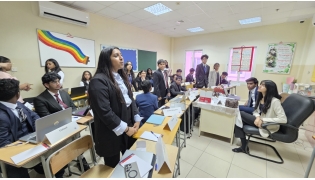
The model law was drafted by a group of senior students together with professors through the legal clinic set up at QU’s Law College in collaboration with the John Hopkins University School of Advanced International Studies, USA and ten other universities in the region.
“There is no specific mention of domestic workers in the labour law and they are one of the most vulnerable group of people, so we decided to draft a model law which would protect them,” Professor Myrna El Fakhry Tuttle at College of Law, Qatar University, told The Peninsula yesterday.
“The model law covers all domestic workers, like maids, drivers, gardeners, babysitters and cooks,” she said.
If the law is implemented, domestic workers would get a minimum wage that could be more than double what they get now. They will also get sick leave besides annual leave.
Tuttle refused to reveal further details, saying, “Changes would be made to suggestions in the model law draft.”
The model law suggests 24 consecutive hours of break from work every week for domestic workers, and they will have to work only eight hours a day and should be paid for extra hours of work. Also, they should be provided with ‘decent accommodation’ — at least a separate room and a bathroom.
It also specifies the obligations of the employee, including respecting the privacy of their employer’s house.
The model law includes a special provision for ‘live out maids’ who can be hired for work on hourly basis.
“The model work contract will be according to the model law,” said Tuttle.
“The worker will be able to terminate the contract if they are verbally, physically or sexually abused,” she added.
The model law and model contract for domestic workers will be presented at a legal conference next month in Kuwait in which the International Labour Organisation will take part.
THE PENINSULA