(Kentaro Takahashi/FTWP)
Tokyo: The Japanese get the least sleep of all major countries, so much so that there’s a flourishing market to help people in this sleep-deprived nation fall asleep faster and stay asleep longer.
On average, the Japanese sleep almost an hour and half less than Americans, according to the Organization for Economic Cooperation and Development. Researchers attribute this to long commute times, long work hours and a culture that does not emphasize the importance of sleep.
Sleep has now become a billion-dollar industry in Japan, catering to those looking for help improving their quality of sleep, even if they still don’t get as many hours as they’d like.
The latest “sleep tech” products here go beyond the usual aids like eye masks or comfortable pillows - think smart beds and gadgets that create ideal environments for power naps.
The Washington Post tried out some of the innovations.
Advanced sleepwear
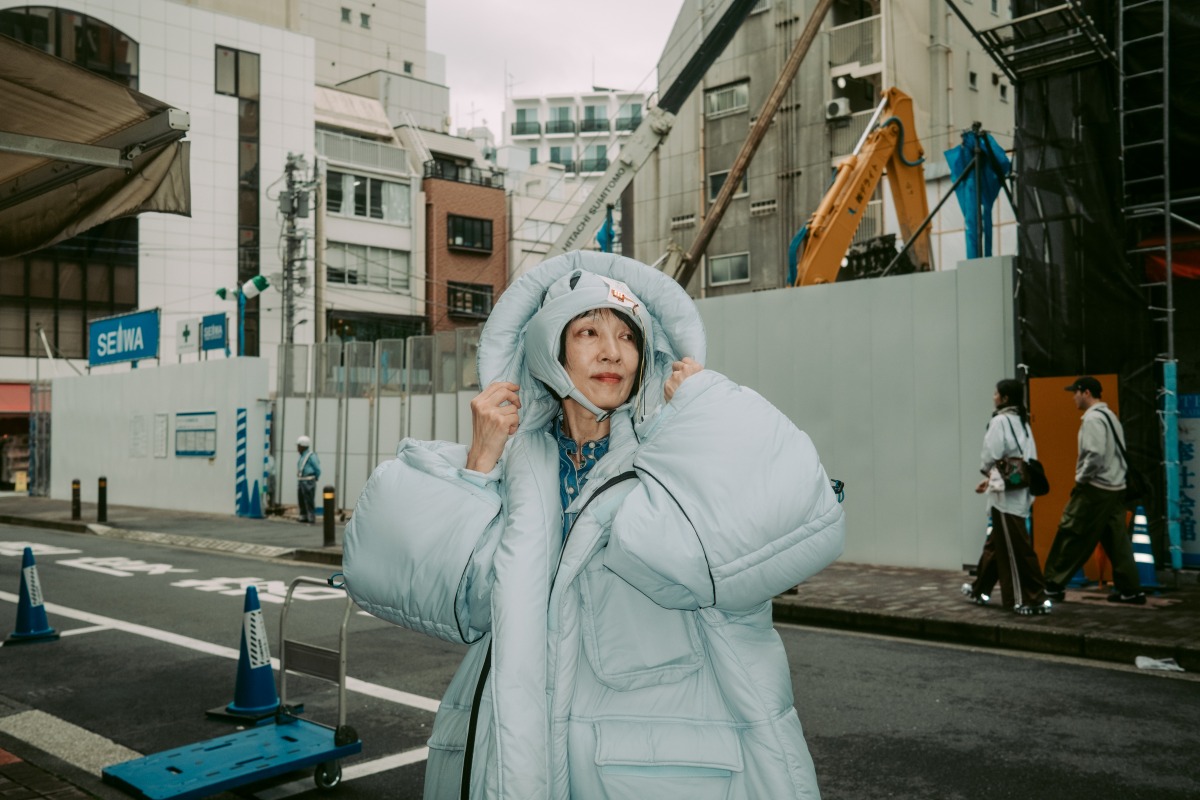
In Japan, there are several brands selling pajamas made of special fiber claiming to boost muscle recovery and blood circulation.
Then there are wearables aimed at helping you take a nap for about 20 minutes - at what’s called “non-REM Stage 2” sleep - before you reach deep sleep, which is when you hit a stage of “sleep inertia” that can leave you feeling groggy after waking up.
Many Japanese sleep tech items are geared toward creating the ideal conditions for that 20-minute nap for those who can’t get a full night’s sleep.
“Getting eight hours of sleep on weekdays is completely unrealistic for me,” said Masayoshi Masuyama, 52, who works at a consulting firm in Tokyo. “So I’d like to get better at taking power naps and make them work more effectively for me.”
Standing nap box
Japan introduced the “standing nap box” as a solution for those desperate to catch some Z’s at work. This nap box, shown on display at Tsutaya Electrics in Tokyo, is used at offices around the Tokyo metropolitan area.
Can you actually reach non-REM Stage 2 sleep standing up? It’s possible, said Masashi Yanagisawa, the head of the International Institute for Integrative Sleep Medicine at the University of Tsukuba, north of Tokyo.
There has not been extensive research on the best position for a restful nap, Yanagisawa said. The most important thing, he said, is to wake up after 20 minutes.
While many Japanese products focus on short naps, they’re not a long-term sleep solution, Yanagisawa said.
“If you’re able to take a quick power nap easily, that itself suggests you are sleep-deprived,” Yanagisawa said. “Power naps are still only an emergency measure.”
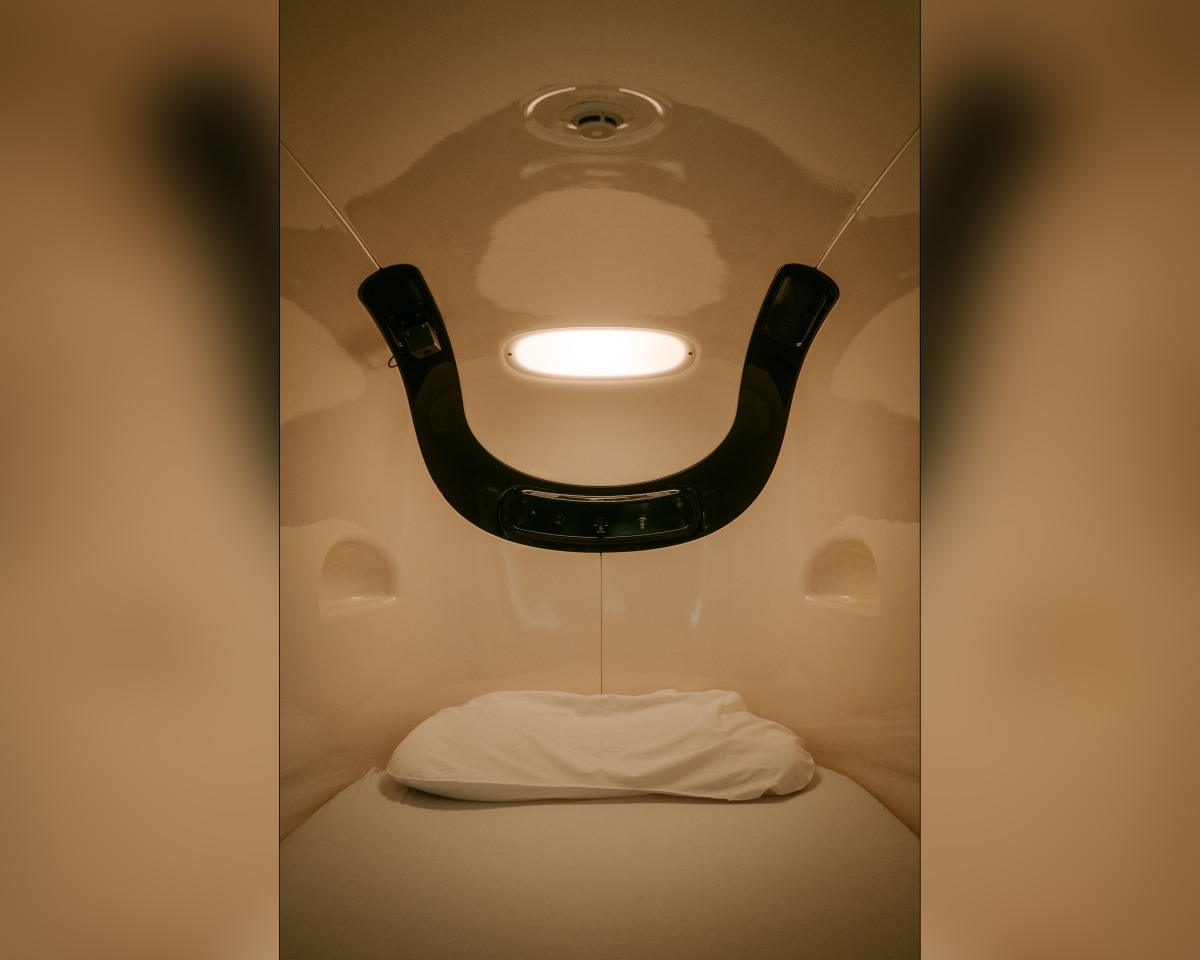 Nine Hours Akasaka is a capsule hotel in Toyko that offers sleep analysis. (Kentaro Takahashi/FTWP)
Sleep analysis at a capsule hotel
Capsule hotels are like a dormitory where people sleep in a pod for cheap.
These hotels make an ideal place for sleep studies, because each pod is an identical, controlled environment. Sensors are installed throughout the pod so that your sleep can be monitored without wearing any devices.
This hotel, Nine Hours Akasaka, shares anonymized data with medical and research institutions. The hotel also offers referrals to clinics for guests with poor sleep results.
Guests who request the analysis receive a report about their patterns and risk factors for sleep-related illnesses, like sleep apnea. For example, this Post reporter’s sleep report showed a 58 percent “sleep efficiency” score - the percentage of time actually asleep compared to the total time spent in bed.
The sleep tech industry, it seems, has found a new customer.
Smart mattress
Japanese developers are also reimagining the bed.
The newest smart beds use built-in airflow systems to reduce humidity, helping users stay comfortable through Japan’s hot and humid summer nights. Others gently vibrate, to help you relax and fall asleep.
Japan’s leading furniture manufacturer, Nitori, started selling a new smart bed this year that uses sensors to monitor the sleeper’s condition and automatically adjust to a comfortable sleep angle throughout the night.
The catch: It costs about $2,500.
Sleep-friendly housing
What if your entire home was designed to help you sleep? New condos in Japan are doing just that, by controlling the lighting, temperature and even humidity to help residents relax.
This is different from most Japanese homes that have bright ceiling lights in every room, including bathrooms. Living spaces after about 8 p.m. should have dim and gentle lighting to prepare you for bed, said Yanagisawa, the sleep expert.
Yanagisawa attributes Japan’s affinity for excessive lighting to a cultural association between bright lighting and prosperity.
“This is really a uniquely Japanese issue: Nighttime residential lighting is simply too bright,” especially compared to U.S. and European homes, Yanagisawa said.
Japan is tackling the sleep issue from many angles to help people overcome “sleep debt” - being owed more sleep than you get. But sleep is deeply personal, and a product that works for one person may not for another.
Experts warn that many products in Japan’s booming sleep tech market have not gone through rigorous scientific testing to prove they actually improve sleep. And because sleep patterns vary individually, it’s difficult to verify which products are most effective for a wide range of people.
At its core, experts say, getting better sleep is about the basics: low lighting, comfortable temperature and no noise.
And those simple steps transcend borders - no gadget required.