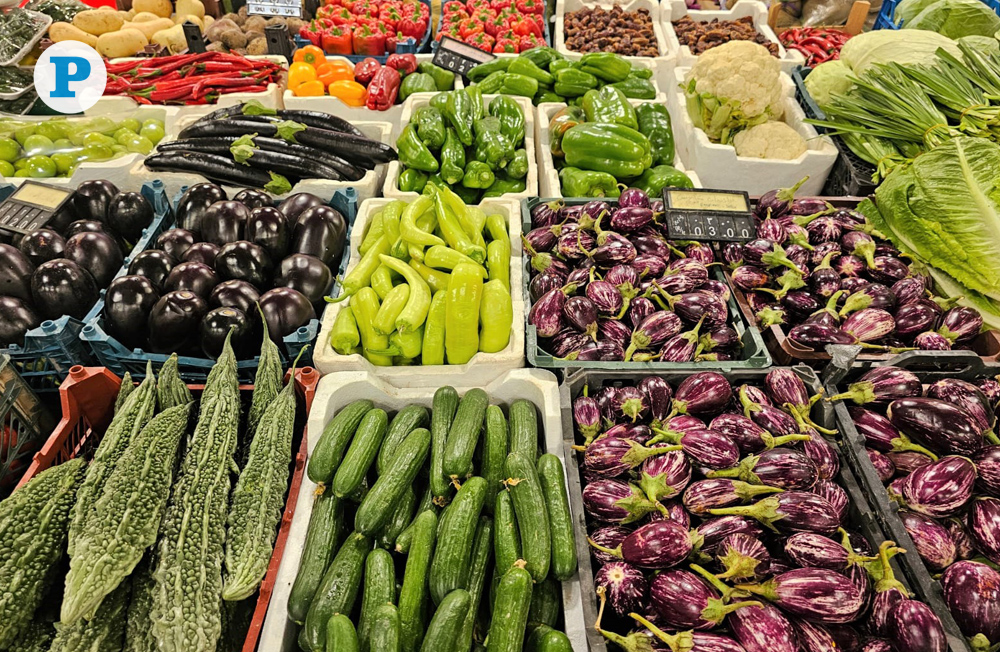
Doha: Qatar’s local vegetable production is expected to reach approximately 120,000 tonnes by the end of 2026, pushing self-sufficiency levels to more than 70 percent during certain periods, according to recent estimates.
According to a recent report by Al Rayyan TV, data indicate that domestic vegetable output has already seen significant growth, rising from around 66,000 tonnes to more than 113,000 tonnes in recent seasons, reflecting a steady upward trajectory in agricultural productivity.
Self-sufficiency rates in some products have also improved notably.
For instance, date production has reached around 86 percent self-sufficiency, with the potential to increase to 95 percent, underscoring the effectiveness of national agricultural policies, the report said.
Qatar’s agriculture sector continues to advance towards greater self-reliance, driven by substantial investments from both the public and private sectors, as well as a marked expansion in the adoption of modern farming technologies.
Al Rayyan TV said that specialised reports indicate that the sector has recorded an average annual growth rate of approximately 5.5 percent.
Despite environmental challenges such as water scarcity, high temperatures, and soil salinity, Qatar has emerged as a model for sustainable agriculture, combining innovation with resilience. This transformation has been particularly evident in the production of fresh vegetables.
A key driver of this progress is the expansion of advanced agricultural technologies, most notably greenhouses.
These controlled structures, typically made of metal or wooden frames covered with plastic or glass, protect crops from harsh weather conditions while allowing optimal light exposure, enabling year-round cultivation regardless of climate conditions.
In addition, hydroponics and vertical farming have gained prominence as innovative solutions that enhance productivity while significantly reducing water consumption.
The greenhouse farming sector is expected to grow by approximately 11 percent, with market size projected to reach around $200 million by the end of 2026, up from around $170 million in 2024, the report said.
National marketing programs and initiatives have also played a crucial role in strengthening the presence of locally produced goods in the market.
Improved competitiveness and product quality have significantly boosted consumer confidence in local produce.
Agriculture remains a key pillar of Qatar National Vision 2030, with continued efforts aimed at increasing self-sufficiency levels and further developing domestic agricultural production.