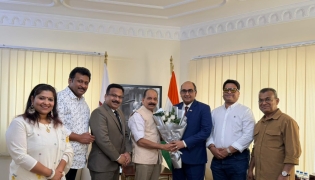
Doha: The heirs of Sheikh Nasser bin Khaled Al Thani have announced the launch of Nasser Bin Khaled Al Thani Charitable Foundation to support social and humanitarian programme in Qatar and beyond.
It will have an institutional and structural framework of ongoing charity projects undertaken by the dependents and will lay the foundation for structured charity work to benefit local and international communities.
It will also focus on enhancing support for the less privileged and collaborate with charitable organisations to support requirements to improve conditions within society. It will set plans and strategies to deal with urgent needs and provide aid in the right places for better and more effective charity work.
Sheikh Nawaf Nasser bin Khaled Al Thani, Chairman of the foundation, said “We are pleased to announce the establishment of the organisation, which will help us realise our late father’s dream and provide additional assistance for charity and social organizations in Qatar.”
Drawing on Sheikh Nasser’s commitment to philanthropy, his children have been staunch supporters of social and humanitarian causes in Qatar. They supported a project for new Muslims in the south of the Philippines in 1987, and bought a plot and built a mosque, school for teaching Quran, and an accommodation for students, in Bukwak in Bajadian city. The project carries the name of Sheik Nasser bin Khaled.
They also founded Nasser Bin Khaled Islamic Organization in Zamboanga which started operations in May, 1994.
Sheikh Nawaf said, “The organization will continue to direct all our efforts and resources towards providing for the less fortunate, supporting their development and helping reduce their suffering. We look forward to partnering with like-minded organisations to achieve our goals.”
The foundation aims to compliment and assist other charity organisations for the betterment of the Qatari, Arabs and other needy people. It will provide humanitarian assistance and health aid for affected people during crisis, and establish hospitals and medical centres where needed. It will also support the development of educational services in Islamic communities that lack resources to build schools, mosques and Quran centres.
The Peninsula