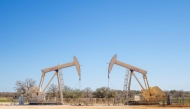
Driven by higher oil and gas output coupled with further expansion in the construction and transportation sectors, Qatar’s growth is expected to pick up to 2.5 percent in 2017 from 2.2 percent in 2016. The growth is expected to accelerate to 3.1 percent in 2018.
Continued growth in construction, services and transportation should contribute on the non-hydrocarbon side. The government’s $200bn public infrastructure program, which it is executing as part of its Vision 2030 diversification strategy and FIFA World Cup 2022 plan, will underpin growth in this sector, even while the government continues to keep a tight rein on current expenditures”, NBK noted yesterday in its Qatar macroecnomic outlook.
Qatar is expected to make gains in LNG, natural gas and condensates output on the hydrocarbon side. Crude output is expected to average 30,000 b/d less in 2017 as per Qatar’s obligations under the terms of last November’s Opec production cut agreement.
According to NBK analysts, Qatar’s fiscal restraint is expected to continue this year but the deficit should narrow on higher oil and gas revenues. The deficit is expected to narrow to -5.1 percent of GDP in 2017 and to -3.5 percent of GDP in 2018, thanks largely to an expected improvement in energy prices.
The government has increasingly tapped the debt markets to finance the deficit, leading to a sharp rise in public debt . Qatar sold more than $17bn in bonds and sukuk in 2016, $14.5bn of which was raised from international investors. This included a $9.0bn triple-tranche USD-denominated international bond last May. Consequently, central government debt (gross) increased significantly in 2016 to 67.2 percent of GDP from 44.6 percent in 2015. Recourse to the debt markets has helped Qatar’s finances and injected much-needed liquidity into the banking system.
Increasing debt issuance has not stemmed the decline in the country’s international reserves, however, it fell to $34.4bn in April, a y/y decline of 3.6 percent. April’s figure also represents a fall of $11.6bn, or 25 percent, from the country’s all-time high reserve level of $46bn in November 2014.
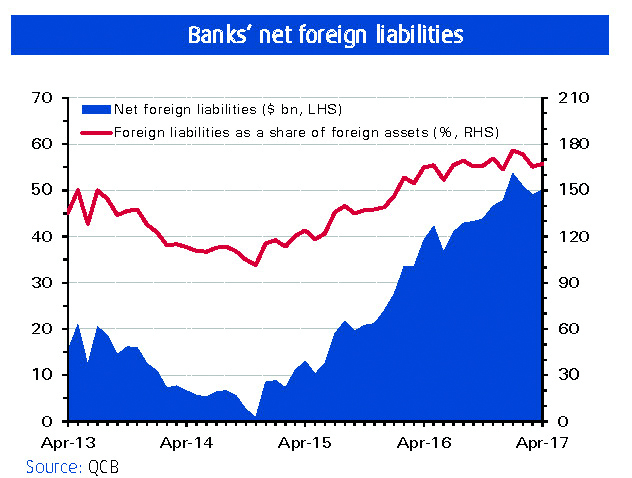
Meanwhile, the banking system has witnessed double-digit deposit growth since last December as oil prices firmed over that period. Total deposits rose by 16.4 percent on year-on-year by the end of April. Both public and private sector deposits have led the way, rising by 0.3 percent year-on-year and 12.1 percent year-on-year, respectively. Meanwhile, non-resident deposits, though still increasing at the rate of 56 percent year-on-year, are not doubling as they were last year.
The improvement in liquidity is reflected in the banking sector’s loan-to- deposit ratio (LDR), which has fallen since the start of the year as deposit growth has outpaced credit growth.