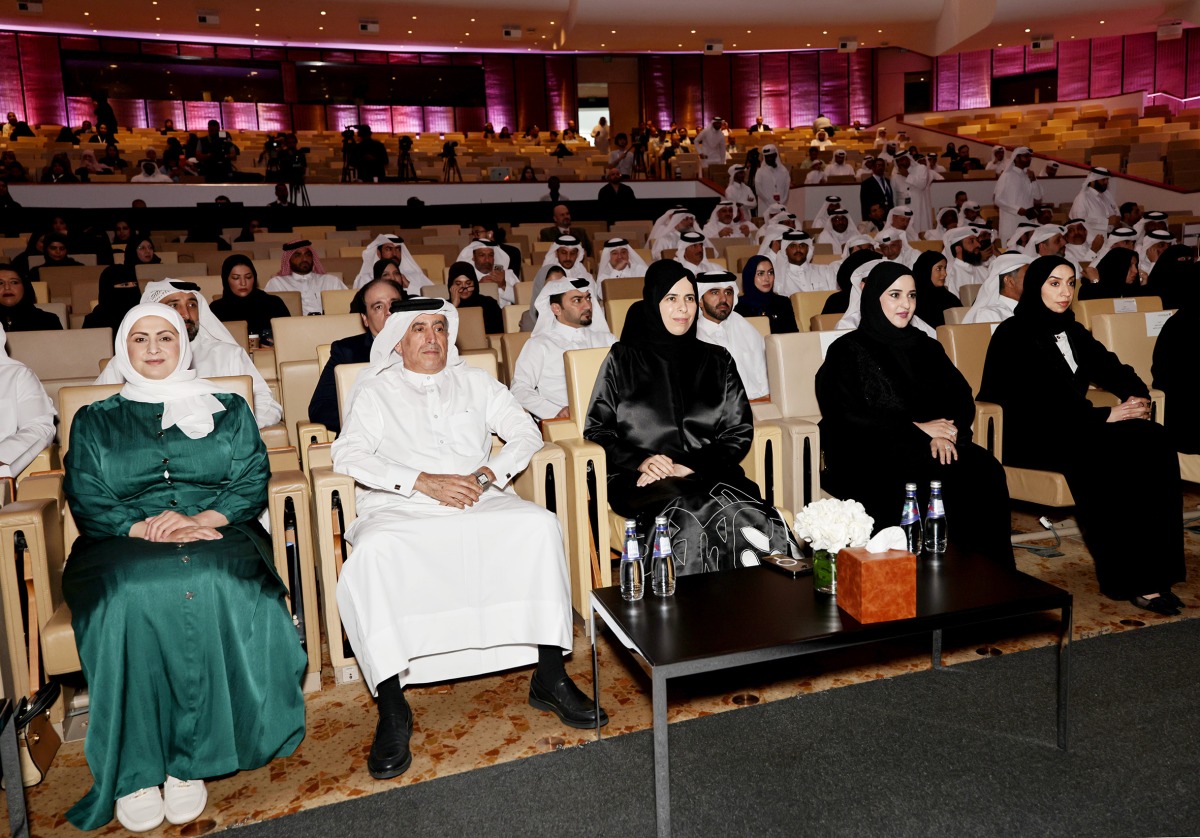
Minister of Education and Higher Education H E Lolwah bint Rashid Al Khater at the Annual Educational Meeting at QNCC. Pic: Salim Matramkot/The Peninsula
Doha, Qatar: Ministry of Education and Higher Education (MoEHE) has reaffirmed its focus on student wellbeing, educational quality, national identity and digital empowerment as it prepares for the 2026-27 academic year, with officials stressing the need to turn lessons learned from previous challenges into greater institutional readiness and flexibility.
The ministry held yesterday its Annual Educational Meeting for the 2026-27 Academic Year at the Qatar National Convention Centre (QNCC) under the theme “People First, Authenticity is Strength, and Digitalisation is Empowerment.” The meeting was attended by Minister of Education and Higher Education H E Lolwah bint Rashid Al Khater.
In his opening remarks, Undersecretary of the Ministry of Education and Higher Education Dr Ibrahim bin Saleh Al Nuaimi, said the new academic year represents a renewed commitment to providing higher-quality education capable of responding to present needs while preparing students for the future.
He emphasised that education must equip students with knowledge and skills while also building their confidence and ensuring they remain firmly rooted in their identity, values and sense of belonging.
Al Nuaimi said the theme of this year’s meeting reflects three key pillars of the ministry’s educational vision. “People First” places students at the centre of the educational process and recognises teachers as the cornerstone of its success. “Authenticity is Strength” highlights the importance of giving students a strong foundation in their identity and values while enabling them to engage confidently with global knowledge and experiences. “Digitalisation is Empowerment” reflects the role of technology in expanding educational opportunities and providing students and teachers with tools that enhance learning and creativity.
He also stressed that a successful start to the academic year is a shared responsibility involving schools, families and various state institutions. Families were urged to support students’ psychological readiness, establish healthy daily routines and remain actively engaged with schools and their children’s progress. Student safety and wellbeing were also highlighted as key priorities, including efforts to ensure safe transportation, school surroundings and appropriate support for students’ physical and psychological health.
Al Nuaimi noted that the previous academic year provided valuable lessons on the importance of preparedness and flexibility amid exceptional circumstances in the region. The experience demonstrated the importance of ensuring continuity of education while safeguarding students and educational staff.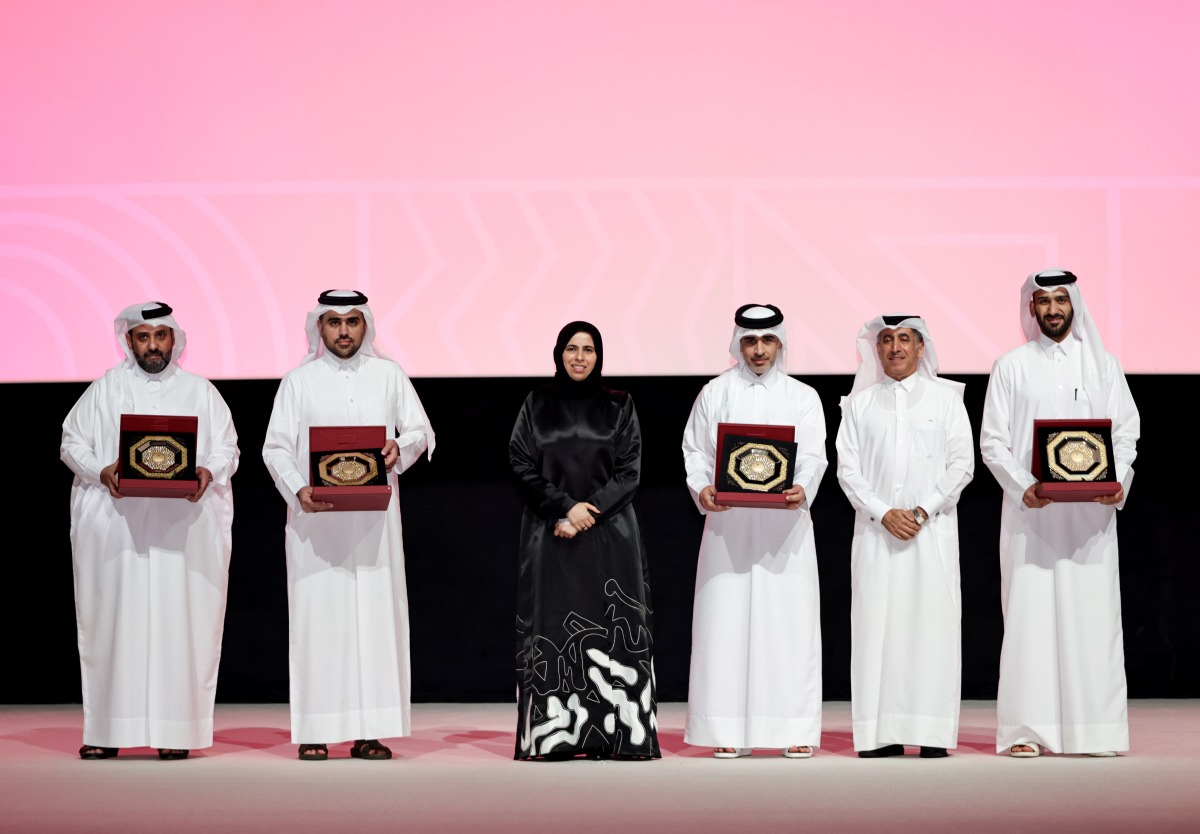 Minister of Education and Higher Education H E Lolwah bint Rashid Al Khater with Undersecretary of the Ministry of Education and Higher Education Dr. Ibrahim bin Saleh Al Nuaimi and participants of Tamheen programme. Pic: Salim Matramkot/The Peninsula
He said the successful use of remote learning and electronic assessments when circumstances required them had demonstrated the value of technology as a tool for maintaining educational continuity. At the same time, the ability of Qatar’s educational workforce to adapt efficiently and responsibly highlighted the importance of investing in institutional capacity.
The ministry now aims to build on those experiences by making schools more prepared and resilient, empowering teachers to perform their roles more effectively and using technology to improve educational quality and enrich students’ learning experiences.
The annual meeting was also held as part of the ministry’s Back-to-School campaign, which seeks to go beyond traditional preparations for the start of the academic year by strengthening communication with students, families and the wider educational community through programmes, initiatives and activities.
Among the new initiatives this year is “First Step,” launched by the ministry in partnership with Rafeeq and targeting Grade 1 students. The initiative recognises that a child’s first school experience can shape their relationship with learning and influence their sense of safety, belonging and responsibility.
The meeting also featured training workshops addressing the needs of the educational field, with an emphasis on practical applications and the exchange of professional experiences. Interactive activities under the Back-to-School campaign are also being organised to engage students and families and help them prepare for the new academic year.
Al Nuaimi stressed that the ultimate measure of the success of educational plans is not the plans themselves, but their impact inside classrooms and on students’ daily experiences and academic progress. He called on school leaders and teachers to begin the new academic year by asking what positive impact they can make on their students’ learning and overall school experience.