Doha, Qatar: Farms in Qatar use non-genetically modified seeds and do not use chemicals harmful to human health, while agricultural production inputs are subject to strict controls, according to agricultural expert Abdulrahman Al-Obaidan.
Speaking in an interview with Al Rayyan TV, Al-Obaidan said agricultural oversight covers the types of seeds and production inputs used by local farms, including controls against prohibited substances used to accelerate production.
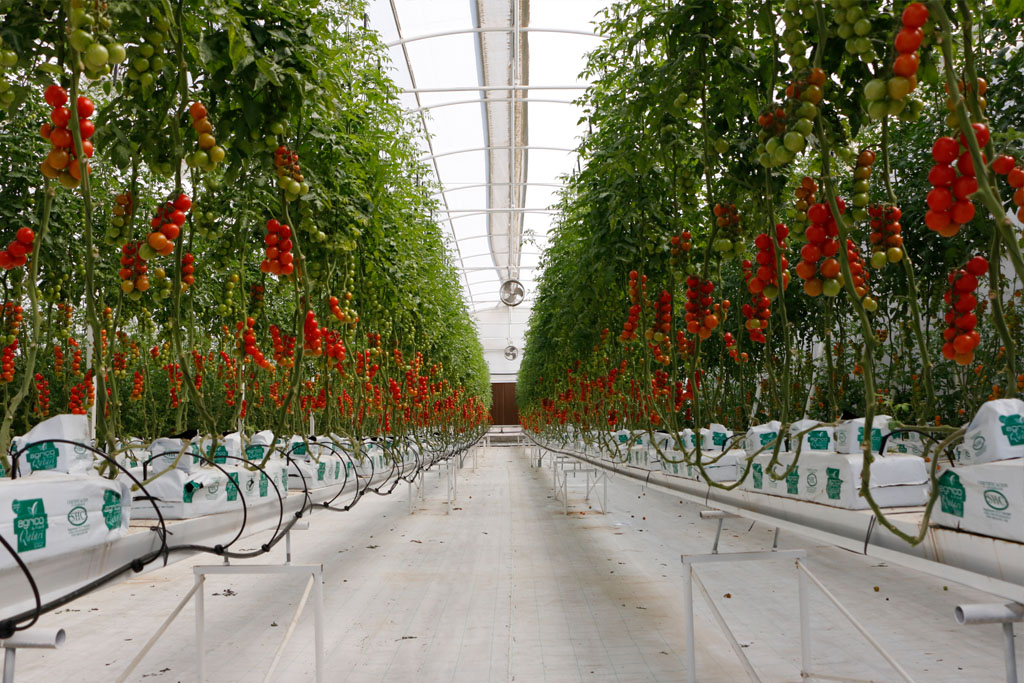
“We use non-genetically modified seeds,” Al-Obaidan said, adding that farming practices in Qatar do not involve chemicals harmful to human health and that biological pest control is also used.
He said these practices contribute to greater confidence in locally grown produce, despite the additional costs faced by farmers in producing food under Qatar’s climatic conditions.
“Our product is clean and safe,” he said, pointing to freshness as another major advantage of domestic production.
According to Al-Obaidan, locally grown vegetables can reach consumers within hours of harvesting, or at most within a day or two. Imported produce, by comparison, may spend considerably longer in transit before reaching supermarket shelves, he said.
He added that consumers may have less information about how it was grown, the types of seeds used or the sources of water used in production. Al-Obaidan said the progress made by Qatar’s agricultural sector has also strengthened the ability of domestic farms to compete with imported products. “We have surpassed some types of imported products in Qatar in terms of quality and availability,” he said. His remarks come as Qatar continues to expand domestic agricultural production and strengthen food security through greater use of modern farming technologies and support for local producers.
In March, Minister of Municipality and Chairman of the committee for follow-up on the implementation of food security policies H E Abdullah bin Hamad bin Abdullah Al Attiyah said Qatar had reached 100% self-sufficiency in key vegetables, alongside 99% in fresh poultry.
Qatar’s National Food Security Strategy 2030 places sustainable domestic production among its main priorities, with a focus on increasing local output through modern agricultural methods while taking into account the country’s limited natural resources.
The strategy also seeks to strengthen support for local farmers and agricultural businesses, improve the competitiveness of domestic products and develop sustainable production capable of contributing more effectively to national food security. Further measures to support producers were announced during the Qatar International Agricultural Exhibition, AgriteQ 2026. The Ministry of Municipality said an Agricultural Support Vouchers Program had been introduced during the agricultural season to provide farmers with greater flexibility in obtaining production inputs and improving their quality.
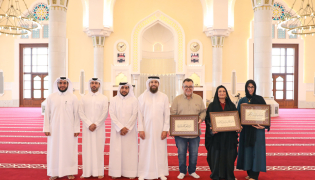
The Ministry also launched the Sustainable Agricultural Production Award to encourage farmers to adopt innovative and sustainable agricultural practices, as Qatar works to develop a modern farming sector built around technology, efficient use of resources and higher domestic production. The expansion of local agriculture is particularly significant given Qatar’s environmental conditions, including high temperatures, limited rainfall and scarce freshwater resources.
Government efforts have increasingly focused on technologies and farming methods that can raise production while improving the efficient use of water and other resources.
For Al-Obaidan, however, the value of local agriculture goes beyond increasing the volume of food produced. Despite the higher production costs borne by Qatar’s farmers, he said the combination of controlled production practices, biological pest management and the short distance between farms and consumers gives locally grown produce an important advantage in quality and freshness.