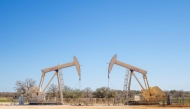
The oil market is expected to rebalance in 2017 and oil price is likely to be at $55/b. Production cuts are likely to be extended, but even if they are not, aggregate world oil supply will probably remain largely unaffected, QNB noted in its report.
“An extension to the Opec agreement is becoming increasingly likely. Discussions between producers have moved in favour of extending. The Saudi oil minister recently said that Opec and non-Opec producers were close to reaching a deal to extend the cuts. Additionally, an extension to the agreement would sustain prices at the current level or higher,” said the report.
However, there are also arguments against extending. The lack of compliance with last year’s deal among non-Opec producers might make it difficult to broker a new deal. Furthermore, the production cuts have handed a lifeline to US producers, which have managed to increase production in response, grabbing market share.
“The bottom line is that the output cuts are likely to be extended, but even if they are not, aggregate world oil supply will probably remain largely unaffected,” said the report. “Any increase in Opec production after June would probably push down prices and deter further increases in US production. Therefore, we still expect the market to rebalance in 2017 and keep our oil price forecast unchanged at $55/b,” added the report.
Oil prices in 2017 have been determined by two main counterbalancing forces—supply cuts led by Opec and rising shale oil production in the US.
The production cuts agreed in November 2016 between Opec and some other major non-Opec producers drove a rally in prices towards the end of 2016 and into 2017. The implementation of those cuts at the beginning of 2017 helped keep prices high during January and February. However, in March and April oil prices weakened amid doubts about compliance with the agreement and concerns about rising US production.
The report said US production increases are likely to cap oil prices at around $55 while Opec production cuts will provide a floor.
“Overall, Opec’s compliance with the targets for output cuts set in November was 100 percent in Q1 2017. Much of this is attributable to Saudi Arabia cutting production by more than agreed, but there was a high compliance rate among other Opec members as well.
Non- Opec producers who were party to Opec’s November agreement have been less compliant,” said the report.
Russia has achieved around half of its targeted cuts, but others have actually increased production slightly. As a result, overall compliance among Opec and non- Opec members was around 60 percent during Q1 2017. The slippage from targeted cuts may have contributed to the recent weakness in oil prices.
It appears US production is increasing in response to higher oil prices. US production has risen steadily since the latter part of 2016 as oil prices consolidated between $55-60, the estimated range of US shale breakeven costs.