LONDON: Tech firms like Facebook should be made liable for “harmful and misleading” material on their websites and pay a levy so they can be regulated, British lawmakers said, warning of a crisis in democracy due to misuse of personal data.
Facebook has increasingly become a focus of the media committee’s inquiry into “fake news” after the data of 87 million users was improperly accessed by British-headquartered consultancy Cambridge Analytica.
Facebook executives said on Wednesday its profit margins would plummet for several years due to the cost of improving privacy safeguards and slowing usage in its top advertising markets. The news wiped over $120bn off the company’s share price.
At the same time, the company is coming under concerted regulatory scrutiny in Britain, the United States and the European Union.
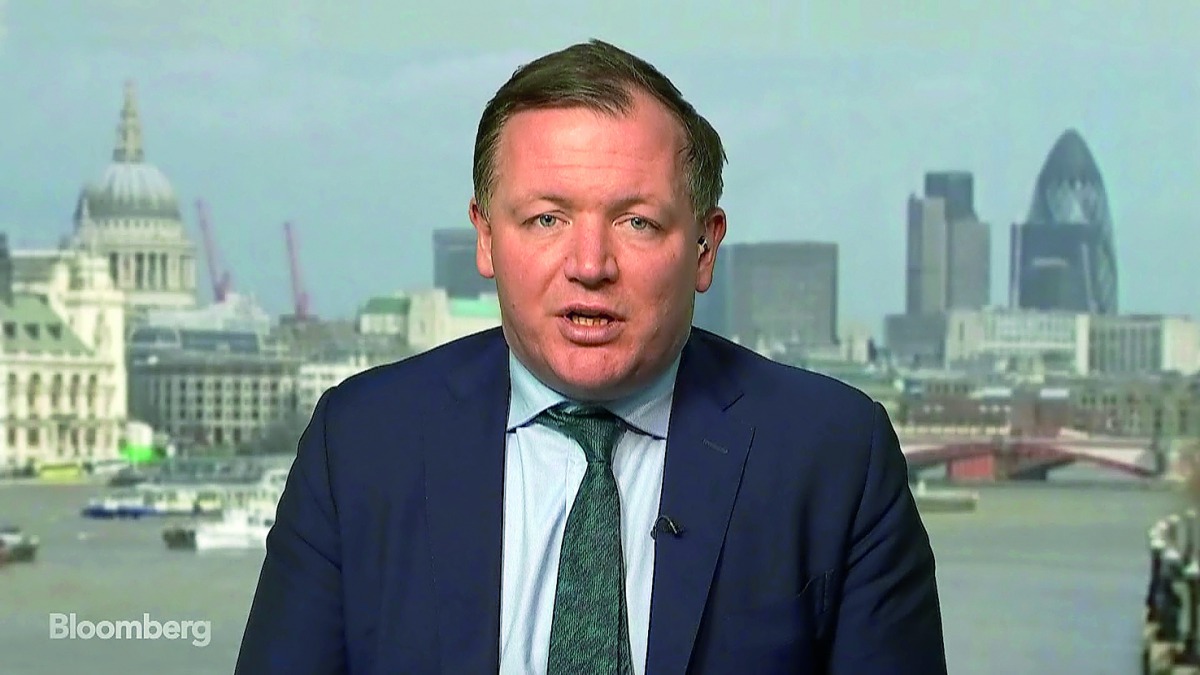
“Companies like Facebook made it easy for developers to scrape user data and to deploy it in other campaigns without their knowledge or consent,” Damian Collins (pictured), Chair of the Digital, Culture, Media and Sport Committee, said in a statement officially yesterday.
“They must be made responsible, and liable, for the way in which harmful and misleading content is shared on their sites.” The report was first published online late on Friday by Dominic Cummings, who ran the officially designated Vote Leave campaign in the EU referendum.
The standards of accuracy and impartiality which tech companies are held to could be based on regulator Ofcom’s rules for television and radio, the lawmakers said. British broadcasters, whether publicly or privately owned, must generally stick to strict rules on political balance and factual accuracy, overseen by a regulator.
TechUK, a trade association for technology firms operating in Britain said it would be challenging to hold them to a higher standard than the country’s newspapers or politicians.
“Sometimes decisions about what is and isn’t ‘fake’ will be highly political and contentious,” techUK’s deputy director, Antony Walker, said.
“Determining what is and is not accurate information is not always straightforward and both traditional media and elected politicians can often be sources of news that is inaccurate or untrue,” he added.
The committee’s report also suggested a levy on tech firms which could contribute to an increased budget for Britain’s data regulator, the Information Commissioner’s Office (ICO), in the way in which the banking sector pays for the upkeep of its watchdog, the Financial Conduct Authority. The ICO earlier this month fined Facebook for the Cambridge Analytica scandal.
“We are facing nothing less than a crisis in our democracy - based on the systematic manipulation of data to support the relentless targeting of citizens ... by campaigns of disinformation and messages of hate,” Collins said.