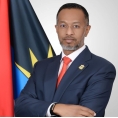
Dr Mohamed Kirat
By Dr Mohamed Kirat
Arab revolutions forced dictators out and brought new players in the political arena of Tunisia, Egypt, Libya and Yemen.To many, these changes were seen as a new era for press freedom in the region, and catalysts of new democratic journalistcs practices. For decades news organisations in these countries and other Arab countries have been controlled by the state. Despite the revolutions and the changes, the Middle East still suffers a huge deficit of press freedom. Unfortunately the fall of dictatorial regimes after the Arab Spring had not brought about any guanrantees for freedom of the press. To the contrary, the media sphere in Arab spring countries has been witnessing a worrying decline in press freedom.
A chaotic situation has been reigning in the region, where journalists are harrassed, jailed, tortured and even assassinated. The new political players in the Arab spring countries failed so far to bring about new ruling mechanisms to implement democracy and foster political participation and provide a legal and a regularoty system for a responsible and free press.
How is the the media scene in both Arab spring countries after the revolution? Are there any changes in terms of laws, regulations and practices? Are the new transitional governments willing to bring about changes in the media or are we witnessing the same old practices of dictatorial regimes: Press control, censorship, shutdowns of news organisations, journalists arrests and imprisonment. What are the problems, the opportunities and the challenges ahead for press freedom in the region? Will the collapse of the dictators open the doors for new journalism and new press freedom? Three years after the revolutions, things are not getting any better and in some cases they are getting worse. The new governments in Arab Spring countries have been harrassing news organisations and journalists and making their working conditions extremely difficult. According to Reporters without borders, last report on the state of freedom of the press in the world, Tunisia has lost four seats, from 134 to 138, while Egypt is ranked 158 out of 179 countries. This is due mainly to several factors among them the partisanship spirit of the news organisations which adopted a stand of “Us” versus “Them”, in other words, half of media organisations siding with the government in place, and the other half siding with the opposition and those who are trying to get rid of the new forces in power which failed to make any changes on the ground.
In all Arab spring countries changes in the media sphere are timid and very slow, and some times things are getting worse than before due to a lack of new media regulations and laws, lack of a strong civil society, lack of professionalism, weak journalist associations...etc. A strong will to get rid of the old journalistic practices from the polical actors is missing. Ennahda party in Tunisia for instance is curbing freedom of the press by claiming that journalists are putting the country’s political and social security and stability at risk. On the other hand , almost half of the news organizations are doing their best to mobilize the public to overthrow the new governments.
After the overthrow of demcratically elected president Mohamed Mursi, the news media in Egypt was divided into two distinct clans, the first one supporting Alssissi, the artichect of the overthrow of Mursi, the new anti Mursi anti-islamic political force in the country, and the second clan opposing categorically the new regime and calling for respecting the ballot box and reinstating Mursi as the president of the country. The two parties have behind them an armada of news media, thus dividing the country into two. The practice of journalism in Arab spring countries diverged from the principles of objectivity, fairness ,ethical and professional conduct. In Tunisia, those who used to serve Ben Ali in his corrupt administration remained in their influential positions and some of them were even called for key positions by the new team in power. In Egypt, the situation got worse mainly after the “coup d’etat” that ousted the democratically elected president Mohamed Mursi. This new situation in Egypt led the media to engage in a continous media campaign to support and side with one party at the expense of the second one, by all kinds of news stories, commentaries, analyses…etc. On the other hand, these same media use all the means they can to discredit the second party. As a result, the media practice is biased, unprofessional, partial, thus it becomes mostly pure manipulation, distortion and propaganda. Simply put, media in Egypt these days are classified to as pro-Alsissi and anti-Mursi, or pro-Mursi and anti-Alsissi. However, the government in place by technical means got rid of anti Mursi media and shut down several satellite TV channels that used to have a negative stance on the new power in place. This kind of media is not any better than that of what Egypt used to have under the 30 years of Hosni Mubarak regime. Nowadays, Egypt is experiencing one of the worst media censorship and control since its indepence.
One can observe a lack of investigative journalism, balanced coverage, fairness, responsible and ethical journalim conduct. This is no surprise since the Arab revolutions failed to establish democracy and suffered from a score of economic problems that the Ben Ali and Mubarak regimes left behind them. Arab revolutions while succeeding in overthrowing dictators have failed to a large extent to provide a democratic environment for the press to emerge into new mechanisms of investigative, responsible, and free journalism that fosters democracy, social justice and sustainable development.
Kirat is a professor of Public Relations and Mass Communication in the Department of Mass Communication, Qatar University.By Dr Mohamed Kirat
Arab revolutions forced dictators out and brought new players in the political arena of Tunisia, Egypt, Libya and Yemen.To many, these changes were seen as a new era for press freedom in the region, and catalysts of new democratic journalistcs practices. For decades news organisations in these countries and other Arab countries have been controlled by the state. Despite the revolutions and the changes, the Middle East still suffers a huge deficit of press freedom. Unfortunately the fall of dictatorial regimes after the Arab Spring had not brought about any guanrantees for freedom of the press. To the contrary, the media sphere in Arab spring countries has been witnessing a worrying decline in press freedom.
A chaotic situation has been reigning in the region, where journalists are harrassed, jailed, tortured and even assassinated. The new political players in the Arab spring countries failed so far to bring about new ruling mechanisms to implement democracy and foster political participation and provide a legal and a regularoty system for a responsible and free press.
How is the the media scene in both Arab spring countries after the revolution? Are there any changes in terms of laws, regulations and practices? Are the new transitional governments willing to bring about changes in the media or are we witnessing the same old practices of dictatorial regimes: Press control, censorship, shutdowns of news organisations, journalists arrests and imprisonment. What are the problems, the opportunities and the challenges ahead for press freedom in the region? Will the collapse of the dictators open the doors for new journalism and new press freedom? Three years after the revolutions, things are not getting any better and in some cases they are getting worse. The new governments in Arab Spring countries have been harrassing news organisations and journalists and making their working conditions extremely difficult. According to Reporters without borders, last report on the state of freedom of the press in the world, Tunisia has lost four seats, from 134 to 138, while Egypt is ranked 158 out of 179 countries. This is due mainly to several factors among them the partisanship spirit of the news organisations which adopted a stand of “Us” versus “Them”, in other words, half of media organisations siding with the government in place, and the other half siding with the opposition and those who are trying to get rid of the new forces in power which failed to make any changes on the ground.
In all Arab spring countries changes in the media sphere are timid and very slow, and some times things are getting worse than before due to a lack of new media regulations and laws, lack of a strong civil society, lack of professionalism, weak journalist associations...etc. A strong will to get rid of the old journalistic practices from the polical actors is missing. Ennahda party in Tunisia for instance is curbing freedom of the press by claiming that journalists are putting the country’s political and social security and stability at risk. On the other hand , almost half of the news organizations are doing their best to mobilize the public to overthrow the new governments.
After the overthrow of demcratically elected president Mohamed Mursi, the news media in Egypt was divided into two distinct clans, the first one supporting Alssissi, the artichect of the overthrow of Mursi, the new anti Mursi anti-islamic political force in the country, and the second clan opposing categorically the new regime and calling for respecting the ballot box and reinstating Mursi as the president of the country. The two parties have behind them an armada of news media, thus dividing the country into two. The practice of journalism in Arab spring countries diverged from the principles of objectivity, fairness ,ethical and professional conduct. In Tunisia, those who used to serve Ben Ali in his corrupt administration remained in their influential positions and some of them were even called for key positions by the new team in power. In Egypt, the situation got worse mainly after the “coup d’etat” that ousted the democratically elected president Mohamed Mursi. This new situation in Egypt led the media to engage in a continous media campaign to support and side with one party at the expense of the second one, by all kinds of news stories, commentaries, analyses…etc. On the other hand, these same media use all the means they can to discredit the second party. As a result, the media practice is biased, unprofessional, partial, thus it becomes mostly pure manipulation, distortion and propaganda. Simply put, media in Egypt these days are classified to as pro-Alsissi and anti-Mursi, or pro-Mursi and anti-Alsissi. However, the government in place by technical means got rid of anti Mursi media and shut down several satellite TV channels that used to have a negative stance on the new power in place. This kind of media is not any better than that of what Egypt used to have under the 30 years of Hosni Mubarak regime. Nowadays, Egypt is experiencing one of the worst media censorship and control since its indepence.
One can observe a lack of investigative journalism, balanced coverage, fairness, responsible and ethical journalim conduct. This is no surprise since the Arab revolutions failed to establish democracy and suffered from a score of economic problems that the Ben Ali and Mubarak regimes left behind them. Arab revolutions while succeeding in overthrowing dictators have failed to a large extent to provide a democratic environment for the press to emerge into new mechanisms of investigative, responsible, and free journalism that fosters democracy, social justice and sustainable development.
Kirat is a professor of Public Relations and Mass Communication in the Department of Mass Communication, Qatar University.