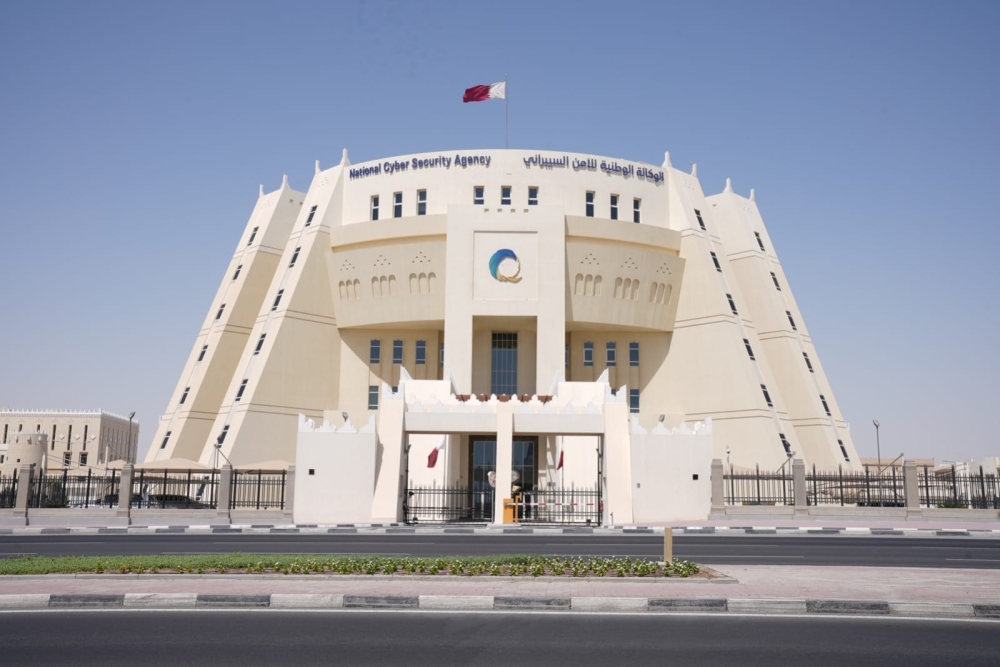
Doha, Qatar: Qatar’s National Cyber Security Agency (NCSA) has spotlighted data classification as a cornerstone of information privacy in an increasingly interconnected digital world.
In an awareness framework shared via its official channels, the regulatory body outlined a unified five-tier data classification policy to guide companies in efficiently managing and securing their digital assets.
The security framework details how local institutions should segment data based on sensitivity and target audience to reduce structural vulnerabilities and maintain robust compliance. By implementing these measures, NCSA aims to establish a safer digital ecosystem that protects both corporate entities and individual citizens from escalating global cyber threats.
The foundation of this national security framework begins with ‘Level C0,’ which governs public data. This tier covers all information that is openly available to everyone and is explicitly targeted at the general public.
While public data requires fewer restrictive access controls, properly identifying it prevents organisations from accidentally over-securing non-sensitive information, which maintains operational fluidity and transparency across public sectors.
Moving a step higher into operational privacy, ‘Level C1’ handles internal data. This specific level protects data intended exclusively for standard internal use. The designated target audience for Level C1 consists strictly of employees.
Labeling information under this category ensures that everyday internal emails, company memos, and baseline institutional records do not leak outside the perimeter of the workplace.
For more sensitive corporate information, the agency established ‘Level C2,’ which is defined as restricted data. It stated that this category applies to sensitive data that directly impacts an organisation’s operational plan if exposed or compromised.
Consequently, the target audience for Level C2 is strictly limited to specific groups defined by company regulations, ensuring that project plans and operational strategies are only handled by personnel with a legitimate business need.
Meanwhile, higher tiers are required for sensitive corporate ecosystem variables, as demonstrated by ‘Level C3,’ which stands for confidential data. The data posted by NCSA shows that this level specifically contains proprietary customer or corporate business data.
Additionally, the agency warns that unauthorised disclosure of this information could lead to severe legal repercussions and lasting reputational damage. Due to the high financial and legal stakes associated with this business segment, the target audience is strictly limited to restricted internal access.
The highest and most secure classification in the national framework is ‘Level C4,’ which represents top-secret data. This level protects highly confidential information of the utmost importance.
The target audience for this ultimate security tier is restricted entirely to the intended recipient only, allowing absolutely no unauthorised distribution.
By strictly adopting this structured policy, Qatari entities can accurately assess the risk value of their information assets and deploy the precise technical safeguards needed to defend the country’s digital infrastructure against sophisticated modern cyberattacks.