DOHA: Huge investments in major infrastructure projects and fast growing population will further spur Qatar’s non-hydrocarbon sector. In its latest research note on Qatari economy, the QNB Group said the non-hydrocarbon sector now accounts for over half of its GDP.
Citing Ministry of Development Planning and Statistics’ (MDPS) data, the QNB analysts said the non-hydrocarbon sector has pushed its share of GDP to over half (50.7 percent) in Q3, 2014 for the first time from 49 percent in Q2, 2014. Real GDP growth accelerated to 6 percent in the year to Q3, 2014 from 5.7 percent in the previous quarter.
“Rapid growth in the non-hydrocarbon sector averaged 11.9 percent in Q1, 2014 to Q3, 2014, even higher than our forecast of 11.2 percent for the full year. Non-hydrocarbon growth was spurred by large investments in major infrastructure projects and by the fast growing population. On the other hand, the hydrocarbon sector declined 2.8 percent year-on-year as a result of lower crude oil production and temporary gas production shutdowns for maintenance,” the analysts said.
The latest GDP figures confirm Qatar’s ongoing rapid process of economic diversification away from its traditional role as a hydrocarbon exporter towards a manufacturing and services hub. Major infrastructure projects, notably the new metro in Doha, major real estate projects such as Musheireb in the centre of old Doha and Lusail to the north, as well as new roads, highways and the further expansion of the new Hamad International Airport, resulted in a 18.5 percent year-on-year expansion in construction activity — the fastest growing sector.
In addition, transportation and communication increased by 10.5 percent year-on-year, predominantly owing to increased passenger flows through the new airport. Financial, real estate, and business services also grew robustly (13.7 percent year-on-year in Q3 2014) as banking intermediation accelerated and real estate services were boosted by the demand for housing for the growing population. Furthermore, trade, hotels and restaurants also grew strongly (13.7 percent y-o-y) on the back of the growing population, the seasonal Ramadan effect as well as increased tourist activity.
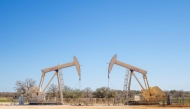
In contrast, the hydrocarbon sector contracted in the year to Q3 as a result of lower crude oil output and shutdowns for maintenance at gas facilities. A moratorium on new projects at Qatar’s largest gas field, the North Field, means that increases in gas production are likely to be limited.
The strong growth momentum achieved in Q3 continues to be in line with the country’s overall development plan outlined in the National Vision 2030 and the National Development Strategy 2011-16.
By investing heavily in major non-hydrocarbon projects the authorities are attracting a new wave of expatriate workers to Qatar. Indeed, population continued its near double-digit growth (9.7 percent y-o-y) in November 2014, driven by the large ramp up in infrastructure spending. Accordingly, small and medium-sized enterprises, such as hotels, education, medical services, retail and restaurants are expected to flourish in order to cater to the growth of the population. As such, this increased level of population growth should boost aggregate domestic consumption and add to non-hydrocarbon GDP growth going forward.
The Peninsula