
BY MOHAMMAD SHOEB
DOHA: The trade between Qatar and Brazil has witnessed a double-digit growth with the value of bilateral trade (main items) crossing over a billion dollar (about QR3.65bn) in 2014 compared to the estimated value of $915m (QR3.33bn) in 2013, said a senior official of the Arab-Brazilian Chamber of Commerce (ABCC).
The main products exported from Qatar to Brazil included fertilizers, mineral fuel and oil, plastics, sulphur, and organic chemicals. The exported value of those products stood at $664.3m (QR2.42bn) in 2014, increasing 14.3 per cent from 2013.
On the other hand, Brazil’s exports to Qatar included goods such as meat, inorganic chemicals, ores, slag and ash, defense materials, and preparations of meat, fish, crustaceans and molluscs. The exported value of those products reached $369.5m (about QR1.35bn) in 2014, an increase of 10.6 per cent in comparison to 2013.
Brazil exports to Qatar during the first six month of 2015 grew significantly at 28.89 percent to $195m (QR710m) from $152m (QR553.5m) during the same period last year.
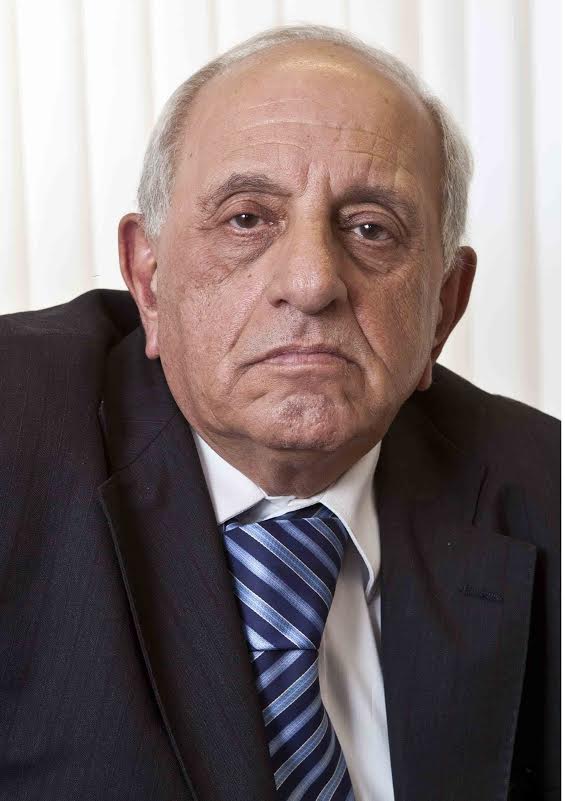
“This upward trajectory demonstrates steady bilateral relations between the two countries that will continue to create more mutually beneficial opportunities across various fields in the future,” said Dr Michel Alaby (pictured), Secretary General and CEO of ABCC.
Alaby in an interview to this newspaper said that total value of exports from the Arab world to Brazil reached $11.4bn in 2014 and the key exported products included plastic, aluminum, organic chemicals, mineral fuel and oil, and fertilizers.
Whereas the value of exports from Brazil to the Arab nations touched $13.4bn during the same year, with ‘aircraft and spacecraft’ emerging as the most sought after Brazilian products.
He noted that items under the ‘aircraft and spacecraft’ category recorded a significant increase of 7.23 percent from $3m in 2013 to $227m in 2014.
Commenting about the scope of enhancing cooperation in the agricultural and allied sectors, he said: “The Qatar-Brazil trade balance is not based on agricultural products. Nevertheless, up to 40 percent of it can be related with cattle rising, poultry and its derivatives, which can be expanded further. Nearly 30 percent is associated with ores, slags and other, while the rest of the 30 per cent comprise chemical products.”
However, he said that given the impressive results of ABCC studies over the years and upon examining the current market trends, the trade between the two countries will continue to exceed expectations in 2016.
“In line with the projects related to 2022 FIFA World Cup, the country is undergoing great improvements in all economic sectors. We at ABCC believe that Qatar and other Arab countries are key trade partners for Brazil and are always looking out for opportunities to enhance the level of trade as we believe that the Middle East market holds great potential.”
He also noted that various mega developmental projects, especially those related to the mega-event, have made a great impact on the trade relation between Brazil and Qatar and will further help in the growth of tourism as more Brazilians plan to visit Qatar, especially to watch the football matches and support their national team.
On the opportunities of bilateral cooperation and investments, he said that Qatar and Brazil have already expressed interest in developing a bilateral agreement to facilitate direct investments in both the countries.
The Peninsula