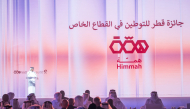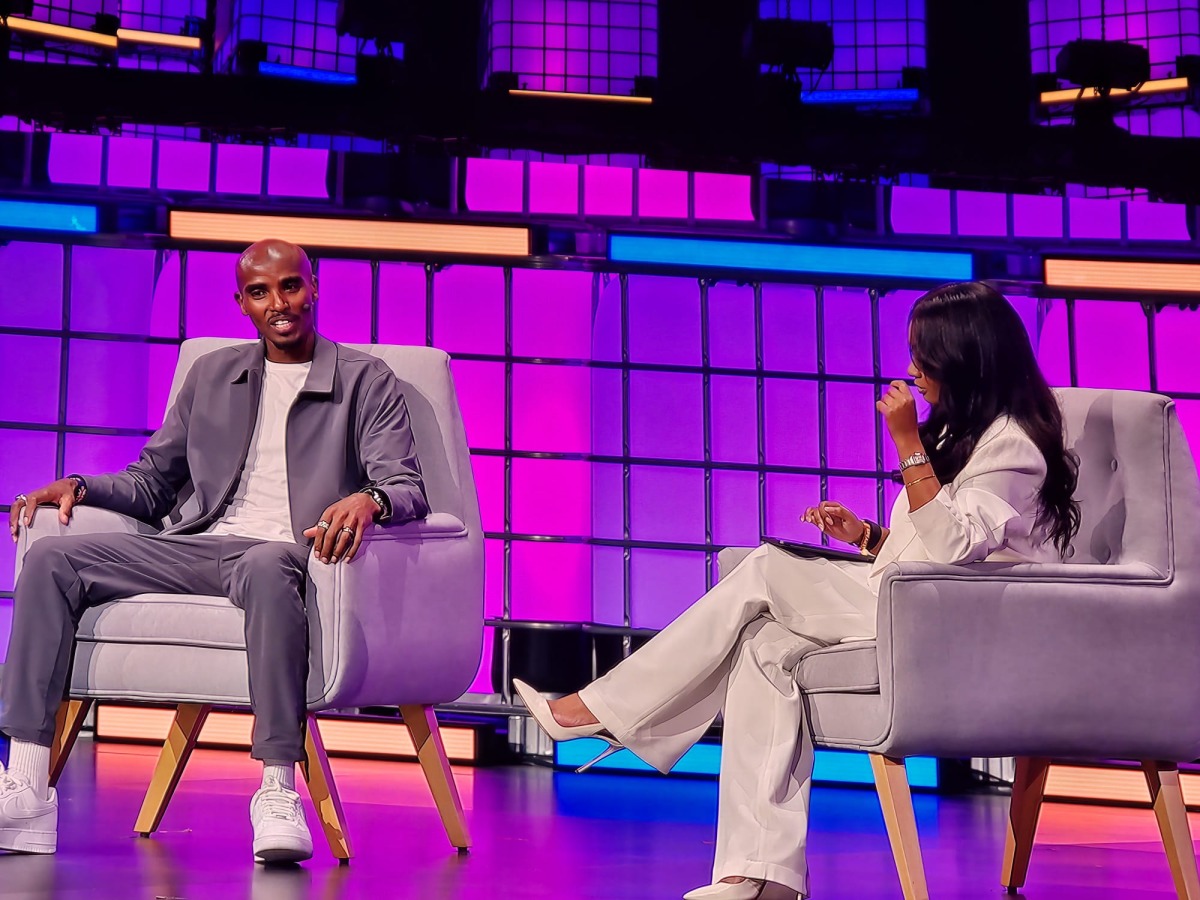
British athletics legend Sir Mo Farah with Al Jazeera’s Samantha Johnson during a session at the Web Summit Qatar 2026.
Doha: British athletics legend Sir Mo Farah, now a resident of Qatar, took centre stage for the closing session at Web Summit Qatar 2026 to discuss his transition from Olympic champion to entrepreneur, emphasising the powerful intersection of sports and business innovation.
In an engaging discussion session with Al Jazeera’s Samantha Johnson, Farah praised the event as a vital platform for blending athletic discipline with technological advancement, particularly in promoting wellness and fitness in the region.
Farah, who has called Doha home for a year, expressed enthusiasm for Qatar’s growing role as a global hub for sports and technology. “It’s nice to be here in Doha, Qatar,” he said, noting how the city’s facilities and safety impressed his family during the 2022 World Cup, prompting their move.
He highlighted the “huge running community” in Doha, aligning it with Web Summit’s focus on innovation. Farah views the summit as an ideal venue to advocate for physical activity amid technological distractions, stating, “Particularly with the younger generation now, it’s so hard with AI technology. So more kids just want to be on their phones.”
Central to Farah’s message was the nexus between sports and entrepreneurship. Retiring after a storied career with four Olympic golds and weekly 120-mile training regimens, he described his pivot as a natural extension of athletic principles. “I’ve always had a goal,” he explained, “and in life, if you don’t have a goal, it’s hard to be motivated.” This discipline now fuels his ventures, including the AI-powered YouRun app, which draws from his championship experience to provide personalised training programmes. “The running app is really what I’ve learned along my career, what it takes to be a champion,” Farah said.
Farah’s “Run with Mo” platform exemplifies this fusion, where he runs with celebrities to share personal stories, humanising fame while promoting fitness. Interviews with idols like Arsene Wenger and Thierry Henry revealed shared struggles, reinforcing mental health discussions. “Collaboration is so important to all of us, whether you’re in tech, whether you’re in business, sports,” he noted, praising partnerships with the Olympics, IOC, Arsenal, and PSG. At Web Summit, Farah positioned these efforts as a bridge between athletic achievement and entrepreneurial impact, urging governments to enhance physical education to combat health issues like those straining the UK’s NHS.
He lauded Qatar’s infrastructure for enabling such initiatives. “This place is incredible. The facilities, the stuff that’s out there, it’s amazing,” Farah said, expressing desire to give back to Doha’s youth through sports-tech projects. His legacy, he insisted, extends beyond medals: “I want to be remembered as someone who always gives back, to change the attitude in sports and get more people active.”
He challenged non-runners to start small, 1km, building to marathons, mirroring entrepreneurial gradualism. “If we break it down... you will be able to run a marathon and enjoy it because you’re prepared,” he advised.
In a nod to mental health, Farah shared his protective strategies: exercise, open communication, and supportive check-ins. “It’s okay for someone to tell you it’s okay,” he said, creating a safe space at the summit for such dialogues.
Farah’s family-centric life in Doha complements his entrepreneurial drive. With four children now active in local sports, he prioritises presence post-retirement. “Now I’m not away as much. Dad’s actually here,” he reflected.
Farah’s insights highlight Qatar’s emergence as a leader in sports-tech integration, inspiring attendees to blend passion with purpose.