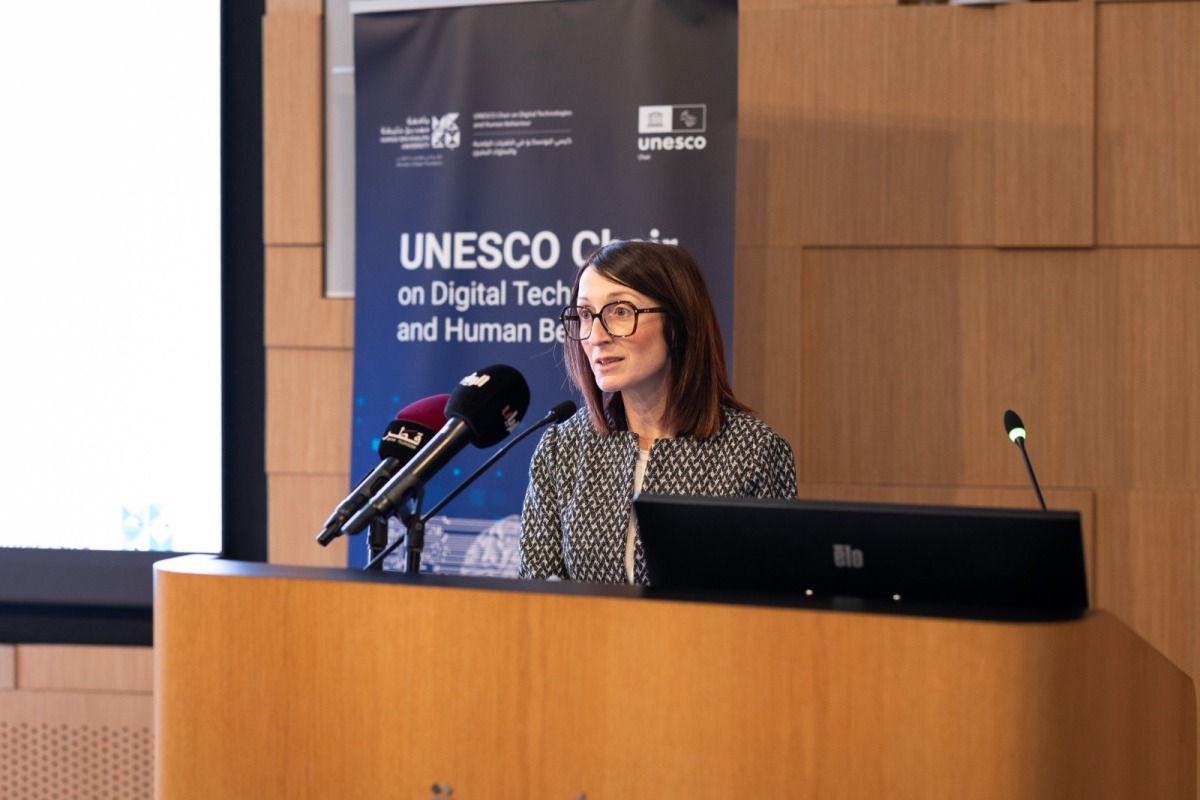
Doha, Qatar: Hamad Bin Khalifa University (HBKU) has launched the UNESCO Chair in Digital Technologies and Human Behavior, solidifying the University's position at the forefront of global social innovation.
Situated within the College of Science and Engineering (CSE), the new Chair will explore the intersection between digital technologies and human behavior, promoting digital well-being, ethical use of technology, and positive societal transformation. It will focus on addressing challenges such as internet addiction, cyberbullying, and misinformation through impact-driven research and active engagement to support healthier digital ecosystems.
The Chair strengthens HBKU's role as a convening platform for global dialogue on the societal implications of adopting emerging technologies and rapid digital transformation, building on the University's demonstrated commitment to the ethical use of technology, including its hosting of the 'AI Ethics: The Convergence of Technology and Diverse Moral Traditions' conference. By linking scientific research with behavioral insights and policy-oriented outcomes, the UNESCO Chair further positions HBKU as a catalyst for impact and a trusted partner for international organisations, governments, and academic institutions shaping the future of digital societies.
The launch event, held at Education City's Minaretein, marks a significant commitment to the United Nations' Sustainable Development Goals, particularly education, decent work, inclusive institutions, and reduced inequalities. By bringing together academics, researchers and policymakers, the event translated global development priorities into concrete discussions on how digital technologies can be designed and managed, ensuring they promote human dignity, social cohesion and development.
Commenting on the launch, Professor of CSE, and UNESCO Chairholder, Dr. Raian Ali, stated: "Digital technologies, especially social media, AI, and mobile computing, are at the forefront of contemporary behavioral change. These tools influence how we communicate with the world and each other, redefining interactions, personal identity, and even our mental health.
Through the Chair's activities, HBKU affirms our commitment to harnessing the power of partnerships and evidence-based research to shape policies and advance solutions that address and mitigate the negative impact of emerging technologies."
Director of the UNESCO Regional Office for the Gulf States and Yemen, Salah Khaled, added, ''It is a great pleasure to mark the official launch of the UNESCO Chair on Digital Technologies and Human Behavior at HBKU, a timely milestone as societies worldwide confront the social, ethical and human consequences of rapid digital transformation.
UNESCO Chairs act as bridges between knowledge and policy, translating cutting-edge research into practical guidance for governments, institutions and communities, while fostering international cooperation. In this sense, the Chair positions HBKU as a trusted partner in shaping ethical, evidence-based responses to some of the most pressing societal challenges of our time".
Following opening remarks, Dr. Ali set the stage for an engaging gathering through his talk 'AI, Human Attitudes, and Behaviour: Shaping an Emerging Field.' An expert panel discussion 'From Support to Dependency: Better AI Well-being, Less AI Addiction' explored key questions on how recent advances in AI, particularly GenAI, may be improving our well-being while at the same time increasing dependency. Speakers emphasised transitioning from passive, excessive consumption of AI to intentional, agentic, and balanced use.